

Views: 0 Author: Site Editor Publish Time: 2025-10-01 Origin: Site


Solar water heaters are an eco-friendly solution, but do they work in winter? Many people question their performance when temperatures drop and sunlight fades.
The answer is yes, but with some caveats. In this article, we will explore how a solar hot water heater functions in winter, the challenges it faces, and how to ensure it operates efficiently throughout the colder months.
Solar water heaters work by capturing the sun’s energy using special collectors. These collectors absorb sunlight, convert it into heat, and then transfer this heat to water. The heated water is stored in a tank for later use. Solar collectors come in various types, such as:
Flat Plate Collectors | These are the most common, with a large surface area to absorb sunlight. They are suitable for moderate climates. |
Evacuated Tube Collectors | These are more efficient in colder climates, especially during winter, as they have a vacuum insulation that prevents heat loss. |
The system works year-round, but winter presents unique challenges.
A common misconception is that solar heaters need warmth to work. In reality, they need sunlight, not warmth. Even in winter, solar heaters can function effectively as long as there is sunlight, which can penetrate through clouds and still provide energy to the system.
The key to winter performance lies in the amount of sunlight and the quality of insulation. Solar energy, although weaker during winter months, is still sufficient to heat water when the system is designed to absorb and store the heat efficiently.
During the winter months, daylight hours are shorter. In many northern regions, the sun sets early, and the lower angle of the sun weakens the intensity of the sunlight. This reduction in sunlight can affect the overall performance of a solar water heater.
While the system will still collect some solar energy, the reduced exposure means it might not generate enough hot water during cloudy or overcast days. For homeowners in these regions, a solar water heater may need to rely more on backup heating systems to ensure there is sufficient hot water.
In winter, the sun’s path across the sky is lower compared to summer. This low solar angle results in less efficient heat collection. The sunlight that reaches the solar collectors has to travel through more of the Earth’s atmosphere, which reduces its energy potential.
For solar heaters, this means that collectors may receive weaker sunlight, especially in regions farther from the equator. Adjusting the collector's tilt can help optimize performance during winter.
One of the biggest challenges during winter is the risk of freezing. Water in the system can freeze, expand, and damage pipes or collectors. This is particularly problematic in systems that are not designed for cold weather. Flat plate and batch collectors are particularly susceptible to freezing, while evacuated tube collectors are better equipped to handle sub-zero temperatures if properly maintained.
Evacuated tube collectors are the most reliable solar hot water systems for cold climates. These collectors consist of glass tubes with a vacuum between them that minimizes heat loss. The system is highly efficient, even in sub-zero temperatures, making it ideal for winter use.
Antifreeze solutions can be used in evacuated tube systems to prevent freezing. This ensures the system continues to work even in extreme cold. However, it is essential to perform regular maintenance to keep the antifreeze levels topped up.
Flat plate collectors, while cost-effective, face more challenges in winter due to the risk of freezing. In cold regions, the water in the pipes may freeze overnight, leading to burst pipes and system failure. To protect flat plate systems:
Use PEX tubing, which can expand and contract with temperature changes, reducing the risk of bursting.
Insulate the system during winter, especially the pipes and connections.
Drain the system when it’s not in use to prevent water from freezing.
Batch collectors have some inherent resilience to winter conditions. They are usually safe in regions that experience mild freezes. However, like flat plate collectors, batch collectors are vulnerable to freezing at the fittings and pipes connected to them.
To minimize risks:
Insulate the entire system, including the collector and connecting pipes.
Drain the system if you live in an area with prolonged freezing conditions.
To protect your solar water heater from freezing, the following winterization techniques can be applied:
Drain the system completely during periods of non-use.
Insulate exposed pipes with foam or Reflectix to prevent heat loss.
Cover collectors with blankets or insulation sheets during cold nights.
In colder climates, antifreeze solutions are a must for protecting your system from freezing. These solutions circulate through the pipes and prevent the water in the system from freezing, even when temperatures drop below freezing.
Active closed-loop systems and drainback systems can be equipped with antifreeze to ensure reliable performance throughout winter.
Using Reflectix or other high-quality insulating materials can help retain heat and protect the system from the harsh winter cold. Wrapping collectors and exposed pipes during the night and uncovering them during the day ensures that the system continues to absorb sunlight effectively.
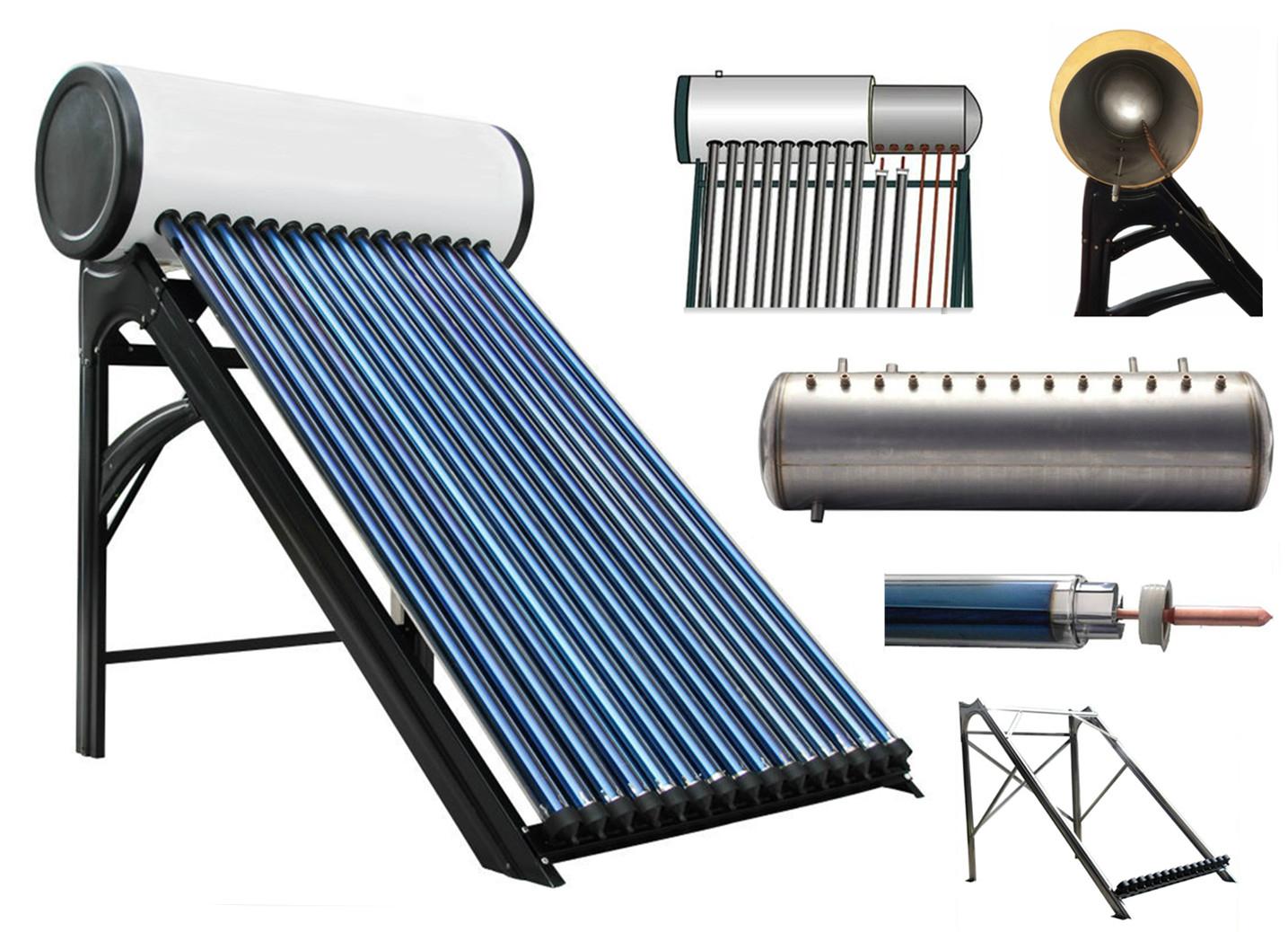
In winter, positioning your solar collectors correctly is crucial. Ensure they are tilted to maximize exposure to the sun, which is lower in the sky during the winter months.
Adjust tilt angles to match the sun’s path.
Ensure unobstructed sunlight, avoiding shadows from nearby trees or buildings.
To ensure optimal performance during winter, regular maintenance is essential.
Clean solar collectors from debris, snow, and dirt to ensure they can capture as much sunlight as possible.
Check for leaks in the system, as water can freeze and cause pipe damage.
Inspect the antifreeze solution levels to prevent freezing.
Although solar water heaters can operate in winter, they may not always provide enough hot water during cloudy days or long, dark winters.
Backup systems (electric or gas) are often installed to ensure there is always a reliable source of hot water when solar energy is insufficient. This hybrid solution guarantees continuous performance.
Solar water heaters are cost-effective, especially in winter. They can reduce energy bills by 50-80%, depending on location and system efficiency. Even though they may require a backup system during winter, the savings from using solar energy can outweigh the additional costs.
Solar water heaters can function efficiently in winter, depending on system type, climate, and maintenance. With proper protection, such as insulation, antifreeze, and backup systems, these heaters provide hot water during colder months. By ensuring optimal installation and regular upkeep, homeowners can enjoy reliable, cost-effective hot water year-round.
SOLARAVEN offers high-quality solar water heaters that deliver exceptional value with their advanced features, ensuring consistent performance even in challenging winter conditions.
A: Yes, a solar hot water heater can work in cold weather, but its performance depends on factors like system type, climate, and maintenance.
A: Solar water heaters still collect solar energy in winter, but their efficiency may decrease due to shorter days and weaker sunlight.
A: Evacuated tube collectors are the best for winter as they are more efficient in cold temperatures and can handle sub-zero conditions with proper antifreeze solutions.
A: Use insulation, antifreeze solutions, and drain the system during non-use periods to protect your solar water heater from freezing.


