

Views: 0 Author: Site Editor Publish Time: 2025-11-06 Origin: Site


A heat pump water heater (HPWH) is an innovative and energy-efficient solution for heating water, utilizing a unique process that transfers heat from the surrounding air instead of generating it directly. By operating similarly to a refrigerator in reverse, HPWHs efficiently extract heat and deliver it to a storage tank, providing hot water on demand. This technology not only reduces energy consumption but also minimizes greenhouse gas emissions, making it a sustainable choice for modern households. In this article, we will explore the fundamental principles behind how heat pump water heaters work, their components, and the benefits they offer compared to traditional water heating methods.
Heat pump water heaters (HPWHs) work by moving heat rather than generating it directly. Think of them as refrigerators running in reverse. Instead of pulling heat out of a box and releasing it outside, HPWHs pull heat from the surrounding air and transfer it to water in a tank.
Here’s how it happens step-by-step:
● A fan draws warm air over a coil filled with a refrigerant.
● The refrigerant absorbs heat from the air and turns into a warm vapor.
● This vapor is compressed, raising its temperature even more.
● The hot refrigerant passes through coils wrapped around the water tank, transferring heat to the water.
● As the refrigerant cools down, it condenses back into a liquid and the cycle repeats.
If the heat pump alone can't keep up during high demand or cold conditions, an electric resistance element kicks in as a backup to heat the water.
This method is energy-efficient because it uses electricity mainly to move heat, not create it from scratch.
Traditional electric water heaters use electric resistance elements to generate heat directly in the water tank. Gas water heaters burn fuel to heat water. Both methods consume more energy compared to HPWHs.
Here’s a quick comparison:
Feature | Heat Pump Water Heater | Traditional Electric Water Heater | Gas Water Heater |
How heat is produced | Moves heat from air to water | Generates heat via electric elements | Burns gas to heat water |
Energy efficiency (UEF) | Up to 4.0 (very efficient) | Around 0.6 to 0.95 (less efficient) | Varies, generally lower than HPWHs |
Operating cost | Lower due to less energy use | Higher due to direct heating | Variable, depends on gas prices |
Environmental impact | Lower carbon footprint | Higher electricity consumption | Emits CO2 from burning gas |
Installation requirements | Needs space with warm air and drainage | Simple replacement of existing tank | Requires gas line and venting |
HPWHs not only save energy but also reduce greenhouse gas emissions, making them an eco-friendly choice.
When upgrading water heaters, consider the heat pump’s need for warm, ventilated space to maximize efficiency and lifespan.
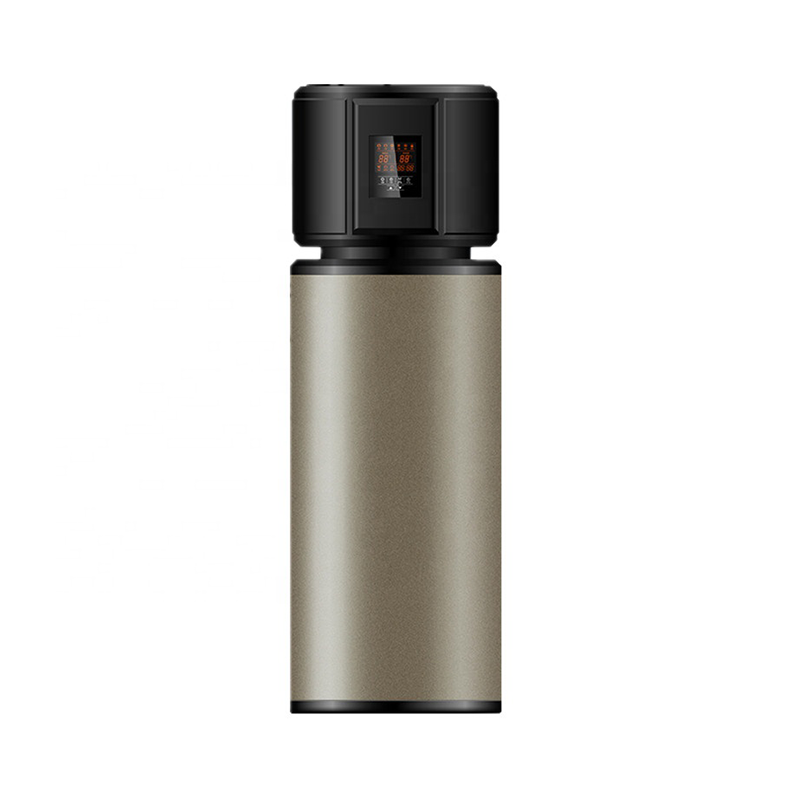
At the heart of a heat pump water heater lies the heat pump mechanism, which operates like a refrigerator running backward. Instead of cooling an interior space by removing heat, it pulls heat from the surrounding air and moves it into the water tank.
Here’s how it works in more detail:
● Air Intake: A fan draws warm air from the room or surrounding environment across an evaporator coil.
● Heat Absorption: Inside the coil, a refrigerant absorbs heat from the air, causing it to evaporate into a warm vapor.
● Compression: This vapor is compressed by a compressor, which raises its temperature significantly.
● Heat Transfer: The hot refrigerant passes through condenser coils wrapped around the water tank, transferring heat to the water.
● Refrigerant Cycle: After releasing its heat, the refrigerant cools and condenses back into a liquid, ready to repeat the cycle.
This process efficiently moves heat instead of generating it directly, saving energy and lowering operational costs. The heat pump mechanism also helps dehumidify the surrounding air, which can be a bonus in damp spaces like basements.
The other main component is the insulated storage tank, which holds the hot water until you need it. Key features of this tank include:
● High-Quality Insulation: The tank is wrapped in thick insulation to reduce heat loss, keeping water hot longer and improving energy efficiency.
● Capacity Options: Tanks come in various sizes, typically 50, 65, or 80 gallons, to suit different household needs.
● Durable Materials: Most tanks use corrosion-resistant materials or coatings to extend their lifespan.
● Backup Heating Element: Many tanks include an electric resistance heating element that activates during high hot water demand or when ambient air is too cold for the heat pump to work efficiently.
Together, the heat pump mechanism and insulated storage tank form a system that heats water efficiently, saves energy, and provides reliable hot water on demand.
Ensure the heat pump water heater is installed in a space with sufficient warm air and proper drainage to maximize the heat pump mechanism’s efficiency and prevent condensate buildup.
Heat pump water heaters start by pulling heat from the surrounding air. A fan draws warm air over an evaporator coil filled with a cold refrigerant. This refrigerant absorbs heat from the air, causing it to evaporate into a warm vapor. Even if the air feels cool, it still contains heat energy that the refrigerant can capture. This process is efficient because it moves existing heat instead of creating it from scratch.
Once the refrigerant becomes a warm vapor, a compressor squeezes it, raising its temperature further. The hot refrigerant then flows through coils wrapped around the water tank. Heat transfers from the refrigerant to the water inside the tank, warming it up. As the refrigerant cools, it turns back into a liquid and cycles back to absorb more heat from the air. This cycle repeats continuously to keep the water hot. The insulated tank helps store the heat, minimizing heat loss.
Sometimes, the heat pump can’t meet the household’s hot water demand alone. This happens during very cold weather or when many people use hot water simultaneously. In these cases, electric resistance heating elements inside the tank activate automatically. These elements generate heat directly to boost the water temperature quickly. Though less energy efficient, this backup ensures you always have hot water when you need it.
Position heat pump water heaters in spaces with warm, ventilated air to maximize heat extraction and reduce reliance on backup electric heating.
The Uniform Energy Factor (UEF) measures how efficiently a water heater converts energy into hot water. It considers the energy used during heating and standby losses when the water sits idle. The higher the UEF, the better the efficiency.
Heat pump water heaters typically have UEF values up to 4.0. This means they use energy very efficiently, often producing up to four times the hot water per unit of energy compared to traditional models. In contrast, conventional electric water heaters usually have UEFs between 0.6 and 0.95. This stark difference highlights how much energy HPWHs can save.
The UEF metric helps consumers and businesses compare models fairly, ensuring they choose equipment that reduces energy consumption and costs.
Heat pump water heaters outperform conventional electric and gas water heaters in energy efficiency and operating costs.
● Energy Use: HPWHs move heat from the air rather than generate it, requiring less electricity. Traditional electric heaters generate heat directly, consuming more power.
● Operating Cost: Because of their high efficiency, HPWHs lower monthly energy bills. Though initial costs can be higher, savings on electricity often recover this over time.
● Environmental Impact: HPWHs cut greenhouse gas emissions by using less electricity and avoiding combustion. Gas heaters emit CO2 from burning fuel, adding to carbon footprints.
● Performance: HPWHs work best in warmer spaces. In cold environments, backup electric heating may activate, slightly reducing efficiency but maintaining hot water supply.
Overall, HPWHs offer a sustainable, cost-effective alternative to conventional water heaters, especially in moderate climates.
Heat pump water heaters contribute significantly to reducing environmental harm. By using ambient heat and less electricity, they lower carbon emissions associated with heating water.
● Reduced Energy Consumption: HPWHs consume about 50-60% less electricity than standard electric heaters.
● Lower Greenhouse Gas Emissions: Less energy use means fewer emissions from power plants, especially if the electricity comes from fossil fuels.
● Dehumidification Benefit: As a bonus, HPWHs remove moisture from the surrounding air, improving indoor air quality and reducing mold risk.
● Support for Renewable Energy: HPWHs pair well with solar panels and other renewables, maximizing green energy use.
Switching to a heat pump water heater aligns with sustainability goals and can help businesses meet energy efficiency standards and regulations.
When selecting a heat pump water heater, prioritize models with a high Uniform Energy Factor (UEF) to maximize energy savings and environmental benefits over the unit’s lifespan.
Heat pump water heaters (HPWHs) come with multiple operating modes to optimize energy use and meet various household needs. These modes allow users to balance efficiency, hot water availability, and energy costs depending on daily usage or special circumstances.
This mode focuses on maximizing energy savings. The heat pump runs exclusively to heat water, avoiding the use of electric resistance elements. Because the heat pump moves heat from the air instead of generating it, this mode uses the least electricity. It’s ideal for households with steady, moderate hot water demand and warmer ambient temperatures. However, heating may take longer during high demand or cold conditions since backup heating is disabled.
Auto or hybrid mode is the default setting on many HPWHs and balances efficiency with performance. The heat pump heats water primarily, but the electric resistance element activates automatically if demand spikes or the heat pump can’t keep up. This mode ensures a steady supply of hot water while still saving energy most of the time. It’s best for typical daily use where hot water needs can fluctuate.
In this mode, the water heater uses only the electric resistance elements to heat water. It’s the least energy-efficient option because it generates heat directly. This mode is useful during very cold weather when the heat pump struggles or when rapid heating is required. It also serves as a manual override for maintenance or troubleshooting.
Some HPWH models include vacation or timer modes to save energy when hot water use is low or absent. Vacation mode puts the unit into a low-power “sleep” state, maintaining water temperature at a minimum level to prevent freezing or bacteria growth while reducing energy consumption. Timer mode lets users schedule heating cycles to match their routines, avoiding unnecessary heating during periods of no use.
For businesses, selecting the right operating mode can significantly reduce energy costs; use Auto/Hybrid mode for balanced performance and switch to Efficiency mode during low-demand periods to maximize savings.
Installing a heat pump water heater (HPWH) needs more planning than a traditional water heater. It requires a space that provides warm air year-round, ideally between 40°F and 90°F, to operate efficiently. Common locations include basements, garages, or utility rooms with good ventilation.
Key installation points include:
● Adequate Space: HPWHs are taller and need more clearance above than standard tanks. Ensure at least 12 to 24 inches of vertical space above the unit for airflow and maintenance.
● Ventilation: The unit pulls heat from the air, so the surrounding air must replenish. A poorly ventilated space limits efficiency and can cause the unit to overwork.
● Drainage for Condensate: HPWHs generate condensate as they extract heat. A floor drain or condensate pump is necessary to manage this water safely.
● Electrical Requirements: Most HPWHs run on standard 240V circuits. If replacing an electric water heater, the existing electrical setup often suffices. However, if switching from gas or a smaller electric panel, an upgrade may be needed.
● Access for Maintenance: Install the unit where technicians can easily access components like filters, fans, and backup elements for servicing.
Proper installation ensures the unit runs efficiently, lasts longer, and avoids costly repairs.
Maintaining a heat pump water heater is straightforward but essential to keep it running efficiently and extend its lifespan. Here are key tips:
● Clean or Replace Air Filters: HPWHs have air filters to keep dust and debris from clogging the heat pump. Check these every 3 to 6 months and clean or replace as needed.
● Inspect Condensate Drain: Ensure the condensate drain or pump is clear and functioning to prevent water buildup or leaks.
● Check the Anode Rod: Like traditional tanks, HPWHs have an anode rod to prevent corrosion. Inspect it annually and replace if heavily corroded.
● Flush the Tank: Sediment can build up inside the tank over time, reducing efficiency and damaging components. Flush the tank yearly to remove sediment.
● Monitor Performance: Keep an eye on water temperature and heating times. If water isn’t as hot or takes longer to heat, it may indicate a problem needing professional service.
● Keep Surrounding Area Clear: Avoid storing items close to the unit, which can block airflow or cause damage.
Regular maintenance reduces energy costs and prevents unexpected breakdowns.
Heat pump water heaters are reliable but can face some common issues. Understanding these helps diagnose problems quickly:
● Insufficient Hot Water: May result from incorrect thermostat settings, excessive demand, or heat pump malfunction. Solution: Adjust settings, reduce simultaneous hot water use, or call a technician.
● Unit Runs Constantly: Could indicate poor ventilation or a dirty air filter restricting airflow. Solution: Clean filters and improve room ventilation.
● Excessive Condensate Leakage: Often caused by blocked or damaged condensate drains. Solution: Clear drains or repair pumps.
● Strange Noises: Fans or compressors may make noise if dirty or worn. Solution: Clean components or schedule professional inspection.
● Backup Heater Running Too Often: May signal that the heat pump isn’t absorbing enough heat due to cold ambient air or faulty parts. Solution: Check installation location or service the heat pump.
Addressing issues early prevents costly repairs and keeps your system efficient.
Schedule annual professional maintenance for your heat pump water heater to ensure optimal performance and prolong its lifespan.
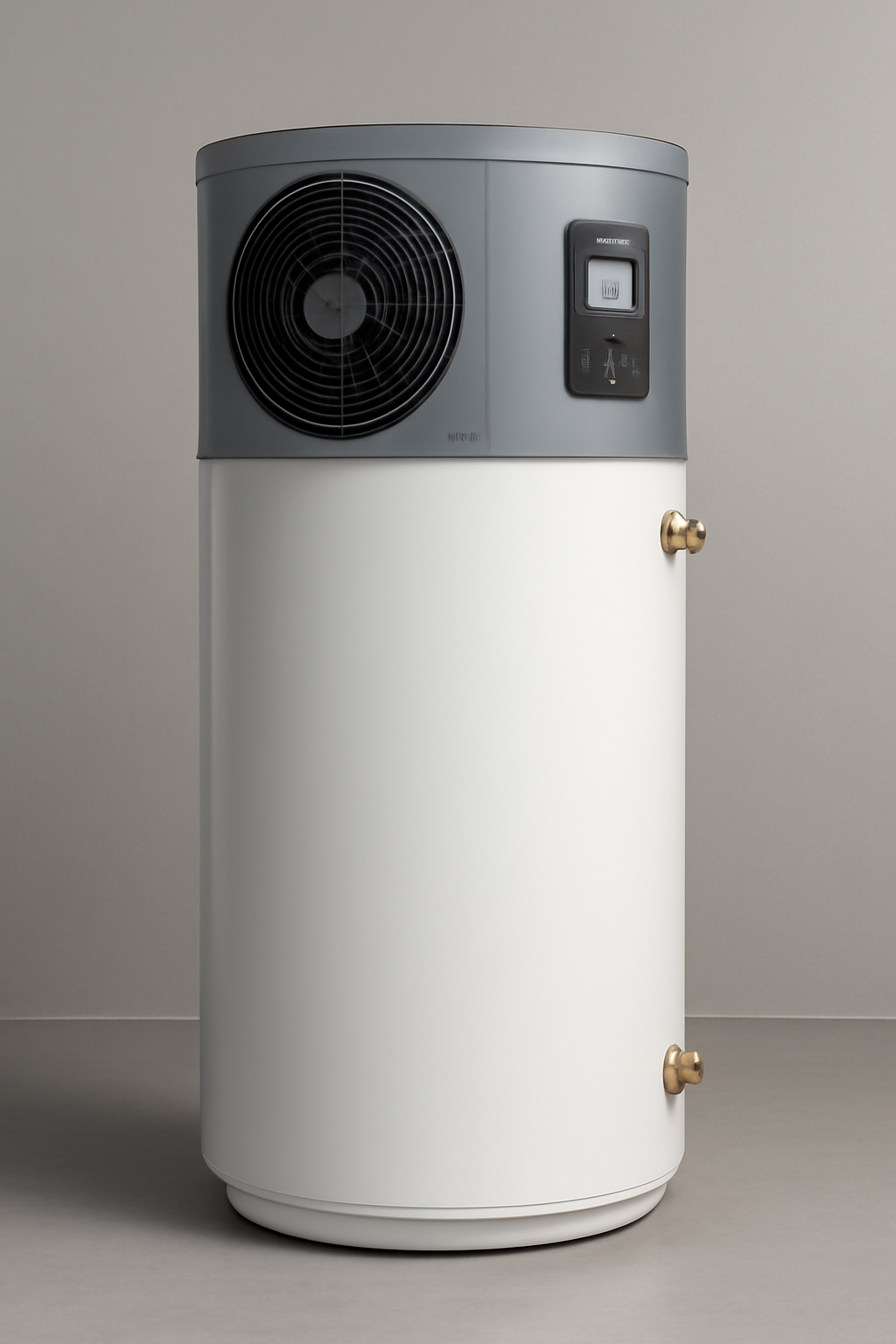
Selecting the right heat pump water heater (HPWH) involves several key factors to ensure it meets your needs efficiently and cost-effectively:
● Household Size and Hot Water Demand: Larger families or businesses require bigger tanks or models with faster recovery rates. Consider daily hot water use to avoid shortages.
● Available Space: HPWHs need sufficient room for airflow around the unit. Ensure installation space offers at least 12 to 24 inches of clearance above and around the heater for ventilation and maintenance.
● Climate and Ambient Temperature: Since HPWHs extract heat from surrounding air, warmer spaces improve efficiency. In colder locations, models with reliable backup heating or hybrid modes are advisable.
● Electrical Capacity: Confirm your electrical panel can support the HPWH’s power needs, especially if switching from gas or low-capacity electric systems.
● Efficiency Ratings: Look for models with high Uniform Energy Factor (UEF) values, ideally above 3.2, to maximize energy savings.
● Noise Levels: Some units produce more noise due to fans and compressors. Choose quieter models if the heater is near living or workspaces.
● Warranty and Support: Longer warranties and strong manufacturer support provide peace of mind and protect your investment.
Heat pump water heaters come in various sizes and styles to fit different applications:
● Tank Sizes: Common capacities include 50, 65, and 80 gallons. Larger tanks suit bigger households or commercial use, while smaller tanks fit apartments or smaller families.
● Integrated vs. Split Systems: Most HPWHs have integrated heat pumps and tanks in one unit. Split systems separate the heat pump from the tank, offering flexible installation and quieter operation.
● Hybrid Models: These combine heat pump technology with electric resistance backup heating, automatically switching modes based on demand and ambient conditions.
● Commercial Models: Designed for higher capacity and durability, commercial HPWHs support businesses with larger hot water needs.
● Smart Features: Some models include Wi-Fi connectivity, allowing remote monitoring and control for optimized energy use.
Many regions offer financial incentives to encourage HPWH adoption due to their energy-saving benefits:
● Utility Rebates: Local electric utilities often provide rebates for purchasing ENERGY STAR certified HPWHs with UEF above a certain threshold (e.g., 3.2 or higher).
● Government Incentives: Federal, state, or provincial programs may offer tax credits or grants for installing energy-efficient water heaters.
● Energy Efficiency Programs: Programs like Mass Save or the Northwest Energy Efficiency Alliance (NEEA) provide rebates and technical support for HPWHs.
● Manufacturer Promotions: Some manufacturers run seasonal promotions or discounts on select models.
● Loan Programs: Low-interest financing options may be available to help spread installation costs over time.
Check eligibility and application procedures before purchasing. Combining rebates with energy savings often shortens payback periods and increases return on investment.
When choosing a heat pump water heater, prioritize ENERGY STAR certified models with high UEF ratings and verify available rebates to reduce upfront costs and maximize long-term savings.
Heat pump water heaters work by transferring heat from the air to water, offering energy efficiency and reduced emissions. They outperform traditional heaters in energy savings, operational costs, and environmental impact. With advancements in technology, these heaters are becoming a preferred choice for eco-conscious consumers. Companies like Changzhou Raven New Energy Technology Co.,Ltd. provide innovative solutions, ensuring reliable hot water supply while promoting sustainability. Their products offer significant value through energy efficiency and reduced carbon footprints, aligning with modern environmental goals.
A: A Heat Pump Water Heater (HPWH) is an energy-efficient system that transfers heat from the surrounding air to water in a tank, rather than generating heat directly.
A: Heat Pump Water Heaters save energy by using electricity to move heat from the air to water, requiring less energy than traditional heating methods.
A: Heat Pump Water Heaters are more energy-efficient, environmentally friendly, and can lower operating costs compared to traditional electric or gas water heaters.
A: Heat Pump Water Heaters need adequate space with warm air, proper ventilation, and drainage for condensate to operate efficiently.
A: Heat Pump Water Heaters have higher Uniform Energy Factor (UEF) ratings, often up to 4.0, compared to traditional heaters, which typically range from 0.6 to 0.95.
A: Common issues include insufficient hot water, excessive noise, and condensate leaks. Solutions involve adjusting settings, cleaning filters, and ensuring proper ventilation.


