

Views: 0 Author: Site Editor Publish Time: 2025-10-27 Origin: Site


Ever wondered how the sun can heat your water? Solar water heaters harness sunlight, offering eco-friendly solutions. Discover how these systems work, their benefits, and why they're essential for sustainable living. In this post, you'll learn about solar water heater components, operation, and advantages."
A solar water heater mainly includes a solar collector and a storage tank. The solar collector is a box with a dark interior and tubes or passageways for water. It captures sunlight and turns it into heat. The storage tank holds the hot water until you need it.
Other important parts include:
● Heat exchanger: Transfers heat from a special fluid in the collector to your home's water without mixing them.
● Heat transfer fluid: A liquid that absorbs heat from the sun and moves it to the water.
● Pump and controller: Used in some systems to move water or fluid and manage the system’s performance.
Solar water heaters work by capturing sunlight and using it to heat water. Here's a simple breakdown:
1. The solar collector absorbs sunlight and heats the water or heat transfer fluid inside.
2. Heated water or fluid moves to the storage tank.
3. The storage tank holds the hot water for use.
4. When you use hot water, cold water replaces it and gets heated again.
There are two main system types:
● Passive systems: Rely on natural forces like gravity and convection to move water. They have fewer parts and are simpler but less flexible.
● Active systems: Use pumps and controls to circulate water or fluid. They offer better control and work well in colder climates.
● In a passive batch system, water heats inside a tank in the solar collector. Hot water rises naturally and moves to your taps.
● In an active direct system, pumps push water through the collector and into the tank. Sensors turn pumps on when the collector is hotter than the tank.
Both types reduce the need for traditional energy sources, saving money and lowering carbon footprints.
For B2B readers, ensure your solar water heater system includes a reliable controller and pump to optimize energy use and protect against freezing in colder climates.
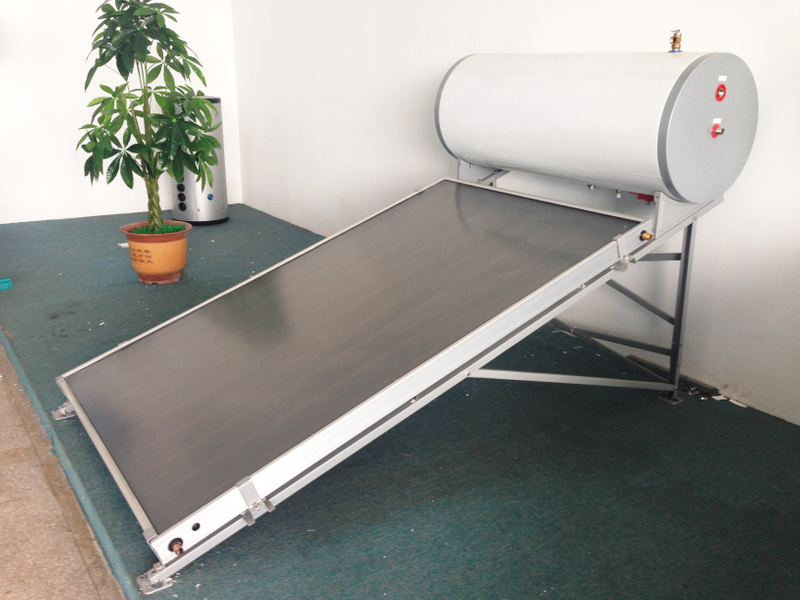
Solar water heaters come in two main types: passive and active. Each uses the sun’s energy to heat water but works differently.
Passive systems rely on natural forces like gravity and convection to move water through the system. They don’t use pumps or controllers, which makes them simpler and often more durable. There are two common passive designs:
● Batch (Integral Collector-Storage) Systems: These have a large, dark water tank inside a solar collector box. The sun heats the water directly in the tank. When you use hot water, cold water enters the tank to be warmed. Batch systems are simple and cost-effective but work best in warm climates because water can get very hot and they are not freeze-resistant.
● Thermosiphon Systems: These have a separate solar collector and storage tank. The tank is placed above the collector. As water heats in the collector, it naturally rises to the tank, while cooler water flows down to be heated. This creates a natural circulation loop without pumps. Thermosiphon systems are more efficient than batch systems but need careful installation to ensure the tank is higher than the collector.
Passive systems are great for areas with mild climates. They have fewer parts, which means less maintenance and longer life. However, they may not perform well in colder regions or places with less sun.
Active systems use electric pumps and controls to move water or heat-transfer fluids through the collectors and storage tank. This allows more precise control and better performance, especially in cooler or variable climates. Active systems come in two main types:
● Direct Circulation Systems: Pumps push water through the solar collectors and into the storage tank. These systems are simple but should only be used where freezing is rare because water moves directly through the collectors.
● Indirect Circulation Systems: These use a special heat-transfer fluid, often antifreeze, which circulates through the collectors. The fluid passes through a heat exchanger in the storage tank, warming the water without mixing. This design protects the system from freezing and is ideal for colder areas.
Active systems offer flexibility in design and better efficiency. The pumps and controllers help optimize water temperature and flow, making these systems a good choice for homes with varying sun exposure or cold winters. However, they have more moving parts, which can mean higher maintenance and installation costs.
For B2B readers, choosing the right system type depends on climate and budget; passive systems suit warm regions with low maintenance needs, while active systems provide better control and freeze protection in colder climates.
Solar water heaters use different types of collectors to capture the sun’s energy and heat water. The collector is the heart of the system, turning sunlight into usable heat. Understanding the main collector types helps you choose the best system for your needs.
Batch collectors, also called integral collector-storage (ICS) systems, are simple and cost-effective. They have a large, dark water tank inside an insulated box with a transparent cover facing the sun. The sunlight heats the water directly inside the tank.
● Water stays in the tank until needed, so it can get very hot if unused for a while.
● A tempering valve mixes cold water to prevent scalding at the tap.
● Best suited for warm climates because they are not freeze-resistant.
● Not compatible with closed-loop systems that use antifreeze fluids.
Batch collectors are easy to install and maintain, making them ideal for areas with mild weather and plenty of sun.
Flat-plate collectors are the most common type. They consist of copper tubes attached to a flat, dark absorber plate inside an insulated box covered with tempered glass.
● Water or heat transfer fluid flows through the tubes and heats up as the absorber plate captures sunlight.
● Typically sized to hold about 40 gallons of water.
● Two collectors can provide about half the hot water for a family of four.
● Suitable for a wide range of climates but may need freeze protection in colder areas.
Flat-plate collectors strike a good balance between cost, durability, and efficiency.
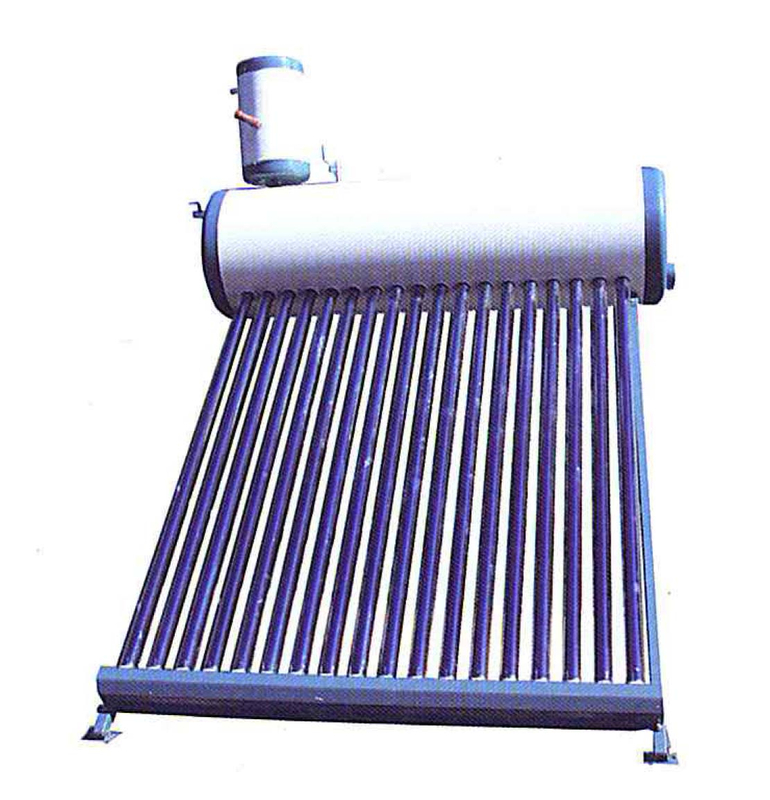
Evacuated tube collectors are highly efficient and work well even in cold or cloudy conditions.
● Each tube is like a thermos: a glass or metal tube inside a larger glass tube with a vacuum between them.
● The vacuum reduces heat loss, keeping the fluid inside very warm.
● They can operate in temperatures as low as -40°F.
● Individual tubes can be replaced if damaged.
● More expensive, costing about twice as much per square foot as flat-plate collectors.
These collectors are excellent for colder climates or places with less sunlight, offering superior performance but at a higher price.
For B2B readers, selecting the right collector type depends on your climate and budget; evacuated tube collectors offer the best efficiency in cold regions, while batch and flat-plate collectors are more cost-effective in warmer areas.
Solar water heaters use circulation systems to move water or heat-transfer fluids between the solar collectors and the storage tank. These systems ensure that the heat collected from the sun is efficiently transferred to the water you use. There are two main types of circulation systems: direct circulation systems and indirect circulation systems.
In direct circulation systems, water flows directly through the solar collectors where it gets heated by the sun. Then, this heated water moves to the storage tank for use. When you open a hot water tap, hot water is drawn from the tank, and cold water replaces it, moving through the collectors to be warmed again.
These systems are simple and effective in areas where freezing temperatures are rare. Since water circulates through the collectors, freezing weather can cause damage by freezing the water inside the pipes. Therefore, direct circulation systems are best suited for warm climates without frost risks.
A typical direct system uses a pump controlled by a sensor. When the collector’s temperature is higher than the water in the tank, the pump activates to circulate water through the collectors. This system helps maximize energy use by only running the pump when useful heat is available.
Indirect circulation systems use a heat-transfer fluid, often a water-antifreeze mixture, to absorb heat from the solar collectors. This fluid circulates through the collectors and then passes through a heat exchanger inside the storage tank. The heat exchanger transfers the heat to the water without mixing the two liquids.
This design protects the system from freezing damage because the antifreeze fluid can withstand cold temperatures. Indirect systems are ideal for colder climates or places with freezing winters. The pump and controller regulate the flow of heat-transfer fluid, ensuring efficient heating and preventing overheating.
Feature | Direct Circulation Systems | Indirect Circulation Systems |
Fluid Circulated | Water | Heat-transfer fluid (antifreeze mix) |
Freeze Protection | Limited; best in warm climates | Excellent; suited for cold climates |
Complexity | Simpler system with fewer parts | More complex with heat exchanger |
Maintenance | Lower maintenance | Requires checking antifreeze levels |
For B2B readers, selecting an indirect circulation system is crucial in freezing climates to prevent costly damage and ensure year-round solar water heating performance.
Solar water heaters offer several significant benefits that make them an attractive choice for homeowners and businesses alike. These advantages span financial savings, environmental impact, and even property value enhancement.
One of the most compelling reasons to install a solar water heater is the potential for substantial cost savings. Solar water heaters can reduce your water heating bills by 50% to 80%, depending on factors like your location, system size, and water usage habits. Since the sun provides free energy, your reliance on electricity or gas decreases, lowering monthly utility expenses.
● Lower energy bills: Solar water heaters use the sun's energy, which costs nothing, cutting down your energy consumption.
● Reduced peak demand charges: By heating water during daylight hours, these systems can ease strain on the grid during peak times, potentially lowering demand fees.
● Tax incentives: Many regions offer tax credits or rebates for installing solar water heaters, further reducing upfront costs.
Solar water heaters are a clean, renewable energy solution. By using sunlight instead of fossil fuels, they help reduce greenhouse gas emissions and air pollution.
● Lower carbon footprint: Heating water with solar energy emits no carbon dioxide, unlike traditional gas or electric heaters.
● Reduced fossil fuel dependence: Using solar energy lessens demand for oil, natural gas, or coal.
● Sustainable resource use: Solar energy is abundant and renewable, making it a more sustainable choice for long-term water heating.
Installing a solar water heating system can also boost your property's market value. Homes equipped with solar technology are often more appealing to buyers who value energy efficiency and lower utility costs.
● Attractive to eco-conscious buyers: Solar water heaters signal a commitment to sustainability.
● Higher resale value: Studies show homes with solar installations can sell for more than comparable homes without them.
● Modern energy solution: Solar water heating adds a modern, efficient feature that sets your property apart.
Advantage | Description | Impact |
Cost Savings | Cuts energy bills by up to 80% | Saves money monthly and long-term |
Environmental Impact | Reduces greenhouse gas emissions | Helps fight climate change |
Property Value | Increases home resale value | Enhances attractiveness to buyers |
For B2B readers, highlighting the long-term return on investment and environmental benefits can help persuade clients to choose solar water heaters over conventional systems.
When thinking about installing a solar water heater, several important factors come into play. These include installation costs, maintenance needs, and how climate affects system performance. Understanding these challenges helps you make the best choice for your home or business.
Solar water heaters typically cost more upfront than traditional water heaters. The price depends on system type, size, and collector quality. Active systems, which use pumps and controls, tend to be pricier than passive ones due to added components.
● Typical cost range: Installation can run from $2,000 to $6,000 or more. This varies by location, system complexity, and installer fees.
● Additional expenses: You may need roof upgrades or structural reinforcements to support collectors.
● Incentives: Many regions offer tax credits or rebates that can lower the net cost significantly.
While the initial investment is higher, solar water heaters reduce energy bills over time, often paying for themselves within several years.
Solar water heating systems require some maintenance to keep running efficiently and extend their lifespan.
● Passive systems: Usually low maintenance due to fewer moving parts. Occasional checks for leaks, insulation, and tank condition are recommended.
● Active systems: Need regular pump and controller inspections. Heat transfer fluids may require periodic replacement or topping up, especially in indirect systems.
● Scaling and corrosion: Mineral buildup can reduce efficiency; water quality and system design affect this risk.
● Freeze protection: Systems in cold climates must be checked for antifreeze fluid levels or drained during winter if passive.
Routine maintenance costs are generally lower than with conventional water heaters, but neglect can lead to costly repairs.
Your local climate greatly influences solar water heater performance.
● Sunlight availability: More sun means better heating. Cloudy or shaded areas reduce efficiency.
● Freezing temperatures: Passive systems without freeze protection risk damage in cold weather. Active indirect systems with antifreeze are better suited for such climates.
● Seasonal variations: Hot water demand and solar input vary through the year. Backup heating may be necessary during winter or rainy seasons.
● Temperature extremes: Very hot climates may require temperature controls to prevent overheating.
Choosing a system designed for your climate ensures reliable hot water year-round.
For B2B readers, advise clients to factor in climate-specific system features and maintenance plans to maximize solar water heater lifespan and performance.
Solar water heaters efficiently use sunlight to heat water, offering cost savings and environmental benefits. They reduce energy bills and carbon footprints, and increase property value. Consider climate and maintenance needs when choosing a system. Changzhou Raven New Energy Technology Co.,Ltd. provides high-quality solar water heaters that maximize energy efficiency and performance. Their products offer long-term value, making them an excellent choice for eco-conscious consumers seeking sustainable water heating solutions.
A: A Solar Water Heater is a system that uses sunlight to heat water, reducing reliance on traditional energy sources and lowering energy bills.
A: A Solar Water Heater captures sunlight through a solar collector, heating water or a heat transfer fluid, which then moves to a storage tank for use.
A: Solar Water Heaters offer cost savings, environmental benefits, and can increase property value by using renewable energy to heat water.


