

Views: 0 Author: Site Editor Publish Time: 2025-10-30 Origin: Site


A solar geyser is an innovative water heating system that harnesses the sun's energy to provide hot water for household use. By utilizing solar collectors and storage tanks, this eco-friendly solution captures sunlight, converting it into heat to warm water efficiently. Unlike traditional geysers that rely on electricity or gas, solar geysers offer a sustainable alternative that reduces energy costs and carbon emissions. In this article, we will explore the fundamental workings of a solar geyser, including its components and the processes involved in delivering hot water powered by renewable energy.
A solar geyser is a water heating system that uses the sun’s energy instead of electricity or gas. It mainly consists of two parts: a solar collector and a storage tank. The collector captures sunlight and converts it into heat. This heat then warms the water, which is stored in the tank for household use.
● Solar Collector: Usually mounted on the roof, it absorbs sunlight. It can be a flat plate or evacuated tube type.
● Storage Tank: This insulated tank holds the heated water until needed.
● Pipes and Valves: Connect the collector and tank, allowing water or heat transfer fluid to circulate.
● Controller and Pump (optional): In active systems, these help move the water or fluid.
Traditional geysers rely on electricity or gas to heat water, which can be costly and less eco-friendly. Solar geysers, however, use renewable solar energy, reducing electricity bills and carbon footprint. Unlike electric geysers that heat water on demand, solar geysers store hot water heated by the sun, making them energy-efficient.
Another difference is in the heating process. Traditional geysers heat water inside a tank using an electric element or gas burner. Solar geysers use solar collectors to capture heat from sunlight, which then transfers to the water either directly or indirectly.
Solar geysers also often include backup electric heating for cloudy days, ensuring a steady hot water supply. They are designed to work best in sunny climates but can be adapted for colder areas using indirect systems with antifreeze fluids.
Choosing the right solar geyser type depends on your climate and household needs, as direct systems suit warm areas, while indirect systems are better for colder regions.
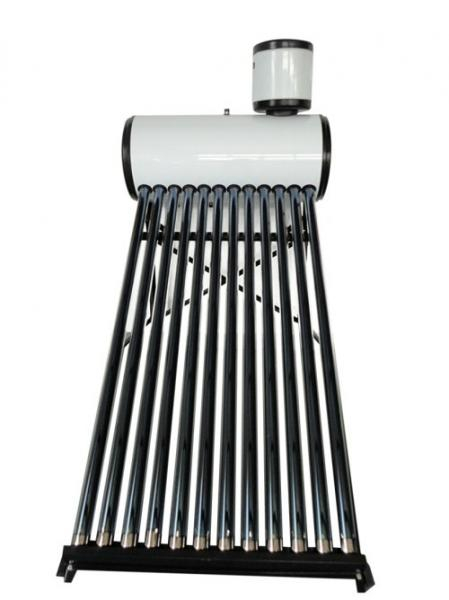
A solar geyser works by capturing sunlight and turning it into heat to warm water for your home. The key parts are the solar collector and the storage tank.
● Solar Collector: This is usually placed on the roof where it gets the most sun. It absorbs sunlight and converts it into heat. There are two common types:
○ Flat-plate collectors have a flat, insulated box with pipes inside that heat the water.
○ Evacuated tube collectors use glass tubes with vacuum insulation to reduce heat loss, making them more efficient, especially in colder climates.
● Storage Tank: This tank holds the hot water heated by the collector. It’s insulated to keep water warm for hours, even when the sun isn’t shining.
The collector heats either the water directly or a special heat-transfer fluid. This heat moves to the storage tank, where it warms the water you use for showers, washing, and more.
Solar geysers come in two heating system types: direct and indirect.
● Direct Systems: Water flows straight through the solar collector, where the sun heats it. The warm water then rises naturally into the storage tank. This method is simple and efficient but works best in warm climates where freezing isn’t a concern.
● Indirect Systems: These use a heat-transfer fluid, often a mix of water and antifreeze, which circulates through the collector. The fluid heats up and passes through a heat exchanger inside the storage tank, warming the water without mixing. This system is ideal for colder areas because the antifreeze prevents freezing in the collector pipes.
Both systems may include pumps and controllers in active setups to improve water circulation, especially when natural convection isn’t enough.
1. Sunlight hits the solar collector.
2. The collector heats water or heat-transfer fluid.
3. Heated fluid or water moves to the storage tank.
4. Heat transfers to the water in the tank (if indirect system).
5. Hot water is stored and ready for use.
6. Backup electric heating may activate during cloudy days.
This process uses mostly solar energy, reducing electricity use and lowering utility bills.
For optimal efficiency, ensure solar collectors face true north (in the southern hemisphere) and are tilted at an angle close to your latitude to maximize sunlight exposure throughout the year.
Solar geysers come in various designs, each tailored to different climates and household needs. The main differences lie in the type of solar collector used and the circulation system that moves heat to the water tank.
Batch collectors are among the simplest solar geyser designs. They consist of black tubes or tanks inside an insulated box. The sun heats the water directly inside these tubes, which then rises to the storage tank.
● Pros: Simple design, low cost, efficient in warm climates.
● Cons: Can overheat in summer, not suitable for cold areas, no closed-loop antifreeze protection.
Batch collectors work best in areas where freezing is not a concern and where direct sunlight is abundant.
Flat-plate collectors feature a flat, insulated metal plate with copper tubes attached. Water flows through these tubes and is heated by the sun. The entire assembly is covered by glass to reduce heat loss.
● Pros: Durable, suitable for average family size, effective in warm to mild climates.
● Cons: Less efficient in very cold weather compared to evacuated tubes.
Typically, two flat-plate panels can supply enough hot water for a family of four.
Evacuated tube collectors consist of glass tubes with a vacuum layer that minimizes heat loss. Each tube contains a heat absorber that captures solar energy efficiently.
● Pros: Highest efficiency, performs well in cold and cloudy conditions, can heat water up to high temperatures.
● Cons: More expensive, fragile compared to flat-plate collectors.
They are ideal for colder climates or where sunlight is less intense.
Solar geysers also differ based on how they circulate heat-transfer fluid.
● Direct Circulation Systems: Water moves directly through the solar collector and is heated before moving to the storage tank. Best for frost-free areas because water inside the collector can freeze.
● Indirect Circulation Systems (Closed-Loop): Use a heat-transfer fluid (usually a water-glycol mix) that circulates through the collector. This fluid transfers heat to water in the storage tank via a heat exchanger. This system prevents freezing and suits colder climates.
● Passive Systems (Thermosiphon): Rely on natural convection where hot water rises and cold water sinks, moving water without pumps. They are simple, reliable, and low maintenance but require the storage tank to be above the collector.
● Active Systems: Use pumps and controllers to circulate water or heat-transfer fluid. These systems offer more flexibility in tank placement and are common in urban settings.
Choose your solar geyser type based on your local climate and household hot water needs; indirect systems protect against freezing, while batch collectors work well in consistently warm areas.
When considering a solar geyser, it’s important to weigh both the advantages and disadvantages. This helps you decide if it suits your home and lifestyle.
● Lower Energy Bills: Solar geysers use sunlight to heat water, cutting electricity use by up to 35%. This means you save money on monthly utility bills.
● Reduced Carbon Footprint: Using solar energy reduces reliance on fossil fuels, helping lower greenhouse gas emissions. It’s a greener choice for the planet.
● Hot Water During Power Outages: Since solar geysers rely mainly on sunlight, you still get hot water during load shedding or blackouts.
● Low Maintenance: Most systems require little upkeep. Passive systems especially have fewer moving parts, reducing repair costs.
● Long-Term Investment: Though initial costs are high, solar geysers often pay for themselves in 5 to 7 years through energy savings.
● Increased Property Value: Homes with solar geysers can be more attractive to buyers seeking energy-efficient features.
● High Upfront Cost: Buying and installing solar geysers can be expensive. Quality collectors and tanks add to the price.
● Weather Dependent: Solar geysers work best in sunny climates. On cloudy or rainy days, water heats slower or less effectively.
● Backup Systems Needed: Many solar geysers include electric backup heating to ensure hot water during poor weather, increasing complexity and cost.
● Installation Requirements: Proper roof space and orientation are essential. Shaded or north-facing roofs reduce efficiency.
● Overheating Risk: Some systems, like batch collectors, can overheat in summer, requiring safety valves or tempering devices.
● Freeze Protection Costs: In colder areas, indirect systems with antifreeze fluids are necessary, increasing installation and maintenance expenses.
To maximize savings and performance, choose a solar geyser system tailored to your local climate and ensure professional installation for optimal collector placement.
Deciding if a solar geyser suits your home starts with evaluating your location and roof setup. Solar geysers work best where sunlight is abundant. If your roof faces north (in the southern hemisphere) and has minimal shading from trees or buildings, you’re in a good spot for solar heating.
Climate matters too. Warm, sunny areas are ideal for direct solar geysers, which heat water flowing straight through the collector. If you live in a colder region where freezing temperatures occur, an indirect system with antifreeze fluid is better. It protects pipes from freezing while still delivering hot water.
Roof space is another factor. You’ll need enough room to install solar collectors, typically on the roof. The collector’s size depends on your household’s hot water needs. For example, a family of four usually requires two flat-plate panels or about 15-20 evacuated tubes.
Solar geysers require a higher initial investment compared to traditional electric geysers. Installation costs include the solar collector, insulated storage tank, plumbing, and possibly pumps or controllers for active systems. Prices can vary widely depending on system type and capacity.
However, the long-term savings often outweigh upfront costs. By using free solar energy, you can cut water heating bills by 70% to 90%. In sunny regions, the payback period can be as short as 3 to 5 years. After that, your savings add up while reducing your carbon footprint.
Maintenance costs are generally low. Passive systems, which rely on natural convection, have fewer moving parts and require less upkeep. Active systems with pumps may need occasional servicing but still save money overall.
Consider also local incentives or rebates for renewable energy installations. Some governments or utilities offer financial support, reducing your initial expense.
● Backup heating: Many solar geysers include electric backup for cloudy days or high demand, ensuring you always have hot water.
● Water pressure: Check if your home’s water pressure suits the solar geyser system you choose.
● Installer expertise: Use certified installers to ensure proper setup and maximize efficiency.
● Property value: Installing a solar geyser can increase your home’s value by making it more energy-efficient and eco-friendly.
Before buying, assess your roof’s sunlight exposure, local climate, and hot water needs to choose a solar geyser system that maximizes savings and performance.
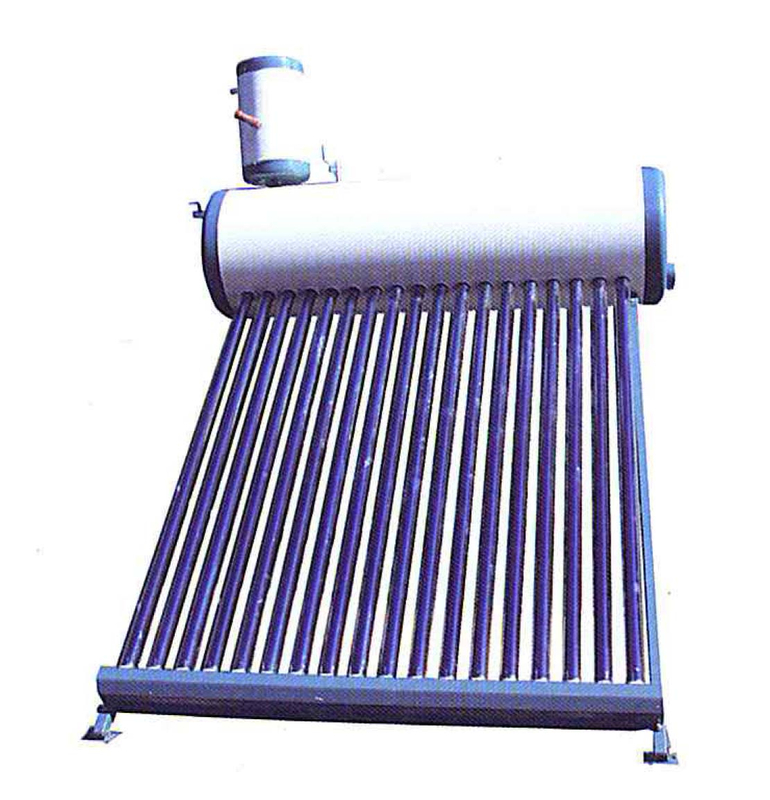
Installing a solar geyser involves several key steps to ensure it works efficiently and safely. The process usually starts with assessing your roof’s suitability. The roof should have enough space, be oriented towards the sun (north-facing in the southern hemisphere), and be free from shading by trees or buildings.
Next, the solar collector is mounted securely on the roof. It must be angled properly—typically close to your latitude—to capture maximum sunlight throughout the year. The storage tank is installed either on the roof (for thermosiphon systems) or near the house (for pumped systems). Proper plumbing connects the collector to the tank, allowing water or heat-transfer fluid to circulate.
For active systems, electrical wiring for pumps and controllers is installed. Backup electric heating elements are often included to ensure hot water on cloudy days or high demand. Insulation of pipes and tanks is critical to reduce heat loss.
Professional installation is highly recommended. Certified installers ensure compliance with local building codes, proper system sizing, and optimal placement. Poor installation can reduce efficiency and lead to system failures.
Solar geysers are generally low-maintenance, but some regular care keeps them running smoothly:
● Inspect Collectors: Check for dirt, dust, or debris on the solar collector's surface. Clean it gently with water and a soft cloth to maintain efficiency.
● Check for Leaks: Look over pipes, valves, and tanks for signs of leaks or corrosion. Early detection prevents bigger problems.
● Monitor Pressure Relief Valves: These safety valves release excess pressure to prevent damage. Ensure they work correctly and aren’t leaking excessively.
● Inspect Heat-Transfer Fluid (Indirect Systems): For closed-loop systems, check fluid levels and quality. Replace the antifreeze mixture every few years to avoid freezing or corrosion.
● Test Backup Heating Element: Confirm the electric or gas backup heater activates properly when solar heating is insufficient.
● Insulation Check: Ensure insulation on pipes and tanks remains intact to minimize heat loss.
● Professional Servicing: Schedule a professional inspection every 2-3 years to test system pressure, fluid condition, and overall performance.
Avoid using the circuit breaker as an on/off switch for your solar geyser. It should remain on to allow the system to maintain water temperature efficiently, especially during winter or cloudy days.
Always hire certified professionals for installation and maintenance to maximize your solar geyser’s lifespan and energy savings.
Solar geysers harness solar energy to efficiently heat water, reducing electricity bills and environmental impact. They offer reliable hot water supply even during power outages and require minimal maintenance. Choosing the right solar geyser involves assessing climate and household needs. Changzhou Raven New Energy Technology Co.,Ltd. provides innovative solar geyser solutions tailored to diverse climates, ensuring optimal performance and savings. Their products enhance energy efficiency, adding value to homes while supporting sustainable living.
A: A solar geyser is a water heating system that uses solar energy instead of electricity or gas, consisting of a solar collector and storage tank.
A: A solar geyser works by using a solar collector to capture sunlight, converting it into heat, which warms water stored in a tank for household use.
A: Solar geysers reduce electricity bills and carbon footprint by using renewable energy, unlike traditional geysers that rely on electricity or gas.
A: Benefits include lower energy bills, reduced carbon footprint, hot water during power outages, low maintenance, and increased property value.
A: Check for leaks, inspect the collector for debris, test pressure relief valves, and ensure the backup heating element functions correctly.


