

Views: 0 Author: Site Editor Publish Time: 2025-11-12 Origin: Site


A heat pump water heater (HPWH) is an innovative appliance designed to efficiently heat water by transferring heat from the surrounding air. Unlike traditional water heaters that generate heat directly, HPWHs operate similarly to a refrigerator running in reverse, absorbing warmth from the air and using it to warm the water in the tank. This energy-efficient technology not only reduces electricity consumption but also significantly lowers utility bills, making it an eco-friendly choice for homeowners seeking sustainable hot water solutions. In this article, we will explore the workings, benefits, and considerations of heat pump water heaters.
Heat pump water heaters work by moving heat rather than creating it. Think of it as a refrigerator running backward. Instead of pulling heat out of a box and releasing it into a room, this system pulls heat from the air around it and transfers that heat into the water.
Here's how it works step-by-step:
● A fan draws warm air over an evaporator coil filled with refrigerant.
● The refrigerant absorbs heat from the air and changes from liquid to gas.
● The gaseous refrigerant goes to a compressor, which raises its temperature and pressure.
● The hot refrigerant travels through coils wrapped around the water tank.
● Heat transfers from the refrigerant to the water, warming it up.
● The refrigerant cools down, turns back to liquid, and the cycle repeats.
This process uses electricity to move heat, not to generate it, making it two to three times more efficient than traditional electric water heaters.
Understanding the parts helps explain how these systems work so efficiently:
● Compressor: Raises refrigerant temperature and pressure after it absorbs heat.
● Condenser: Coils wrapped around the water tank where heat transfers from refrigerant to water.
● Evaporator: Refrigerant-filled tubes where heat from the air is absorbed.
● Expansion Valve: Controls refrigerant flow, allowing it to cool and prepare to absorb heat again.
Most heat pump water heaters also include backup electric heating elements. These kick in when demand exceeds the heat pump's capacity or if the surrounding air is too cold for efficient operation. This hybrid setup ensures you always have hot water.
● These units need to be in spaces that stay between 40º–90ºF (4.4º–32.2ºC) year-round.
● They require at least 1,000 cubic feet of air space around them for proper airflow.
● Installing them in warmer spaces like furnace rooms improves efficiency.
● Because they pull heat from the air, they can cool the room they're in slightly.
Heat pump water heaters represent a smart, energy-saving option by using advanced heat transfer technology to provide hot water efficiently.
When installing a heat pump water heater, choose a location with ample warm air and good ventilation to maximize efficiency and extend the unit’s lifespan.
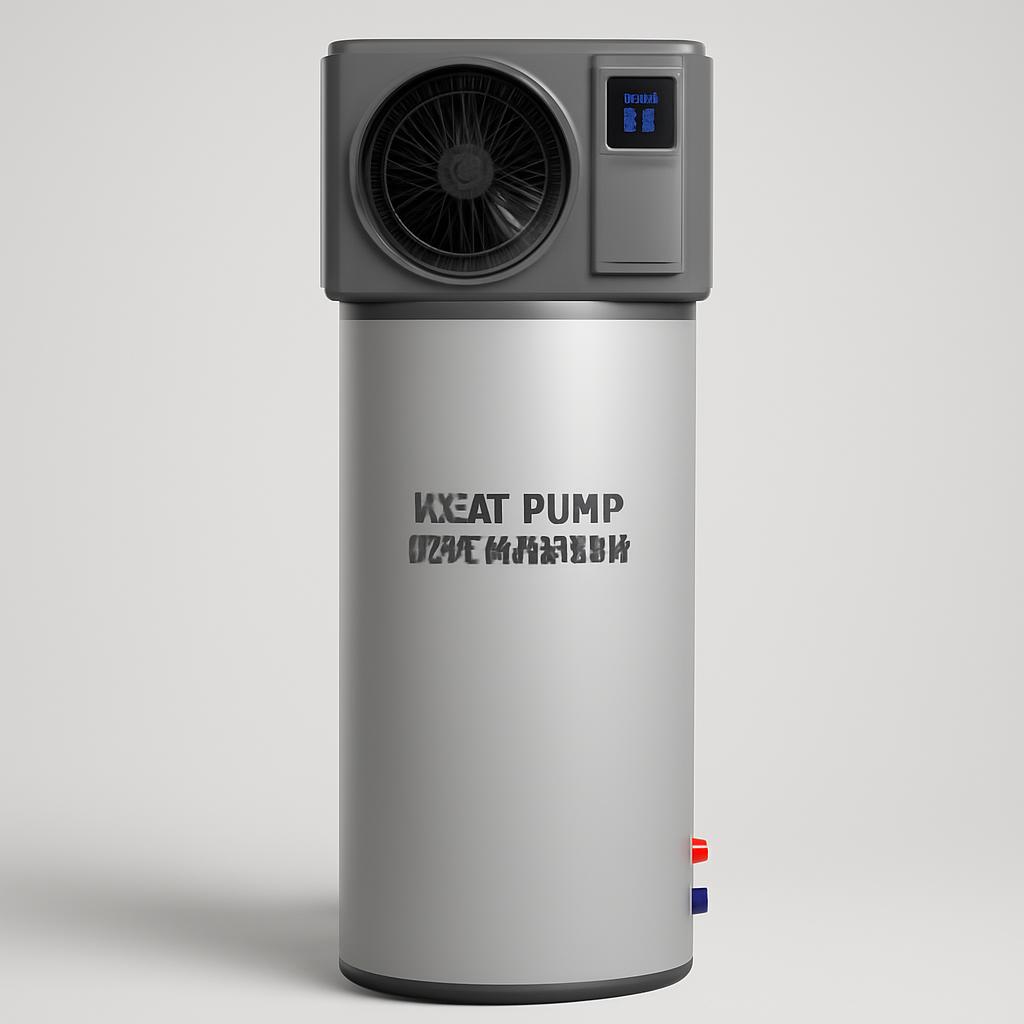
Heat pump water heaters usually cost more upfront than traditional electric models. However, they save money in the long run. Because they use electricity to move heat instead of creating it, they consume less energy. According to ENERGY STAR, a typical 40-gallon heat pump water heater costs about $104 per year to operate, compared to $400 for a standard electric water heater. Over three years, that’s a saving of nearly $900 on energy bills. These savings help recover the initial investment in just a few years.
Heat pump water heaters are two to three times more energy-efficient than conventional electric water heaters. They work by transferring heat from the air around them to the water, rather than generating heat directly. This process uses less electricity, which reduces energy consumption and lowers utility bills. The high energy factor (EF) rating, often above 2.0, reflects their efficiency. In contrast, traditional electric water heaters typically have EF ratings below 1.0. This means heat pump water heaters deliver more hot water per unit of energy used.
Because they use less electricity, heat pump water heaters produce fewer greenhouse gas emissions. This makes them an eco-friendly choice for homeowners who want to reduce their carbon footprint. By cutting energy use, they help conserve natural resources and reduce pollution linked to electricity generation. Some models use refrigerants with low global warming potential (GWP), further minimizing environmental impact. Choosing a heat pump water heater supports sustainability goals and aligns with growing efforts to combat climate change.
To maximize savings and efficiency, install your heat pump water heater in a warm, well-ventilated space like a furnace room or basement.
Heat pump water heaters usually cost more to buy and install than traditional electric or gas water heaters. The advanced technology and additional components, like compressors and refrigerant systems, add to the price. Installation can also be more complex, especially if electrical upgrades are needed. For example, a typical heat pump water heater may cost between $2,750 and $3,500 including installation, while a conventional electric water heater might only cost around $850. However, keep in mind that energy savings over time often offset these initial costs.
Heat pump water heaters work best in moderate climates where the air temperature stays between about 40º and 90º Fahrenheit (4.4º to 32.2º Celsius). In colder environments, the heat pump struggles to extract enough heat from the air, making it less efficient. When temperatures drop too low, the backup electric heating elements turn on more frequently, increasing energy use. To improve performance in cold climates, these units should be installed in warmer spaces like furnace rooms or near boilers, where they can use waste heat. Otherwise, their efficiency may drop during winter months.
Unlike traditional water heaters, heat pump water heaters need plenty of surrounding air to operate effectively. They require at least 1,000 cubic feet of air space around the unit for proper airflow and heat transfer. This means they often need to be installed in larger, well-ventilated areas such as basements, garages, or mechanical rooms. Homes with small utility closets or tight spaces may not have room for a heat pump water heater. Also, because these units draw heat from the air, they can cool the space they are in, which might be a concern in smaller or unheated areas.
When considering a heat pump water heater, plan for a spacious, warm installation area and budget for higher upfront costs to maximize efficiency and long-term savings.
Installing a heat pump water heater requires careful planning to ensure it runs efficiently and lasts a long time. Unlike traditional water heaters, these units need specific conditions:
● Location temperature: The space should stay between 40º to 90º Fahrenheit year-round. This range allows the heat pump to extract heat from the air effectively.
● Air space: At least 1,000 cubic feet of air space around the unit is necessary for proper airflow. This helps the evaporator coil absorb enough heat from the surrounding air.
● Drainage: Heat pump water heaters produce condensation as they dehumidify the air. You’ll need a drain nearby or a condensate pump to remove this water safely.
● Electrical supply: These units require a 240-volt electrical connection. If you’re replacing a gas water heater, you might need an electrician to upgrade your electrical panel or wiring.
● Ventilation: Good ventilation is crucial. If installed in a smaller room, louvered doors or vents can help bring in fresh air from adjacent spaces.
● Noise considerations: The heat pump’s fan makes some noise, similar to a small appliance. Installing it in a basement, garage, or utility room can minimize disturbance.
Because of these requirements, it’s best to have a qualified professional handle the installation. They’ll ensure the location meets all criteria and that the unit is connected safely and correctly.
Proper maintenance keeps your heat pump water heater running smoothly and efficiently. Here are some key tips:
● Annual flushing: Like traditional water heaters, flush the tank once a year to remove sediment buildup. Sediment can reduce heating efficiency and damage the tank.
● Anode rod inspection: Check the anode rod yearly. It protects the tank from corrosion. Replace it when worn down to extend the life of your water heater.
● Air filter cleaning: Many units have an air filter to keep dust off the evaporator coil. Clean or replace this filter every 6 to 12 months, or more often if the area is dusty.
● Check condensate drain: Make sure the drain or pump for condensation is clear and working properly to avoid water damage.
● Monitor performance: Watch for signs of reduced hot water supply or unusual noises. Early detection of issues can prevent costly repairs.
Following these maintenance steps can help your heat pump water heater operate efficiently for 10 to 15 years or more.
Schedule annual maintenance checks with a professional to keep your heat pump water heater running efficiently and avoid unexpected breakdowns.
Traditional electric water heaters work by using electric resistance elements to generate heat directly in the water tank. They are usually less expensive to buy and install than heat pump water heaters. However, they consume much more electricity because they generate heat instead of moving it. This leads to higher energy bills over time. Traditional units are simpler and take up less space, making them easier to fit in smaller utility closets.
In contrast, heat pump water heaters use electricity to transfer heat from the air to the water, making them two to three times more energy efficient. Although they cost more upfront, their lower operating costs often pay off within a few years. Plus, heat pump water heaters usually come with longer warranties, reflecting their advanced technology and durability.
Gas water heaters heat water by burning natural gas or propane. They generally have lower operating costs than traditional electric water heaters, especially if gas prices are low in your area. Gas units heat water quickly and perform well in cold climates. However, they require proper venting to safely expel combustion gases, which adds to installation complexity and cost.
Heat pump water heaters don’t burn fuel, so they don’t produce greenhouse gas emissions on-site. This makes them a greener choice, especially in regions where electricity comes from renewable sources. While gas water heaters may be cheaper upfront, heat pump water heaters can save money in the long run through reduced energy use and potential rebates. Also, gas water heaters carry risks like carbon monoxide leaks, which heat pump units avoid.
Tankless water heaters, also called on-demand water heaters, heat water only when you need it. They don’t store hot water in a tank, so they use less energy by eliminating standby heat loss. Tankless models can be gas or electric and are compact, saving space.
However, tankless water heaters may struggle to supply enough hot water during peak demand, especially for large families. They often require larger electrical panels or gas lines, increasing installation cost. Heat pump water heaters store hot water in a tank, providing a steady supply even during high use.
While tankless units are energy efficient, heat pump water heaters typically offer better overall efficiency and lower emissions. Heat pumps also benefit from backup electric heating elements to maintain hot water supply in cold conditions, something tankless units lack.
When choosing between water heater types, consider your home's size, climate, space availability, and long-term energy savings to select the most cost-effective and efficient option.
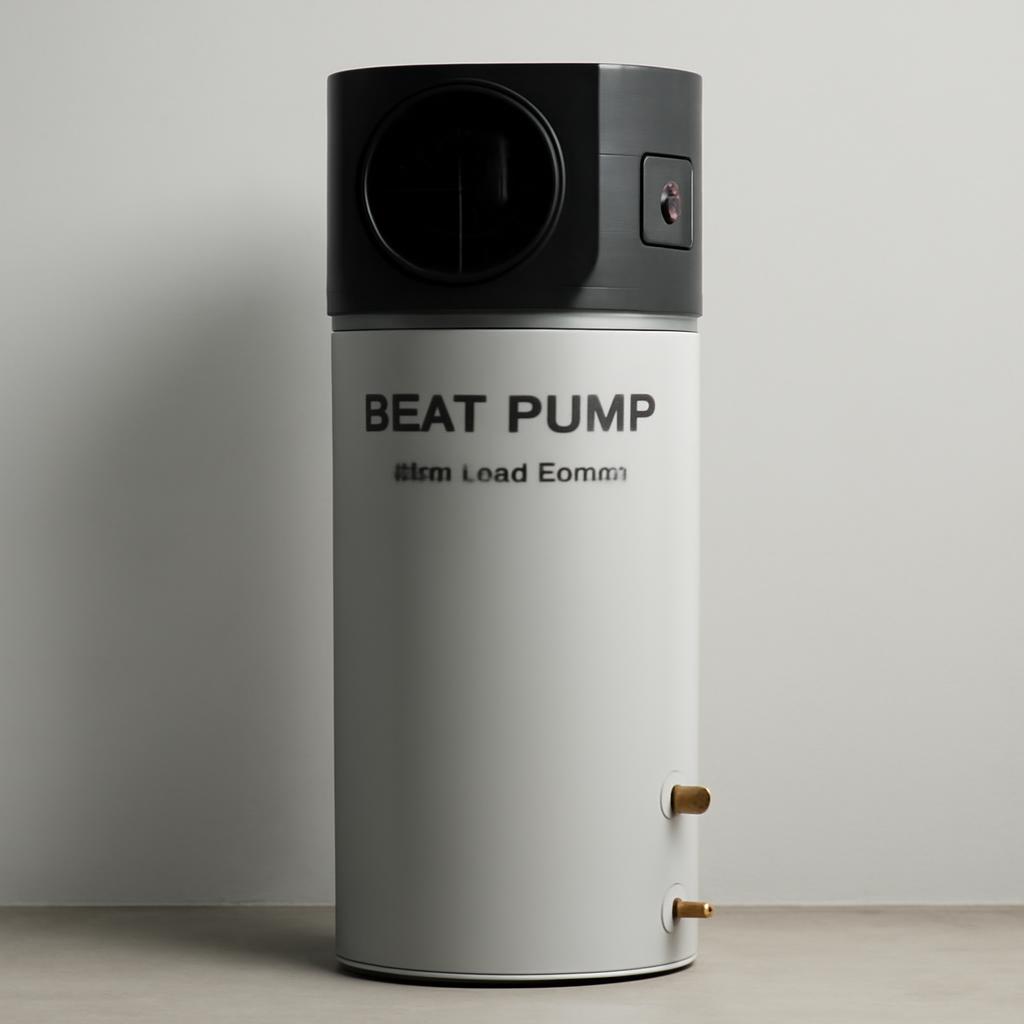
Choosing a heat pump water heater starts with understanding your household's hot water demand. Think about how many people live in your home and your typical water use habits. For example, do you take long showers, have multiple bathrooms, or run dishwashers and washing machines frequently? These factors influence the size and capacity you'll need.
Also, consider the space where you plan to install the unit. Heat pump water heaters need at least 1,000 cubic feet of air space around them and should be placed in areas that stay between 40º and 90º Fahrenheit year-round. Common locations include basements, garages, or mechanical rooms. If your home is in a colder climate, placing the unit near a furnace or boiler can help improve efficiency by using waste heat.
Selecting the right tank size is key to ensuring you have enough hot water without wasting energy. Heat pump water heaters typically come in 50, 65, or 80-gallon sizes. Here’s a quick guide:
● 3-4 people: 50-gallon tank
● 4-5 people: 65-gallon tank
● More than 5 people: 80-gallon tank
You can also look at the "first-hour rating" (FHR) on the water heater label. This rating tells you how much hot water the unit can supply in one hour. To estimate your FHR needs, add up the gallons used during peak hour activities like showers, dishwashing, and laundry.
If you expect higher water use or have guests often, consider a larger capacity to avoid running out of hot water. However, larger tanks consume more energy to keep water hot, so balance size with your actual needs.
Heat pump water heaters often come with financial incentives that can significantly reduce your upfront costs. Many state and local utility programs offer rebates ranging from a few hundred to over a thousand dollars for installing ENERGY STAR certified models.
Additionally, the federal government provides tax credits, such as the Energy Efficient Home Improvement Tax Credit, which can cover up to 30% of the cost (up to $2,000) for qualifying heat pump water heaters.
To find available incentives:
● Visit the Database of State Incentives for Renewables & Efficiency (DSIRE)
● Check your utility company’s website for local rebates
● Look for ENERGY STAR certified products to ensure eligibility
Taking advantage of these programs can make your investment much more affordable and speed up your return on investment.
Before purchasing, measure your installation space carefully and consult a professional to ensure your home meets the temperature and air space requirements for optimal heat pump water heater performance.
Is a Heat Pump Water Heater Right for You? Heat pump water heaters efficiently transfer heat from the air to water, reducing energy bills. They are ideal for moderate climates and spacious areas. Final Thoughts on Energy Efficiency and Cost Savings: These units, though costly initially, offer long-term savings and environmental benefits. Consider Changzhou Raven New Energy Technology Co.,Ltd. for advanced heat pump water heaters, combining efficiency with innovative technology for sustainable living.
A: A Heat Pump Water Heater transfers heat from the surrounding air to heat water, making it more energy-efficient than traditional models.
A: It uses a fan, compressor, and refrigerant to absorb heat from the air and transfer it to the water, operating like a reverse refrigerator.
A: It's energy-efficient, reduces utility bills, and has a lower environmental impact due to reduced greenhouse gas emissions.
A: They typically cost between $2,750 and $3,500 including installation, but offer long-term savings on energy bills.
A: They are two to three times more energy-efficient, leading to lower energy costs and reduced carbon emissions.


