

Views: 0 Author: Site Editor Publish Time: 2025-09-26 Origin: Site


Are you tired of rising water heating bills? A solar water heater can cut costs without overhauling your entire energy system.
In this article, we’ll explore how it works, its key benefits, and when it's the right hot water heater choice for you. You’ll learn about savings, environmental impact, and the incentives available to you.
Solar thermal supplies free heat when the sun shines. That displaces expensive grid or gas energy. The U.S. DOE cites 50–80% bill reductions potential. Savings depend on climate and household usage.
It replaces fossil heat with renewable thermal energy. No on-site combustion means zero point-of-use emissions. Greater solar fraction lowers lifecycle emissions further.
You use less grid energy for daily hot water. Systems include backup for low-sun periods. Hybrid operation protects comfort in all seasons.
Note: Backup remains essential in most climates.
Sticker price is only the starting number. Thermal collectors generate 15–20 years of value. Low maintenance further improves total ownership. Active systems need occasional pump service only. Twenty-year lifespans are common for quality systems.
Sunny regions raise solar fraction significantly. High daily hot water demand accelerates payback. Expensive electricity or gas improves the math.
Few moving parts mean light routine checks. Active systems need occasional pump service only. Twenty-year lifespans are common for quality systems.
Buyers value durable, lower-bill improvements. Energy features can reduce ownership anxiety. Documented bills and warranties support appraisals.
| Dimension | Solar Hot Water | Conventional Electric | Conventional Gas |
|---|---|---|---|
| Energy source | Sun + backup | Grid electricity | Natural gas |
| Bill impact | 50–80% reduction potential | High, tariff dependent | Medium, fuel dependent |
| Emissions | Very low at home | High at grid source | Direct combustion |
| Maintenance | Light annual checks | Low, periodic parts | Low, periodic parts |
| Lifespan | ~20 years common | 8–12 years typical | 8–12 years typical |
Savings range based on DOE data and local factors.
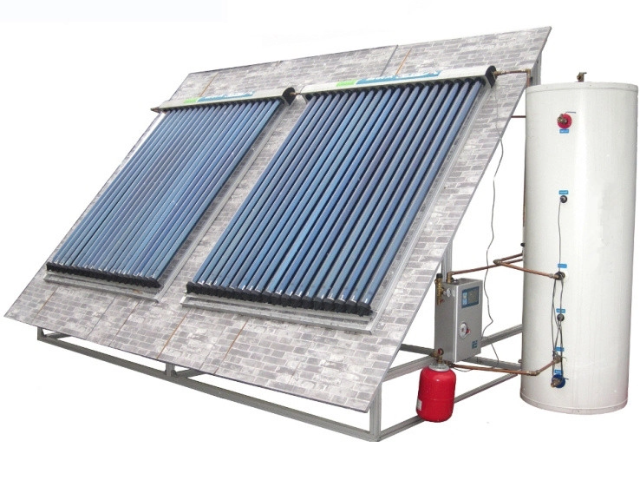
Flat plates deliver strong performance in mild climates. Evacuated tubes hold heat better in colder air. They reduce losses through vacuum insulation.
Active systems use pumps and controllers for control. Indirect active shines where freezes are common. Passive batch systems maximize simplicity and uptime.
Right-sized tanks maintain comfort through evenings. Mixing valves protect against scalds during peaks.
Solar hot water displaces fossil-based heat reliably. Greater solar fraction equals fewer emissions per year.
Thermal collectors deliver heat directly to water. That often needs less roof area than PV-to-resistance. Designers still verify structure and shading impacts.
Scaling and corrosion can be managed proactively. Use corrosion-resistant materials in key components. Plan simple descaling to protect exchange surfaces.
Most systems mount on pitched or flat roofs. Installers align tilt and azimuth for yield. They verify structure, access, and wind loads.
Solar preheats a tank feeding your backup heater. Hybrid design keeps hot water during storms. Controls optimize when backup actually fires.
Batch systems can overheat in peak sun hours. Thermostatic mixing protects fixtures and users. Insulated storage retains heat without scald risk.
Showers, laundry, and dishes raise daily load. More load means more solar heat displacing fuel. Central systems can serve multiple dwelling units.
Arid or subtropical zones favor solar fraction. Backup runtime drops in long, clear summers. Winter performance depends on collector choice.
Hotels and kitchens draw steady hot water. Solar thermal offsets high operating expenses. Process preheat eases boiler and element strain.
Thermal handles water; PV handles appliances. PV can also power pumps and controls efficiently. The combo cuts both electric and thermal costs.
Heat pumps excel in mild indoor locations. Solar thermal pulls ahead under strong insolation. Use local tariffs and COP data to decide.
Timed recirculation reduces standby losses a lot. Pipe insulation preserves every solar-made degree. Simple controls boost comfort and cut waste.
Tip: Audit valves, pipe runs, and recirculation schedules first.
Most owners schedule quick annual inspections. Pumps and heat-transfer fluids get periodic checks. Daily use is no different from a standard tank.
Match collector area to storage volume carefully. Use softening or descaling where water is hard. Select corrosion-resistant metals and lined tanks.
Quality installers specify durable components. Warranties cover tanks, collectors, and pumps. Service networks exist in most metro regions.
A solar hot water heater offers clear advantages. It lowers energy bills, cuts emissions, and reduces grid reliance. Backup systems ensure comfort on cloudy days, while maintenance is minimal. Incentives help improve cost savings over time. These systems are especially valuable in sunny areas with high usage. If these benefits align with your needs, SOLARAVEN offers efficient, reliable solutions to meet your home’s hot water needs.
A: A solar water heater uses the sun's energy to heat water, reducing the need for electricity or gas.
A: It collects sunlight through panels, transferring the heat to water, which is stored in a tank for use.
A: Solar water heaters lower energy bills, reduce carbon emissions, and provide a sustainable energy solution.
A: Savings depend on climate, usage, and system size but can be up to 80% on water heating costs.
A: Yes, especially in sunny areas. It pays back over time with energy savings and low maintenance costs.


