

Views: 0 Author: Site Editor Publish Time: 2025-10-03 Origin: Site


Solar thermal panels are a game-changer in energy efficiency. They capture the sun's heat to provide hot water and heating. Unlike photovoltaic panels, they directly convert sunlight into heat, reducing reliance on conventional heating.
In this article, we’ll explore how solar thermal panels work, their benefits, and how they can help lower energy costs. You’ll also discover the best applications for this eco-friendly technology in both homes and businesses.
Solar thermal panels come in different designs, but they all share the same core purpose: capturing solar energy to produce heat. These systems typically include components like flat-plate collectors or vacuum tube collectors, both of which absorb sunlight effectively.
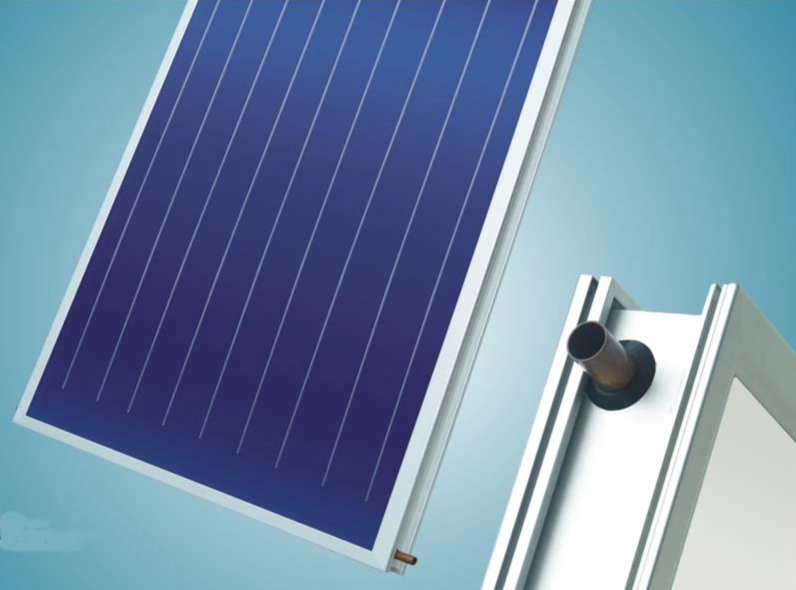
Flat-Plate Collectors | the most common type of solar thermal panels. They have a flat, dark-colored surface that absorbs solar radiation, typically made of materials like copper or aluminum. A transparent cover, often made of glass, protects the surface and helps maintain heat within the collector. |
Vacuum Tube Collectors | consisting of several glass tubes, each containing a heat transfer fluid. These tubes work more efficiently in colder climates, as the vacuum inside the tube prevents heat loss, making them ideal for locations with harsh winters. |
The key to solar thermal panel efficiency is the heat transfer process. A heat transfer fluid, usually a mixture of water and antifreeze, circulates through the collectors. This fluid absorbs heat from the panels and carries it to a heat exchanger, where it transfers the thermal energy to water stored in a tank.
This process allows the water to be heated efficiently using solar energy, with minimal reliance on other heating systems. Once the heat is transferred, the cooled fluid returns to the collector to absorb more solar energy, creating a continuous cycle that keeps the system running.
The efficiency of the system depends on several factors, including the type of fluid used, the insulation of the pipes, and the overall system design.
Tip: Ensure proper installation and positioning of solar thermal panels for maximum exposure to sunlight, as this directly impacts performance and energy savings.
Flat-plate collectors are simple in design and cost-effective. They are composed of a flat, dark absorber plate that collects solar radiation. The heat is transferred to the circulating fluid, which is then pumped to a storage tank for later use. These collectors are ideal for mild to moderate climates, offering reliable performance at a lower cost than other systems.
Advantages:
Lower upfront cost.
Suitable for homes in temperate climates.
Long-lasting with low maintenance.
Applications:
Domestic hot water.
Space heating.
Pool heating.
Vacuum tube collectors are more complex but significantly more efficient, especially in colder climates. They consist of glass tubes that create a vacuum, which minimizes heat loss. These systems are perfect for locations where the temperature regularly drops below freezing, as they maintain higher efficiency even in cloudy or cold conditions.
Advantages:
Higher efficiency in colder climates.
Better insulation against heat loss.
Can operate with lower sunlight.
Applications:
Ideal for homes in colder regions.
Large-scale commercial systems.
District heating systems.
A Hybrid Solar Thermal and PV System (PVT) combines both solar thermal and photovoltaic technologies into a single unit. This system captures both solar heat and electricity, making it an efficient solution for those looking to maximize energy production from a limited space. Although less common, hybrid systems offer an integrated solution for those seeking both hot water and electricity from a single installation.
Advantages:
Dual-purpose system: provides heat and electricity.
Maximizes energy production per square meter.
Ideal for homes with limited roof space.
Applications:
Residential homes with space limitations.
Commercial buildings requiring both heating and electricity.
One of the major reasons for adopting solar thermal panels is the significant reduction in energy bills. Unlike photovoltaic (PV) panels, which convert sunlight into electricity, solar thermal systems are more efficient at converting solar energy into usable heat. This makes them ideal for heating water and space at a fraction of the cost of traditional energy sources.
Efficiency: Solar thermal panels can achieve efficiency rates of 60-80%, compared to the 15-22% efficiency typical of PV panels. This makes them an excellent choice for reducing heating costs, especially in areas with high heating demands.
Cost Savings: By offsetting the need for gas or electric-powered water heaters, homeowners and businesses can save hundreds of dollars annually. Over time, these savings accumulate, providing a quick return on investment (ROI).
Tip: When calculating the ROI of solar thermal systems, factor in both energy savings and the long lifespan of the system, which can last up to 25 years.
Solar thermal panels contribute significantly to reducing greenhouse gas emissions. By using the sun’s energy for heating, they reduce dependence on fossil fuels, making them an important technology in the fight against climate change.
Benefits:
Zero carbon emissions during operation.
Reduced reliance on traditional heating systems powered by fossil fuels.
Minimal environmental footprint.
Solar thermal systems are known for their durability and low maintenance requirements. With proper installation and occasional checks, these systems can last up to 25 years, offering a long-term solution for reducing heating costs.
Maintenance:
Occasional cleaning of the collector surface.
Inspection of the fluid levels and pump operation.
Solar thermal systems typically come with warranties of 5-10 years, but they can operate efficiently for up to 25 years.
For residential use, solar thermal panels are primarily used to supply hot water and space heating. By integrating these panels into existing heating systems, homeowners can significantly reduce their reliance on gas or electric heating systems. Solar thermal panels work well in various climates, especially in areas with abundant sunlight or mild weather conditions.
Applications:
Domestic hot water heating.
Space heating through radiant floor systems.
Pool heating.
Businesses can also benefit from solar thermal systems. For commercial buildings with high heating demands, solar thermal panels can reduce energy bills and improve sustainability. Large-scale solar thermal systems are used for process heat in industries such as food processing, chemical manufacturing, and district heating.
Applications:
Hot water and space heating for commercial buildings.
Process heat for industries.
Large-scale heating systems for district heating.
While solar thermal panels are effective year-round, their performance is influenced by the weather. In winter or cloudy conditions, the system may not generate enough heat on its own. For this reason, a backup heating system, such as a heat pump or a conventional boiler, is often necessary to ensure a consistent supply of hot water during low-sunlight periods.
Installing solar thermal panels requires ample space, especially for larger systems. The roof should be free of shading and ideally face south for optimal exposure to sunlight. The system also requires a hot water tank and a pump to circulate the heat transfer fluid.
Considerations:
Roof orientation and space for installation.
Necessary space for a storage tank.
Installation costs and permits.
Solar thermal panels provide an eco-friendly solution for hot water and space heating. They help reduce energy costs, lower carbon footprints, and offer long-lasting performance with minimal maintenance. By integrating these systems into homes and businesses, customers can decrease their reliance on fossil fuels. As technology advances, solar thermal panels will be key in the shift toward renewable energy. SOLARAVENoffers high-capacity solar water heaters, delivering efficient and sustainable heating solutions for both residential and commercial use.
A: Solar thermal panels are devices that capture sunlight to generate heat, typically used for heating water and space in homes or businesses.
A: Solar thermal panels absorb sunlight, convert it into heat, and transfer the heat to water or air, which is stored or used for heating purposes.
A: Solar thermal panels reduce energy costs, lower carbon footprints, and provide efficient, long-lasting heating with minimal maintenance.
A: Yes, vacuum tube collectors, a type of solar thermal panel, work well in cold climates by minimizing heat loss and maintaining efficiency.
A: While the upfront cost of solar thermal panels can be significant, they provide long-term savings on energy bills, offering a quick return on investment.


