

Views: 0 Author: Site Editor Publish Time: 2025-10-23 Origin: Site


Solar water heaters are an efficient and eco-friendly solution for heating water using sunlight. But how do they perform during the rainy season when direct sunlight is limited? This article explores the functionality of solar water heaters in cloudy and rainy conditions, highlighting their ability to capture diffused sunlight, maintain efficiency, and ensure a reliable hot water supply even when the weather is less than ideal. Discover the advantages of these systems and how they adapt to variable climates while providing sustainable energy solutions.
Solar water heaters use sunlight to heat water for daily use. They capture solar energy through collectors mounted on rooftops or open areas. These collectors absorb sunlight and convert it into heat, which warms the water inside a tank. The system relies on solar radiation, but it doesn’t require direct sunlight all the time. Even on cloudy days, some sunlight penetrates the clouds, allowing the system to work, though less efficiently.
There are mainly two types of solar water heaters:
● Active Solar Water Heaters: These use pumps and controls to circulate water or heat transfer fluids through the system. They are more complex but offer better control and efficiency. Active systems come in two forms:
○ Direct circulation: Water circulates through the collectors and into the home.
○ Indirect circulation: A heat transfer fluid circulates through the collectors and transfers heat to water via a heat exchanger.
● Passive Solar Water Heaters: These rely on natural convection or gravity to move water. They are simpler, with fewer moving parts, and often more durable. Passive systems include:
○ Integral collector-storage systems: The water is heated directly in the collector.
○ Thermosiphon systems: Heated water rises naturally into a storage tank placed above the collector.
Each type has strengths and weaknesses, especially when it comes to performance during rainy or cloudy weather.
Solar water heaters operate through a simple yet effective process:
1. Sunlight Absorption: Solar collectors capture sunlight. Flat plate collectors use a dark absorber plate beneath glass covers, while evacuated tube collectors use glass tubes with vacuum insulation to reduce heat loss.
2. Heat Transfer: The absorbed solar energy heats a fluid—either water or a heat transfer liquid—that flows through the collectors.
3. Water Heating: The heated fluid transfers its heat to the water stored in an insulated tank. This tank keeps the water warm for use even when there’s no sunlight.
4. Storage and Use: The insulated tank stores hot water, ensuring availability during nighttime or cloudy periods.
Solar water heaters can still function during rainy seasons because they use not only direct sunlight but also diffused sunlight. While efficiency drops, the system’s design, including insulation and backup heaters, helps maintain hot water supply.
For better performance during rainy seasons, choose solar water heaters with evacuated tube collectors and well-insulated storage tanks to maximize heat retention and efficiency.
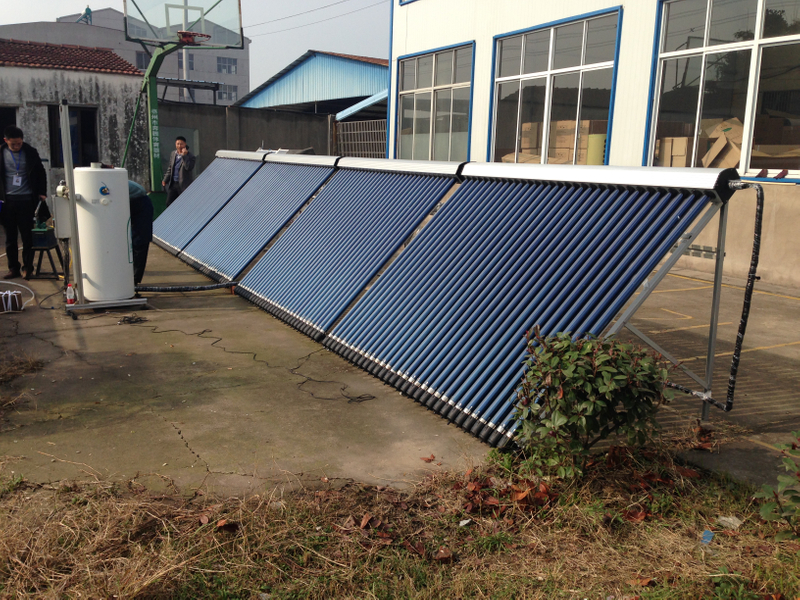
Solar water heaters capture sunlight and turn it into heat, even during rainy days. The solar collectors absorb not only direct sunlight but also diffused sunlight scattered by clouds. Though the intensity of sunlight decreases during rain, these collectors still gather enough solar energy to warm the water. Evacuated tube collectors excel here, as their cylindrical design and vacuum insulation reduce heat loss, making them more efficient under low-light conditions.
Once heated, water is stored in an insulated tank designed to keep it warm for hours, even when the sun isn’t shining. This storage is crucial during rainy seasons when sunlight is limited. The insulation minimizes heat loss, so the water stays hot longer. Some systems include larger tanks to store more hot water when sunlight is available, serving as a thermal battery. This stored heat ensures hot water availability during cloudy or rainy periods, improving user comfort and system reliability.
Cloud cover reduces the amount of sunlight reaching solar collectors, lowering their efficiency to about 10-25% of sunny-day performance. However, solar water heaters still function because they rely on diffused sunlight. The system’s design, including collector type and tank insulation, helps mitigate performance drops. Backup heating systems, like electric or gas heaters, often activate during prolonged cloudy or rainy periods, ensuring continuous hot water supply. Thus, while cloud cover impacts solar absorption, well-designed systems adapt to maintain functionality.
Choose solar water heaters with evacuated tube collectors and well-insulated tanks to maximize heat absorption and retention during rainy seasons.
During rainy seasons, solar water heaters experience a drop in efficiency because cloud cover limits the amount of direct sunlight reaching the collectors. Typically, their performance falls to about 10-25% of what it would be on a clear sunny day. This decrease happens because clouds scatter sunlight, reducing its intensity. Despite this, solar water heaters still capture diffused sunlight, allowing them to generate some heat. The efficiency loss doesn’t mean the system stops working; it just means it produces less hot water. Systems designed with high-quality collectors, such as evacuated tube collectors, handle low-light conditions better by minimizing heat loss and maximizing absorption.
Indirect or diffused sunlight plays a crucial role during the rainy season. Even when the sun is hidden behind thick clouds, some sunlight filters through. Solar collectors can absorb this scattered light and convert it into heat, though less efficiently than direct sunlight. Evacuated tube collectors, thanks to their cylindrical shape and vacuum insulation, excel at capturing this indirect sunlight. This means your solar water heater can still warm water on overcast days, providing comfort even during prolonged rainy periods. Indirect sunlight ensures the system never completely loses its ability to function, maintaining a baseline level of hot water production.
Because solar water heaters produce less heat during rainy or cloudy days, backup heating systems become essential. Most solar water heaters come equipped with auxiliary electric or gas heaters that automatically activate when water temperature drops below a preset level. This ensures a continuous hot water supply regardless of weather conditions. Backup systems provide peace of mind, especially during extended rainy spells or in regions with long winters. They work in tandem with the solar heater, reducing reliance on fossil fuels and electricity when sunlight is available, yet stepping in whenever solar energy falls short.
For consistent hot water during rainy seasons, invest in solar water heaters with efficient evacuated tube collectors and reliable backup heating systems to balance energy savings and comfort.
Rainy weather challenges solar water heaters, but smart adaptations help keep them efficient. One key strategy is installing larger storage tanks. These tanks hold more hot water heated during sunny periods, acting as a thermal reservoir for rainy days. Another approach involves integrating reliable backup heating systems, such as electric or gas heaters, that activate automatically when solar heat falls short. Positioning solar collectors at optimal angles maximizes sunlight capture, even when the sun is low or partially obscured. Also, selecting evacuated tube collectors improves performance during overcast days due to their superior heat retention. Regular maintenance, like clearing debris and checking for leaks, ensures the system runs smoothly despite harsh weather.
Even on rainy days, sunlight filters through clouds as diffused light. Solar water heaters can harness this indirect sunlight, though less intense than direct rays. Keeping collectors clean is vital since dirt or water spots reduce light absorption. Scheduling water use during daylight hours when sunlight peaks helps maximize solar energy use. Some systems use smart controllers to optimize heat collection based on current sunlight levels. Additionally, using heat transfer fluids that retain warmth longer can enhance water temperature during low-light periods. By focusing on every bit of sunlight, users can maintain a steady supply of hot water throughout the rainy season.
Design plays a critical role in maintaining efficiency during rainy seasons. Insulated storage tanks and piping limit heat loss, keeping water warm for hours. Closed-loop systems using antifreeze fluids prevent freezing and improve heat transfer in colder climates. Incorporating larger collector surfaces increases solar energy capture, compensating for reduced light intensity. Smart sensors and controllers monitor temperatures and adjust fluid circulation, preventing energy waste. Modular systems allow adding more collectors or storage tanks if needed, offering flexibility as weather conditions change. Choosing materials resistant to moisture and corrosion extends system life in wet environments. Thoughtful design balances efficiency, durability, and cost, ensuring reliable hot water supply rain or shine.
Regularly clean solar collectors and optimize system design to capture maximum diffused sunlight during rainy seasons, maintaining hot water availability efficiently.
Modern solar water heaters use advanced collector technologies to boost performance, especially during rainy seasons. Evacuated tube collectors are a prime example. Their cylindrical design captures sunlight from multiple angles, helping absorb diffused light on cloudy days. The vacuum insulation inside these tubes minimizes heat loss, keeping water warmer longer despite lower solar intensity. Flat plate collectors have improved too, featuring selective coatings that absorb more solar radiation and reduce heat reflection. Some systems combine both types to maximize heat capture under varying weather conditions. These innovations ensure solar water heaters remain effective even when sunlight is limited.
Smart controllers and sensors play a crucial role in optimizing solar water heater efficiency. They monitor temperature levels in the collector and storage tank, adjusting fluid flow to maximize heat transfer only when beneficial. For example, if the collector is cooler than the tank, circulation stops to prevent heat loss. Some systems use weather sensors to predict cloudy or rainy conditions, adapting operation schedules accordingly. This intelligent management reduces energy waste and prolongs system life. Additionally, smart controllers can integrate backup heaters seamlessly, activating them only when solar heating falls short. This tech ensures consistent hot water supply without unnecessary energy consumption.
Solar water heaters designed for variable climates include weather-resilient features that enhance durability and performance during rainy seasons. These features include corrosion-resistant materials to withstand moisture and prevent rust. Insulated piping and tanks minimize heat loss even in cool, damp weather. Some systems use antifreeze heat transfer fluids in closed-loop designs, preventing freezing in cold, wet conditions. Automatic flow control valves protect components by regulating fluid movement during sudden temperature changes. Weatherproof enclosures shield sensitive electronics from rain and humidity. Together, these features make solar water heaters reliable and low-maintenance, ensuring long-term operation regardless of weather challenges.
Invest in solar water heaters featuring evacuated tube collectors, smart controllers, and weather-resistant components to maximize efficiency and durability during rainy seasons.
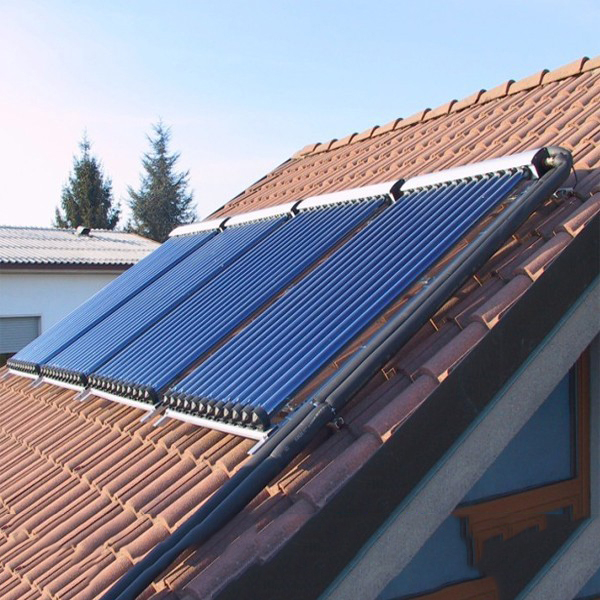
Solar water heaters offer significant cost savings in regions with variable climates. By tapping into free solar energy, they reduce reliance on electricity or fossil fuels, lowering monthly energy bills. Even during rainy seasons, these systems generate some heat from diffused sunlight, cutting down the need for backup heating. Over time, the savings accumulate, making solar water heaters a smart investment. Plus, many governments provide incentives or rebates for solar installations, further improving return on investment. Their energy efficiency remains notable because they convert sunlight directly into heat, avoiding energy losses common in electric water heaters.
Using solar water heaters helps reduce carbon footprints by lowering greenhouse gas emissions. Unlike conventional water heaters powered by coal or natural gas, solar systems rely on clean, renewable energy. This shift decreases air pollution and conserves fossil fuel resources. Even in rainy or cloudy conditions, solar water heaters contribute to sustainability by minimizing fossil fuel use through partial solar heating. The technology supports global climate goals and promotes eco-friendly living. Moreover, solar water heaters produce no noise or harmful byproducts during operation, enhancing environmental quality locally and globally.
Solar water heaters are built for durability and long-term use, making them sustainable choices for homes and businesses. Their components, like collectors and insulated tanks, often last 15-20 years or more with proper maintenance. Systems designed for variable climates incorporate weather-resistant materials and smart controls, ensuring consistent performance despite rain or cloud cover. This reliability reduces the need for frequent replacements, lowering waste and resource consumption. Additionally, solar water heaters reduce dependence on grid electricity, helping stabilize energy demand and enhancing energy security over the long term.
Choose solar water heaters designed for variable climates featuring durable materials and efficient collectors to maximize cost savings, environmental benefits, and system longevity year-round.
Solar water heaters capture sunlight to heat water, even during rainy seasons. They use advanced technologies like evacuated tube collectors and smart controllers to maintain efficiency. These systems reduce energy costs and have environmental benefits, making them a sustainable choice year-round. Changzhou Raven New Energy Technology Co.,Ltd. offers solar water heaters with unique features that ensure reliable performance in all weather conditions, providing exceptional value to customers seeking eco-friendly solutions.
A: A Solar Water Heater works by capturing diffused sunlight through collectors, even on rainy days. Though efficiency drops, it still generates heat, aided by insulated tanks and backup systems to ensure hot water availability.
A: Backup heating systems are crucial for Solar Water Heaters during rainy seasons, as they activate when solar energy is insufficient, ensuring a continuous hot water supply regardless of weather conditions.
A: Solar Water Heaters offer cost savings, reduce reliance on fossil fuels, and lower carbon footprints, even in variable climates, thanks to their ability to harness diffused sunlight and advanced design features.


