

Views: 0 Author: Site Editor Publish Time: 2025-10-22 Origin: Site


Solar water heaters are an innovative solution for harnessing renewable energy to meet hot water needs. While they excel in capturing sunlight during the day, many homeowners wonder about their effectiveness at night. This article explores how solar water heaters retain heat through insulated storage tanks, ensuring a continuous supply of hot water even when the sun isn't shining. We'll delve into the mechanics behind these systems, the importance of insulation, and the role of backup heaters in providing reliable hot water around the clock.
Solar water heaters capture sunlight using solar collectors, which absorb solar energy and transfer heat to water. The two most common types of collectors are flat plate collectors and evacuated tube collectors. Flat plate collectors are simple, durable, and cost-effective, while evacuated tube collectors are more efficient, especially in colder climates.
Once heated, the water moves to a storage tank. This tank holds the hot water until you need it, acting like a thermal reservoir. The tank is usually well-insulated to keep water hot for many hours, even after the sun sets. Insulation materials such as polyurethane foam or fiberglass reduce heat loss, helping maintain water temperature overnight.
Solar water heaters come in two main types: active and passive.
● Active Systems use pumps and controls to circulate water or a heat-transfer fluid between the collectors and storage tank. They offer better efficiency and can be tailored to different climates. Active systems split into:
○ Direct Circulation: Pumps move household water through collectors. Best for areas without freezing temperatures.
○ Indirect Circulation: Use a heat-transfer fluid that flows through collectors and a heat exchanger to warm household water. Ideal for cold climates to prevent freezing.
● Passive Systems rely on natural convection or gravity to circulate water. They have no pumps, making them simpler and less costly but generally less efficient. Passive systems include:
○ Integral Collector-Storage: The storage tank is integrated with the collector and heats water directly.
○ Thermosyphon: Water circulates based on temperature differences, with hot water rising to the storage tank.
Both systems depend on sunlight to heat water during the day. The choice between active and passive depends on climate, budget, and hot water demand.
Selecting the right combination of solar collectors and storage tanks, along with choosing between active or passive systems, is crucial for maximizing hot water availability and energy savings.
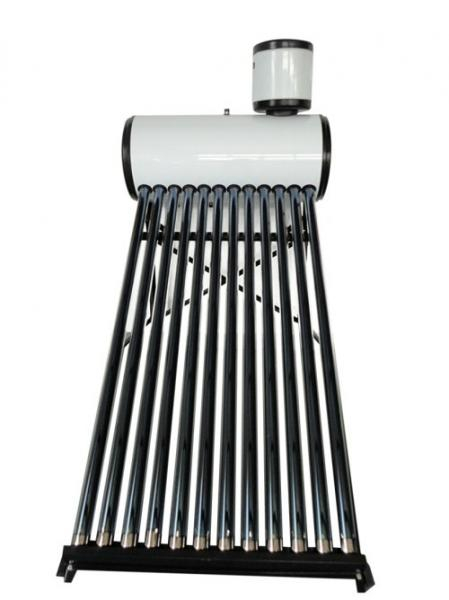
Solar water heaters gather heat during the day, storing it in insulated tanks for later use. These storage tanks act like thermal reservoirs, holding hot water long after the sun sets. The tank’s capacity and insulation quality determine how well it retains heat overnight. A well-sized tank ensures enough hot water remains available for nighttime needs, reducing reliance on backup systems.
Modern tanks often use thick layers of insulation such as polyurethane foam or fiberglass. This insulation slows heat loss, keeping water warm for 24 to 72 hours depending on the system and climate. Some premium tanks even feature vacuum insulation or double walls to minimize heat escape further.
Without a properly insulated storage tank, the water cools quickly, making the solar water heater ineffective at night. Therefore, the storage tank is essential to the system’s ability to provide hot water when sunlight is unavailable.
Insulation doesn’t just apply to the storage tank but extends to pipes and other components. Heat loss can occur through uninsulated pipes, especially if they run outdoors or through cooler areas. Wrapping pipes with insulation sleeves helps maintain water temperature as it travels to your taps.
High-quality insulation materials resist temperature changes and prevent heat from escaping. For example, foam insulation maintains warmth better than older fiberglass wraps. Proper sealing ensures no air leaks, which could reduce insulation effectiveness.
In colder climates, insulation becomes even more critical. It protects against freezing temperatures that can cause water to cool rapidly or pipes to freeze. Some systems also use heat-traced pipes or additional insulation layers in these regions.
Together, storage tanks and insulation allow solar water heaters to deliver hot water after dark. They store the solar heat collected during the day and minimize heat loss overnight. This smart design means you can enjoy hot water at night without the solar collectors actively heating water.
Choose a solar water heater with a well-insulated storage tank and insulated piping to maximize hot water availability at night and reduce backup heating costs.
Solar water heaters rely on sunlight, so they can't actively heat water at night. To ensure hot water availability 24/7, most systems include backup heating options. These backups kick in when solar-heated water drops below a set temperature, maintaining comfort and convenience.
Common backup systems include:
● Electric Backup Heaters: Use electric heating elements to warm water. Ideal for mild climates or homes with moderate hot water use.
● Gas Backup Heaters: Utilize gas burners to heat water quickly. Suitable for colder regions where temperatures can drop significantly.
● Heat Pump Backups: Extract heat from air to warm water efficiently. These are energy-friendly but cost more upfront.
Each backup type activates only when needed, usually detected by a thermostat inside the storage tank. This setup ensures the backup system supplements solar heating without running unnecessarily, saving energy and costs.
Backup heaters work seamlessly alongside solar water heaters. During the day, solar collectors heat water stored in an insulated tank. At night or during cloudy days, if the water temperature falls below a preset threshold (commonly around 120°F or 49°C), the backup system turns on.
Here’s how it typically functions:
1. Temperature Monitoring: Sensors in the storage tank constantly check water temperature.
2. Activation: If temperature drops too low, the backup heater activates to raise water temperature.
3. Deactivation: Once the desired temperature is reached, the backup heater shuts off automatically.
This process ensures you always have hot water without wasting energy. The backup system acts as a safety net, filling gaps when solar heating alone can’t meet demand.
Some advanced solar water heaters allow you to program backup settings or integrate smart controls. This customization lets you optimize energy use and reduce utility bills further.
When selecting a solar water heater, choose a backup system that matches your climate and hot water needs to ensure reliable nighttime performance and maximize energy savings.
Choosing the right size storage tank is critical for nighttime hot water availability. If the tank is too small, it won’t hold enough hot water to meet your household’s needs after the sun sets. Generally, experts recommend sizing the tank based on household size and water usage patterns:
● About 20 gallons per person for moderate daily use
● 30 gallons or more per person for high water demand or larger families
A properly sized tank stores enough hot water collected during the day to last through the night. Undersized tanks force frequent use of backup heating, increasing energy costs. Oversized tanks, however, can lead to heat loss and higher initial costs. Balance is key.
Insulation quality directly impacts how well the storage tank retains heat overnight. High-grade insulation reduces heat loss, keeping water hot longer without extra energy input. Common insulation materials include:
● Polyurethane foam: Offers thick, durable insulation with low thermal conductivity
● Fiberglass: Cost-effective but less efficient than foam
● Vacuum insulation panels: Found in premium tanks, these minimize heat loss even more
The insulation thickness typically ranges from 2 to 4 inches. Tanks with R-values of 16 or higher are ideal for minimizing heat loss.
Insulated piping is equally important. Heat can escape through unprotected pipes, especially those exposed to cold air or running outdoors. Wrapping pipes in foam sleeves or using pre-insulated piping helps maintain water temperature as it travels from tank to taps.
In colder climates, insulation becomes even more vital. It prevents water from cooling too fast and protects pipes from freezing, which could damage the system. Some systems add heat tracing cables or extra insulation layers in these regions.
Together, tank sizing and insulation quality determine how well your solar water heater performs at night. A well-sized tank with excellent insulation can keep water warm for 24 to 72 hours, reducing reliance on backup systems and lowering energy bills.
For optimal nighttime performance, select a storage tank sized to your household’s hot water needs and ensure it has high-quality insulation rated R-16 or above, plus insulated piping to minimize heat loss.
Installing a solar water heater involves an upfront cost that’s usually higher than traditional water heaters. This includes the price of solar collectors, insulated storage tanks, piping, and often a backup heating system. Factors influencing cost include:
● System type: Active systems with pumps cost more than passive ones.
● Collector type: Evacuated tube collectors tend to be pricier than flat plate collectors.
● Tank size and insulation: Larger, better-insulated tanks increase costs.
● Installation complexity: Roof type, plumbing modifications, and location affect labor costs.
On average, residential solar water heater installation ranges from $5,000 to $8,000 before incentives. This investment may seem steep initially but is balanced by long-term savings.
Solar water heaters significantly reduce energy bills by using free solar energy to heat water. Typical savings on water heating costs range from 50% to 80%, depending on system efficiency, climate, and household hot water use.
Additional financial benefits include:
● Federal tax credits: In the U.S., a 30% federal tax credit applies to solar water heater installations through 2032.
● Local rebates and incentives: Many states, utilities, or municipalities offer rebates or grants to lower initial costs.
● Reduced operating costs: Solar water heaters use little to no fuel, lowering monthly expenses.
● Longer lifespan: They often last 2-3 times longer than conventional water heaters, reducing replacement frequency.
For example, a family of four might save $200 to $300 annually on water heating bills. Over a 20-year lifespan, this adds up to $4,000 to $6,000 in savings, which can offset the initial investment and then some.
The payback period—the time it takes for savings to cover installation costs—varies by location and system type. In sunny climates, payback periods typically range from 4 to 8 years. Afterward, the system provides essentially free hot water.
Factors affecting payback include:
● Energy prices: Higher electricity or gas costs shorten payback time.
● System efficiency: Higher efficiency means greater savings.
● Usage patterns: Larger households or higher hot water demand improve return on investment.
Beyond cost savings, solar water heaters reduce greenhouse gas emissions by decreasing fossil fuel use. This aligns with corporate sustainability goals and can enhance brand image for businesses investing in green technologies.
Evaluate local incentives and energy costs before purchasing a solar water heater to maximize financial benefits and shorten your payback period.
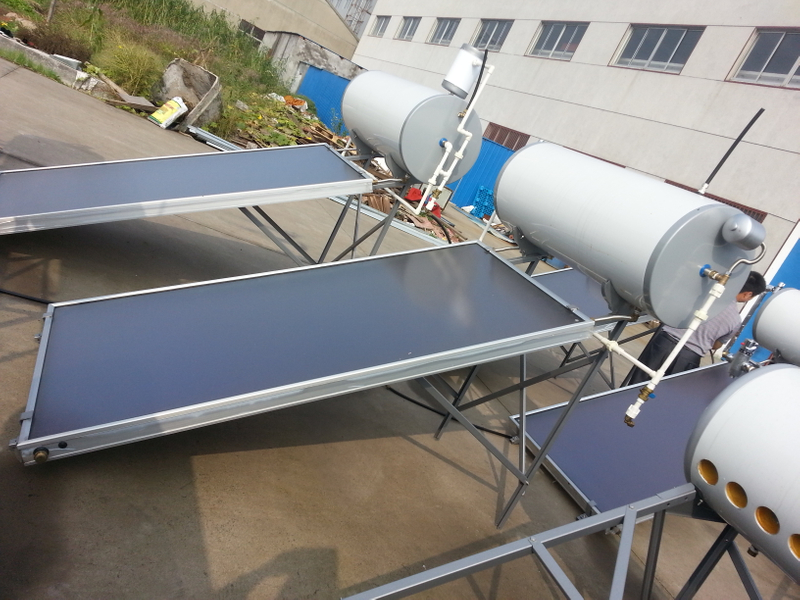
To keep your solar water heater working well, regularly inspect its insulation. Over time, insulation can degrade or get damaged, causing heat loss. Check the storage tank’s insulation for cracks, moisture, or gaps. Even small leaks in the insulation reduce the tank’s ability to retain heat overnight.
Also, inspect the insulation on pipes connecting the collectors to the tank. Pipes exposed to outdoor air or cooler spaces lose heat quickly if not properly insulated. Look for worn or missing insulation sleeves and replace them promptly.
Perform these checks at least once a year, preferably before colder months. Early detection of insulation issues helps maintain hot water availability at night and reduces backup system use. If you notice any damage, repair or upgrade the insulation promptly using high-quality materials like closed-cell foam or fiberglass wraps.
Backup systems ensure hot water when solar heating falls short, so maintaining them is critical. Regularly test backup heaters to confirm they activate and shut off correctly. For electric backups, check heating elements for wear and ensure electrical connections are secure.
Gas backup systems need more thorough maintenance. Inspect burners, ignition assemblies, and fuel lines for safety and efficiency. Cleaning or replacing parts as needed prevents malfunctions and energy waste.
Heat pump backups require filter cleaning and refrigerant level checks to keep performance optimal. Schedule professional service annually or as recommended by the manufacturer.
Additionally, verify thermostat and control settings regularly. Accurate temperature sensors ensure backup systems only run when necessary, preventing unnecessary energy use.
Proper maintenance of backup systems prolongs their lifespan and guarantees reliable hot water supply during nighttime or cloudy days.
Schedule annual inspections of your solar water heater’s insulation and backup system to catch issues early and maintain efficient, reliable hot water all year round.
Solar water heaters are effective at night due to insulated storage tanks that retain heat collected during the day. This ensures hot water availability without active heating. Choosing the right size tank and quality insulation is crucial for optimal performance. Backup systems provide additional support when needed. Changzhou Raven New Energy Technology Co.,Ltd. offers advanced solar water heaters with superior insulation and reliable backup systems, ensuring energy savings and continuous hot water supply, showcasing their commitment to sustainable energy solutions.
A: Solar water heaters use insulated storage tanks to keep water hot overnight. Although they don't actively heat water at night, the stored heat ensures availability when sunlight is absent.
A: Solar water heaters reduce energy bills, lower greenhouse gas emissions, and offer long-term savings. They provide an eco-friendly solution for hot water needs.
A: Solar water heaters have higher upfront costs but offer significant energy savings over time. They rely on sunlight, unlike traditional systems that use electricity or gas.


