

Views: 0 Author: Site Editor Publish Time: 2026-04-13 Origin: Site


Recent Internal Revenue Service (IRS) data reveals a massive shift in home energy choices. Over 139,000 U.S. households claimed solar thermal tax rebates in 2023. Interestingly, these installations outpaced conventional heat pump water heater claims. Heating water takes a huge bite out of your utility bills. It typically eats up 14 to 18 percent of an average home's monthly energy budget. Homeowners desperately want reliable ways to permanently cut these expenses.
We will transparently evaluate whether this technology fits your home. We carefully examine climate constraints, roof space limitations, and local utility costs. You will discover exactly what it takes to achieve a strong return on investment. This guide strips away marketing fluff. We rely on concrete facts to help you decide if upgrading your infrastructure makes operational and financial sense for your specific property.
Efficiency edge: Solar thermal collectors convert up to 80% of solar radiation into heat, compared to traditional PV panels which capture around 20%.
Target savings: Properly sized systems reduce water heating bills by 50% to 80%.
Financial leverage: The 30% Federal Tax Credit (valid through 2032) applies only to SRCC-certified systems used for home water (not pools).
The main trade-off: High upfront hardware costs due to a lack of manufacturing scale economies, paired with a reliance on backup conventional heaters during prolonged overcast or freezing weather.
Financial viability remains the biggest hurdle for most homeowners. You must look beyond the initial price tag. True value emerges when you calculate the Total Cost of Ownership (TCO) over a twenty-year horizon.
Expect hardware prices to range between $2,000 and $5,000. Installation labor typically adds another $1,000 to $3,000 to your bill. Complex roof layouts or older plumbing infrastructure can push labor costs higher.
You calculate your payback timeline using a simple formula: divide your initial net cost by your annual cost savings. Most homeowners see a payback period ranging from five to ten years. However, if you live in a region experiencing exceptionally high electricity rates, this payback timeline frequently drops below three years. Once you cross this threshold, the system essentially generates free hot water.
Government incentives heavily skew the financial math in your favor. The federal government offers a 30% Federal Tax Credit extending through 2032. You apply this credit to both equipment and installation costs.
Beyond immediate tax relief, these systems build substantial home equity. Data from the National Renewable Energy Laboratory (NREL) highlights a compelling metric. Every single dollar saved on annual utility bills can increase your home's resale value by up to $20. Buyers increasingly prioritize homes featuring insulated utility costs.
When evaluating a Solar Water Heater, your long-term maintenance budget matters. Fortunately, these systems are surprisingly affordable to maintain. Routine upkeep averages just 0.5% of the initial system cost per year. You primarily pay for periodic fluid flushes and anode rod replacements. Proper maintenance easily supports a functional lifespan exceeding two decades.
No energy solution exists in a vacuum. You must compare thermal technology against popular modern alternatives to ensure you make the best choice.
Scenario | System Type | Best Fit For | Main Trade-Off |
|---|---|---|---|
Scenario A | Pure Solar Thermal | Homes prioritizing high heat efficiency. Off-grid setups. Roofs lacking vast square footage. | Lacks scale economies. Cannot power your household appliances or lights. |
Scenario B | Solar PV + Electric Heat Pump | Large, unshaded roofs. Owners wanting to offset total home electricity usage. | Requires massive roof space. Demands significantly higher upfront capital. |
Scenario C | Tankless Water Heaters | Households wanting on-demand heat without roof modifications. | Does not harness renewable energy. Subject to fluctuating local utility rates. |
Thermal panels directly transfer the sun's energy into your water supply. This direct transfer entirely eliminates energy conversion losses. They require significantly less square footage than traditional photovoltaic (PV) arrays. If your roof space is heavily restricted, this approach maximizes your renewable energy footprint.
Photovoltaic panel costs have plummeted over the last decade. Many homeowners now install massive PV arrays to run electric heat pump water heaters. This strategy covers comprehensive electricity usage across the entire home. It represents a highly competitive total-home energy strategy. You do need substantial upfront capital and a large, sun-drenched roof.
Tankless systems flash-heat water on demand. They offer localized efficiency. You avoid exterior roof modifications entirely. They perform consistently regardless of weather conditions. However, you remain entirely dependent on grid electricity or natural gas pricing.
Selecting the wrong equipment for your local climate guarantees poor performance. You must match the hardware circulation logic to your specific environmental realities.
We separate systems by how they move fluid from the roof to the storage tank.
Active Systems: These utilize electric pumps and controllers. We sub-divide them into two categories. Direct systems circulate actual household water through the roof panels. You should only use these in mild, freeze-free climates. Indirect systems circulate a specialized antifreeze fluid. They transfer heat via a heat exchanger. You must use indirect systems in freeze-prone areas.
Passive Systems: These rely on gravity and natural convection. They lack moving parts. They typically cost less and offer incredible reliability. They generally excel at delivering large batches of hot water toward the late afternoon and evening.
The collector sits on your roof and absorbs solar radiation. Different designs handle temperature extremes differently.
Batch/Flat-Plate Collectors: These represent the cost-effective standard. They look like dark skylights. They perform exceptionally well in warm to moderate climates.
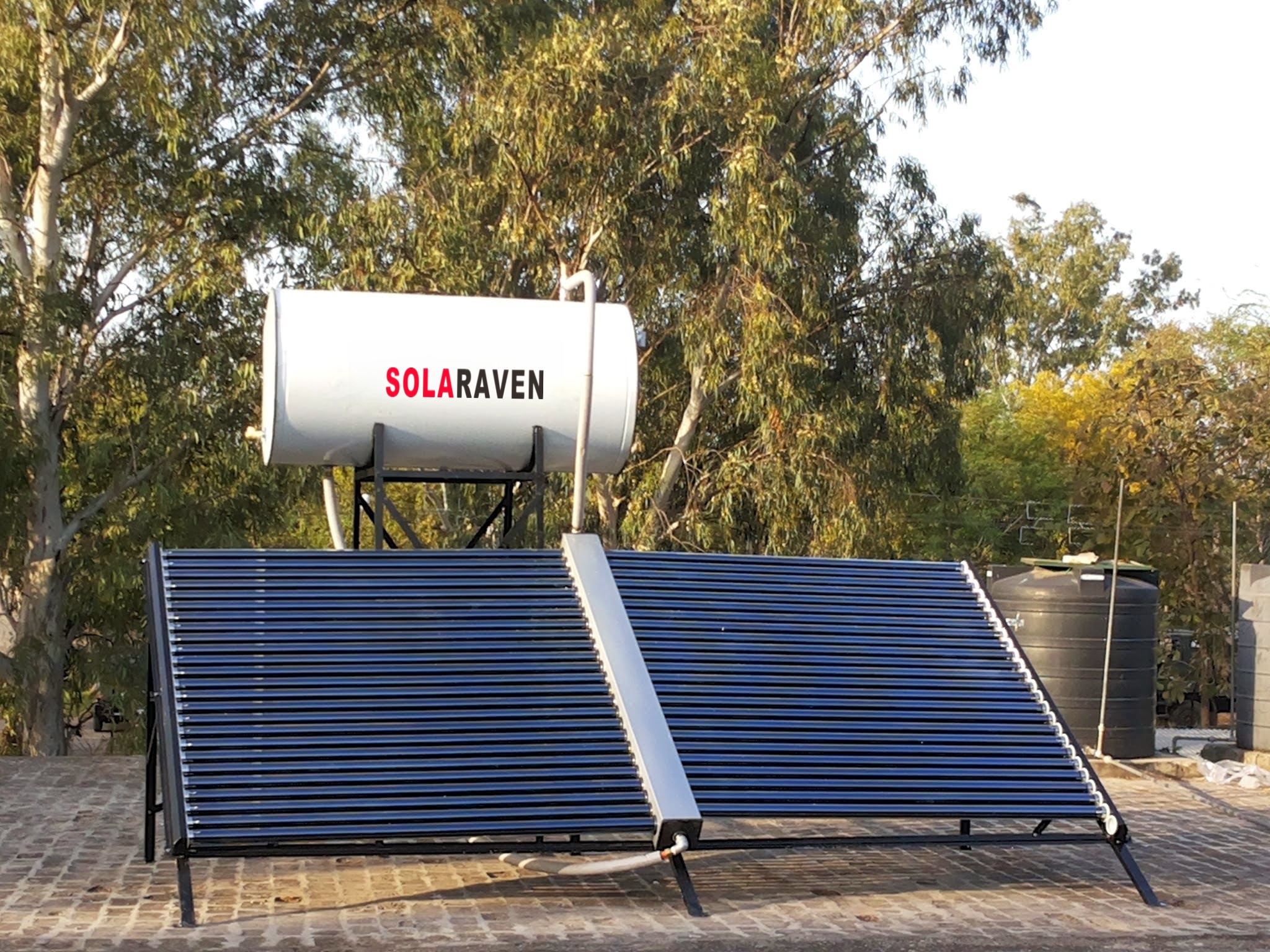
Evacuated Tube Collectors: These occupy the highest efficiency tier. Rows of transparent glass tubes contain internal metal absorber pipes. Vacuum-sealed glass prevents internal heat loss. They consistently remain operational in extreme cold. Testers have verified their functionality in temperatures plummeting to -40°F.
Use this simple chart to cross-reference system mechanics with your local weather.
System Model | Pump Required? | Climate Suitability | Best Use Case |
|---|---|---|---|
Active Direct | Yes | Tropical / Mild | High daily usage in warm coastal areas. |
Active Indirect | Yes | Freezing / Seasonal | Four-season environments requiring antifreeze protection. |
Passive Thermosyphon | No | Moderate / Warm | Budget-conscious buyers wanting zero pump maintenance. |
You must address structural and operational risks before purchasing hardware. Overlooking these factors leads to costly property damage and frustrating cold showers.
Your property demands a strict site assessment. The collectors require a minimum of five hours of unshaded, direct daily sunlight to function optimally. You must verify your roof's structural integrity. A dedicated Solar Panel Water Heater setup adds considerable dead load. Filled collectors weigh hundreds of pounds. Passive ICS systems pose the highest risk because heavy storage tanks sit directly on the roof structure.
These systems are not completely standalone solutions. The Department of Energy (DOE) recommends maintaining residential water temperatures at 135°F to prevent bacterial growth. A multi-day winter storm will drain your thermal reserves. You must integrate a gas or electric backup heater. This combined approach guarantees seamless hot water delivery during prolonged overcast weather.
Expect some ongoing maintenance. Active indirect systems require periodic checks of their antifreeze fluid levels. Mechanics must verify pump operation annually. Regular flushing prevents mineral scaling inside the pipes. Ignoring these basic checkups invites freezing events and catastrophic pipe ruptures.
Avoid impulse purchases. Use this standardized five-step framework to confidently source, size, and install your system.
Step 1: Audit Site Viability. Confirm your roof orientation. True South provides optimal exposure in the Northern Hemisphere. Check for encroaching tree lines or neighboring buildings casting long afternoon shadows.
Step 2: Calculate Capacity Needs. Size the collector footprint and storage tank based on your household size. Do not guess. Use the DOE benchmark. They estimate 64.3 gallons of daily hot water usage for a standard three-person home.
Step 3: Verify Performance Metrics. Shortlist units based on independent performance scores. Look at the Solar Energy Factor (SEF). Optimal ranges fall between 2.0 and 3.0. Next, check the Solar Fraction (SF). Aim for a SF rating between 0.5 and 0.75 for maximum efficiency.
Step 4: Check Compliance and Incentives. Never assume a product qualifies for federal tax credits. Ensure the exact model carries Solar Rating & Certification Corporation (SRCC) approval. The IRS strictly mandates this certification.
Step 5: Procure Local Bids. Compare at least three quotes from specialized local installers. Factor in state-specific property tax exemptions or local sales tax holidays. Local experts understand regional permitting codes better than national salespeople.
A solar panel water heater remains a highly worthwhile investment for specific homeowners. It makes incredible financial sense if you face punishing local utility rates, possess limited roof space, and receive abundant daily sun exposure. The upfront costs feel steep, but the ongoing monthly savings rapidly justify the initial capital outlay.
Next Steps:
Pull your last twelve months of utility bills.
Calculate your current water heating spend by estimating it at roughly 15% of your total energy cost.
Confirm your roof faces South and lacks major shade obstructions.
Contact three SRCC-certified installers to schedule a professional site audit.
A: It depends on the system type. Passive systems rely entirely on gravity and natural heat convection, meaning they work flawlessly without grid power. Active systems require electricity to run their circulation pumps. If the grid fails, active systems stop circulating fluid unless you connect the pump to a small battery or dedicated solar backup.
A: No. Heating a swimming pool requires completely different hardware. Pool systems use unglazed plastic collectors designed to move massive volumes of water at lower temperatures. Furthermore, pool heating setups strictly do not qualify for the 30% federal residential tax credit.
A: They boast exceptional longevity. A properly installed system reliably lasts 20 years or more. You must diligently replace the sacrificial anode rod every few years and routinely check antifreeze fluid levels to reach this lifespan.


