

Views: 0 Author: Site Editor Publish Time: 2026-04-15 Origin: Site


Hybrid systems combining a solar thermal loop and an on-demand backup offer maximum energy efficiency. However, they introduce unique, compounding maintenance requirements you must carefully manage. Neglecting the primary solar loop degrades essential heat transfer. This failure forces your tankless unit to overwork constantly. Furthermore, ignoring the on-demand heating component risks severe mineral scaling and eventual total system failure. These dual risks quickly inflate your overall operating costs and reduce system lifespan.
Our objective is straightforward. We provide a definitive, operational framework to maintain both critical subsystems effectively. You will learn actionable steps to secure the long-term return on investment for your equipment. Proper upkeep prevents sudden disruptions and avoids costly emergency repairs.
By following these specific protocols, you keep crucial manufacturer warranties fully intact. You protect your home from water damage and ensure reliable hot water delivery year-round. Consistent maintenance transforms an expensive utility asset into a reliable, high-performance engine for your household.
A tankless solar water heater requires independent servicing for both the solar collector loop and the on-demand heating unit.
Annual descaling (45–60 minutes) is non-negotiable for the tankless heat exchanger, with frequency increasing to every six months in hard water areas.
Solar transfer fluids (propylene glycol) degrade into corrosive acids over 3–5 years and must be tested using a refractometer.
DIY maintenance carries inherent risks; improper flushing or fluid replacement will typically void manufacturer warranties.
"Stagnation" during vacations—where unused fluid boils and damages pipes—can be prevented using physical covers on solar collectors.
A Tankless Solar Water Heater integrates two distinct technologies into one seamless operation. The solar pre-heating loop captures renewable energy to warm your domestic water supply. This heated water then flows into the tankless backup unit. If the water reaches your target temperature, the tankless unit remains dormant. It burns no fuel and consumes no electricity. However, system overlap realities demand strict upkeep. If solar fluid degrades, thermal transfer drops. Cold water enters the backup heater, forcing it to ignite repeatedly. This overworking inflates your Total Cost of Ownership (TCO) through higher utility bills and premature component wear.
Maintaining this hybrid system requires addressing three primary vulnerability points. Neglecting any single point threatens the entire configuration. We detail these core failure points in the table below.
Vulnerability Point | Location | Primary Consequence of Failure |
|---|---|---|
Mineral Scaling | Tankless Heat Exchanger | Restricted water flow, internal overheating, and ruptured heating elements. |
Acidic Degradation | Solar Antifreeze Fluid | Chemical breakdown turns safe fluid into acid, eating through copper piping. |
Galvanic Corrosion | Pipe Junctions | Electrolysis between dissimilar metals causes leaks and weak structural joints. |
Safety remains the highest priority before opening any appliance panels. You must perform a mandatory safety check to prevent electrical shock or gas leaks. Always isolate the unit from external power and water supplies completely.
Disconnect the main electrical supply by flipping the dedicated breaker switch.
Shut off the main gas supply valve connecting to the heater.
Close the cold water inlet valve completely.
Close the hot water outlet valve to isolate the unit from your home plumbing.
Carefully open the pressure relief valve to bleed off trapped internal pressure.
Hard water deposits calcium and magnesium inside the narrow pathways of the heat exchanger. You must flush the system regularly to remove this destructive mineral scale. Connect a submersible pump to the designated service valves. Submerge the pump in a clean bucket containing white vinegar or a manufacturer-approved descaling solution.
Activate the pump and circulate this acidic solution through the unit. Maintain this active circulation for 45 to 60 minutes. This duration allows the acid to fully dissolve hardened mineral buildup. Afterward, flush the entire unit using clean, fresh water for ten minutes to remove residual vinegar.
This process delivers immediate operational benefits. It restores original flow rates and prevents dangerous internal temperature spikes. Furthermore, a clean heat exchanger drastically reduces overall energy consumption.
Your heating unit relies on clean filters to operate efficiently. Inspect the inline water filters and carefully remove trapped sediment. Next, clean the air intake screens. Blocked air intakes choke the combustion process, leading to misfires or complete shutdown.
Condensing models require specialized condensate management. These highly efficient units extract extra heat from exhaust gases, creating liquid condensation. This exhaust condensation is inherently acidic. Check the condensate neutralizer bed regularly. You must ensure the neutralizing media (usually calcium carbonate chips) remains active. Acidic runoff must be properly neutralized before draining. Otherwise, it will silently corrode your household plumbing pipes from the inside out.
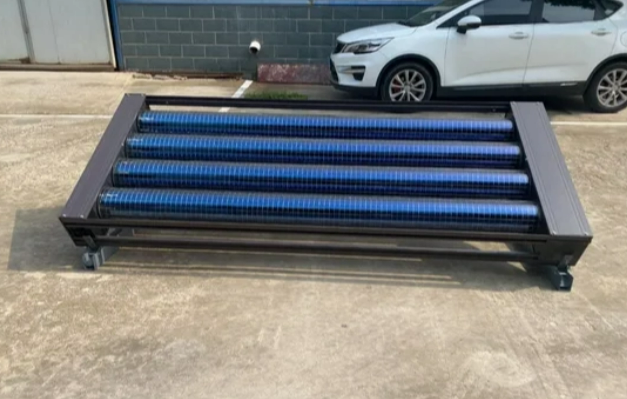
Maintaining a dedicated Solar Water Heater loop ensures maximum thermal absorption. Most active systems use non-toxic propylene glycol as a freeze-protection fluid. Over time, repeated thermal cycling breaks down this chemical structure. This creates a severe acid risk. Degraded glycol turns highly acidic and aggressively attacks copper components. Visually inspect all pipe fittings for a crusty "blue residue." This blue buildup acts as a primary indicator of acidic degradation and active copper corrosion.
You cannot judge fluid health by color alone. Use a specialized tool called a refractometer to verify the exact freeze protection level. Apply a few drops of the fluid to the refractometer lens and read the measurement. Industry standards require you to flush and replace this fluid every 3 to 5 years.
Plumbing systems often utilize multiple metal types. Check the physical junctions where dissimilar metals meet, such as copper piping connecting to a galvanized steel tank. When water flows between two different metals, an electrochemical reaction occurs. This reaction strips electrons from one metal, causing rapid galvanic corrosion.
You must ensure dielectric unions or bimetallic connectors are properly installed at these junctions. These specialized fittings contain a plastic sleeve or rubber gasket. This non-conductive barrier breaks the electrical path. Inspect these unions annually to ensure they remain intact and leak-free.
Your rooftop collectors endure harsh environmental conditions daily. Visually inspect the solar collectors for physical glass damage. Check for new shading problems caused by growing vegetation or new construction. Wipe away accumulated dirt, dust, or bird droppings. Dirty glass significantly reduces solar energy absorption.
Next, verify your exterior piping insulation integrity. Sun exposure and weather degrade foam insulation quickly, exposing bare pipes to freezing air. Ensure the exterior pipes maintain a continuous minimum slope of 0.25 inches per foot. This specific pitch allows proper gravitational drainage, preventing trapped water from freezing and bursting the lines.
Extended absences hide a severe operational danger known as stagnation. When you leave for vacation, your household draws no hot water. However, the sun continues heating the rooftop collectors intensely. The trapped solar fluid absorbs this thermal energy continually until it boils off. This extreme boiling triggers pressure relief valves to vent steam aggressively. Without intervention, boiling fluid can easily burst weak pipe joints and destroy expensive roof components.
You must implement physical mitigation strategies before leaving for long summer vacations. Do not simply unplug the circulation pump, as stagnant fluid will boil faster. Instead, climb to the roof safely and cover the solar collectors. Use heavy drop cloths, canvas tarps, or specialized solar covers. Secure them tightly against high winds. This physical barrier blocks direct thermal gain entirely, keeping the fluid cool and safe while you are away.
Your system utilizes mechanical failsafes to handle unexpected pressure spikes. The most critical failsafe is the temperature and pressure (T&P) relief valve. Test these T&P valves twice a year. Lift the metal lever gently and ensure water discharges freely through the drain tube. The valve must snap back into place and seal completely without dripping. If a valve sticks or continuously weeps water, replace it immediately. Functional T&P valves actuate smoothly and handle emergency pressure spikes safely.
Homeowners often debate handling maintenance tasks themselves to save money. However, DIY maintenance introduces a dangerous warranty compliance trap. Cleaning air intake screens or rinsing water filters remains a perfectly safe DIY task. Conversely, deep chemical descaling and glycol fluid replacement usually require a licensed professional. Manufacturers explicitly state their terms in the user manual. Improper DIY flushing or using the wrong antifreeze mixture will immediately void the manufacturer's limited warranty.
You must analyze the Total Cost of Ownership (TCO) rationally. Hiring a professional involves an upfront cost, but it acts as an insurance policy against catastrophic failure. We provide a comparative summary chart below to illustrate this financial logic.
Maintenance Strategy | Estimated Annual Cost | Financial Risk / Consequence |
|---|---|---|
Total Neglect | $0 upfront | $3,000+ for premature heat exchanger failure or blown solar collectors. |
Full DIY Servicing | $40–$80 (fluids/tools) | High risk of voiding $2,000+ factory warranty due to improper procedures. |
Professional Contract | $150–$300 annually | Secures warranty, maximizes efficiency, and guarantees a 15-20 year lifespan. |
Not every local plumber possesses the necessary skills for hybrid equipment. When hiring a technician, apply strict shortlisting logic. Verify the contractor holds active certifications for both distinct systems. Look for a North American Board of Certified Energy Practitioners (NABCEP) certification for the solar thermal loop. Additionally, demand proof of certification for tankless gas or electric installations from specific brand manufacturers. Hiring a fully qualified professional guarantees accurate fluid handling and thorough internal component checks.
Maintaining a hybrid thermal setup is ultimately an exercise in proactive risk management and efficiency preservation. You must address both the sun-powered thermal loop and the internal backup heater simultaneously. Ignoring either component creates a cascading failure effect across the entire plumbing network. Proper attention protects your upfront investment and guarantees long-term energy savings.
We recommend instituting a strict, non-negotiable annual service calendar for your home. Monitor your municipal water hardness actively to adjust your descaling frequency as needed. Hard water requires servicing every six months, rather than annually. Finally, rely exclusively on certified professionals for hazardous tasks like acidic fluid handling and internal heat exchanger diagnostics. Consistent, professional care ensures your equipment delivers endless hot water for decades.
A: You should flush the system annually for standard municipal water. However, you must flush it every 6 months for homes experiencing untreated hard water or exceptionally high-volume daily usage. Frequent flushing dissolves mineral scale before it restricts internal water flow.
A: Blue corrosion indicates the propylene glycol antifreeze has aged, oxidized, and turned highly acidic. This acidic fluid aggressively eats away at your copper fittings. You must schedule an urgent fluid replacement to prevent catastrophic pipe ruptures.
A: Yes. Manufacturers explicitly exclude damage caused by mineral scale buildup from their coverage. Furthermore, improper DIY servicing or failing to provide professional service records will quickly void your factory warranty limitations.
A: Do not simply unplug the circulation pump. Stagnant fluid will remain trapped and boil violently under direct summer sun. Instead, securely cover the roof solar collectors with heavy tarps to prevent heat absorption before powering down the circulation system.


