

Views: 0 Author: Site Editor Publish Time: 2025-11-03 Origin: Site


Installing a solar geyser is an excellent way to harness renewable energy for your hot water needs, reducing both your electricity bills and environmental impact. This guide will walk you through the essential steps of selecting, preparing, and installing a solar geyser system, ensuring you enjoy reliable hot water while contributing to a sustainable future. Whether you opt for an active or passive system, understanding the installation process will help you make informed decisions for your home.
A solar geyser is a system that heats water using the sun’s energy. It mainly consists of solar panels, a water tank, and sometimes a pump. The panels absorb sunlight and convert it into heat. This heat warms the water stored in the tank. You can then use this hot water for showers, washing dishes, or cleaning. It’s a clean and cost-effective way to get hot water without relying heavily on electricity or gas.
There are two main types of solar geysers: active and passive. Each works differently and suits different needs.
● Active Solar Geysers: These systems use a pump to move water between the panels and the tank. The pump circulates water, helping it heat faster and more evenly. Active systems need electricity to run the pump, so they work best in homes with reliable power.
● Passive Solar Geysers: These rely on natural water movement caused by heat differences. Hot water rises naturally, so no pump is needed. This makes passive systems simpler and cheaper to maintain. However, they might not heat water as quickly or work well in colder climates.
Choosing between active and passive solar geysers depends on your home’s conditions and needs.
● Efficiency: Active systems generally heat water faster and maintain a steady temperature. Passive systems can be less efficient but still effective in sunny areas.
● Cost: Passive geysers usually cost less upfront and have lower maintenance. Active geysers cost more because of the pump and controls.
● Installation: Passive systems are simpler to install. Active systems need more planning due to electrical components.
● Reliability: Active systems depend on electricity, so they might not work during power outages. Passive systems work without electricity, making them more reliable in such cases.
Feature | Active Solar Geyser | Passive Solar Geyser |
Water Circulation | Pump-driven | Natural convection |
Electricity Need | Yes | No |
Installation Cost | Higher | Lower |
Maintenance | Moderate (pump upkeep) | Low |
Efficiency | Higher, consistent heating | Moderate, depends on sunlight |
Reliability | Dependent on power supply | Independent of power supply |
Understanding these differences helps you pick the right solar geyser for your home’s hot water needs and budget.
Active solar geysers require a reliable power source to operate pumps, so consider your home's electricity stability before choosing this type.
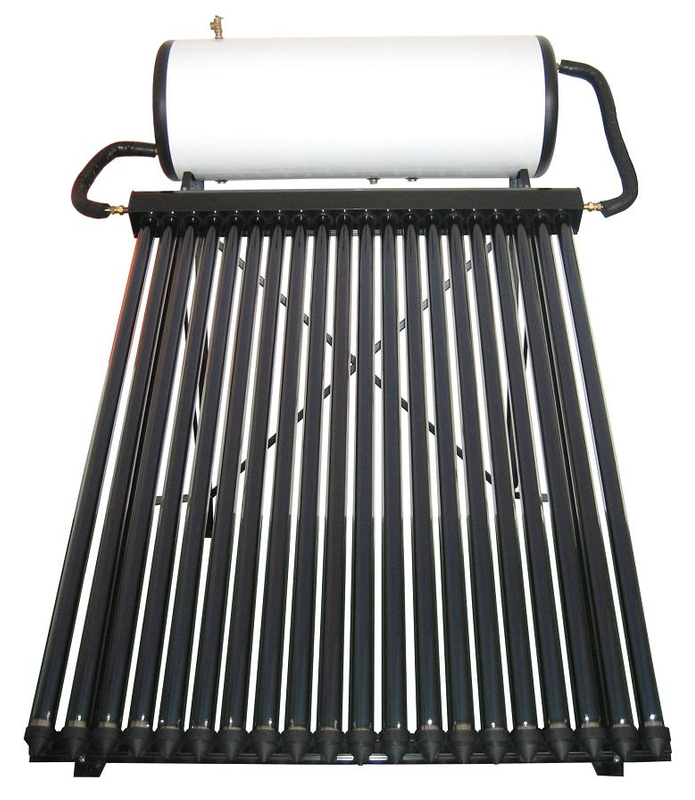
Before installing a solar geyser, check if your home and roof can support it. Start by looking at your roof’s orientation. Ideally, it should face the equator—south in the Northern Hemisphere or north in the Southern Hemisphere—to catch the most sunlight. Make sure the roof has enough space for the solar panels and water tank. Also, look for any shade caused by trees, buildings, or chimneys that could block sunlight during the day.
Next, assess the roof’s strength. Solar geysers and panels add weight, so your roof must be sturdy enough. If unsure, consult a structural engineer or a professional installer. They can verify if your roof can handle the load safely.
Choosing the right size for your solar geyser is crucial for meeting your household’s hot water needs without wasting energy. Capacity depends on how many people live in your home and their typical water use. For example, a family of four usually needs a storage tank between 150 to 200 liters.
Climate matters too. In colder regions, you might need a larger tank or a system with better insulation to keep water hot longer. A professional installer can help calculate the exact capacity by considering your household size, climate, and daily hot water use.
To estimate your household’s hot water demand, think about how many bathrooms you have and how often hot water is used. Typical uses include showers, dishwashing, laundry, and handwashing. For example, a shower uses about 10 to 20 liters of hot water per minute.
Calculate the total daily hot water usage by adding up all these activities. This estimate helps determine the solar geyser size and the number of solar panels needed. Keep in mind that peak demand times, like mornings and evenings, require enough hot water stored in the tank.
Properly assessing your home’s suitability and accurately estimating hot water demand ensures your solar geyser system performs efficiently and lasts longer.
Start by securely mounting the solar panels on your roof or a suitable structure. Choose a spot that gets the most sunlight all day long, free from shade caused by trees, chimneys, or nearby buildings. Use strong mounting brackets or rails designed for solar panels. Fix the panels tightly to withstand wind and weather. Make sure the roof surface can support the panels’ weight before installation.
For the best solar energy capture, position the panels facing the equator—south if you're in the Northern Hemisphere, north if in the Southern Hemisphere. Tilt the panels at an angle roughly equal to your location’s latitude plus 10 to 15 degrees. This angle helps the panels absorb sunlight more directly throughout the year. Adjusting the tilt seasonally can improve efficiency but is often unnecessary for fixed installations.
Place the water tank close to the solar panels to reduce heat loss during water transfer. The tank should be insulated well to keep water hot longer. Mount it on a sturdy platform or roof section that can bear its weight when full. Connect the piping between the solar panels and the tank carefully, ensuring all joints are tight and leak-proof. Use insulated pipes to minimize heat loss during water circulation.
Integrate the solar geyser system into your home’s current plumbing. Connect the cold water supply line to the solar water heater’s inlet. Then, link the hot water outlet from the tank to your household hot water pipes. Install valves and safety devices like pressure relief valves as required by local plumbing codes. Ensure all connections are secure and comply with regulations to avoid leaks and ensure safety.
Always hire a certified professional to install your solar geyser system to guarantee safety, compliance, and optimal performance.
Once the solar geyser is installed, the next step is connecting it to your home’s heating system. This involves linking the hot water outlet from the solar tank to your existing hot water pipes. The goal is to allow solar-heated water to flow seamlessly into your household plumbing, supplying taps, showers, and appliances.
In many homes, the solar geyser works alongside a backup heater, such as an electric or gas geyser. This backup kicks in when solar energy is insufficient, ensuring you always have hot water. To integrate both systems safely, install a mixing valve or thermostatic valve. This valve mixes hot water from the solar tank with cold water to maintain a consistent, safe temperature and prevent scalding.
Make sure all electrical and plumbing connections comply with local safety codes. Use pressure relief valves and check valves where necessary to protect the system from pressure build-up or backflow.
After connecting the solar geyser, it’s essential to check the entire system for leaks. Inspect all joints, valves, and pipe connections carefully. Even a small leak can reduce system efficiency and cause water damage.
Next, test the system’s efficiency by measuring the temperature of the water at various points—especially at the tank outlet and household taps. The water should reach the expected temperature based on your solar geyser’s specifications. Monitor the system during different times of the day to ensure it heats water effectively under varying sunlight conditions.
Also, verify the circulation pump (for active systems) operates smoothly, moving water between the panels and tank without noise or interruption. For passive systems, confirm natural convection circulates water properly.
If you notice any problems during testing, address them promptly:
● Low Water Temperature: Check for shading on panels, dirty panels, or improper panel angle. Also, confirm the pump works correctly or natural convection isn’t blocked.
● Leaks: Tighten connections or replace faulty seals and valves.
● No Water Flow: For active systems, ensure the pump is powered and functional. For passive systems, check that pipes are not blocked or kinked.
● Uneven Heating: Verify insulation on pipes and tank is intact. Sediment buildup can also reduce heating efficiency, requiring flushing.
● Pressure Issues: Make sure pressure relief valves are installed and functioning.
Addressing these issues early ensures your solar geyser operates efficiently and lasts longer.
Always perform a thorough system test after installation to catch leaks or inefficiencies early, preventing costly repairs and ensuring optimal solar geyser performance.
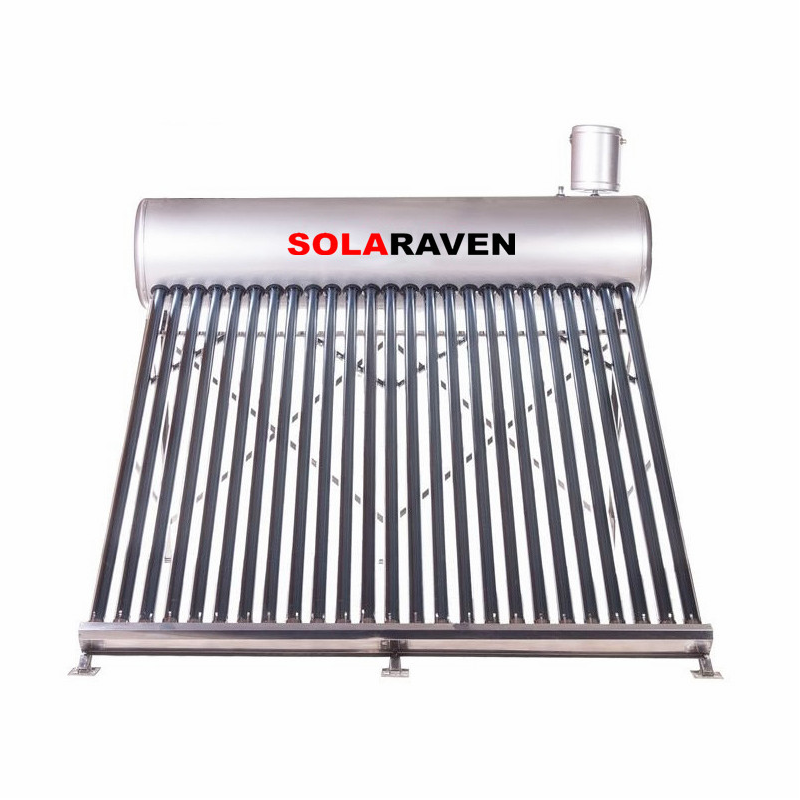
Keeping your solar geyser in top shape requires regular care. Start by inspecting the entire system every few months. Look for leaks in pipes, joints, and valves. Check the solar panels for dirt, dust, or debris that might block sunlight. Clean panels gently using water and a soft cloth; avoid harsh chemicals or abrasive tools. Also, examine the insulation around pipes and the water tank. Damaged or missing insulation can cause heat loss, reducing efficiency. If you have an active system, ensure the circulation pump works smoothly; listen for unusual noises and check electrical connections.
To get the most from your solar geyser, try adjusting the solar panels’ angle seasonally if possible. This helps capture more sunlight throughout the year. Flushing the system annually removes sediment buildup inside the water tank and pipes, which can block heat transfer and lower performance. Make sure the heat transfer fluid, if your system uses one, is at the right level and in good condition. Also, keep nearby trees trimmed to prevent shading on panels. Using a timer or controller to run the system during peak sunlight hours can further improve efficiency.
Save even more energy by insulating all hot water pipes to keep water warm as it travels through your home. Consider installing an additional insulated storage tank if your household demand is high, so you always have hot water ready without extra heating. Using a thermostatic mixing valve ensures water temperature stays safe and consistent, avoiding overheating. Lastly, monitor your system’s performance regularly and schedule professional check-ups every couple of years. These steps help you cut energy costs and extend your solar geyser’s lifespan.
Regularly clean solar panels and check insulation to maintain your solar geyser’s efficiency and reduce energy waste.
Solar geysers offer an eco-friendly way to heat water, reducing electricity costs and environmental impact. They provide reliable hot water even during power outages and are a cost-effective long-term investment. By choosing solar geysers from Changzhou Raven New Energy Technology Co.,Ltd., you benefit from innovative energy solutions that enhance efficiency and sustainability. Their products ensure optimal performance and offer significant savings, making them an ideal choice for those committed to sustainable living.
A: Installing a solar geyser reduces electricity bills by using solar energy to heat water. It lowers carbon footprints, provides hot water during power outages, and offers long-term savings. Many regions offer incentives for solar installations, making them more affordable.
A: A solar geyser uses solar panels to capture sunlight, converting it into heat to warm water in a tank. Active systems use a pump for faster heating, while passive systems rely on natural convection. Backup heaters ensure hot water availability during cloudy days.
A: Although the initial cost is higher, solar geysers are cost-effective due to savings on energy bills. Solar energy is free, reducing monthly costs. Over time, savings offset the upfront investment, increasing property value and reducing environmental impact.


