

Views: 0 Author: Site Editor Publish Time: 2026-06-25 Origin: Site


A leaking hot water cylinder may start as a small drip, but it can quickly cause water damage, pressure problems, or full tank failure. The first step is not panic repair. It is safe isolation. In this guide, you will learn how to stop further damage, find the leak source, decide what can be repaired, and know when replacement is safer.
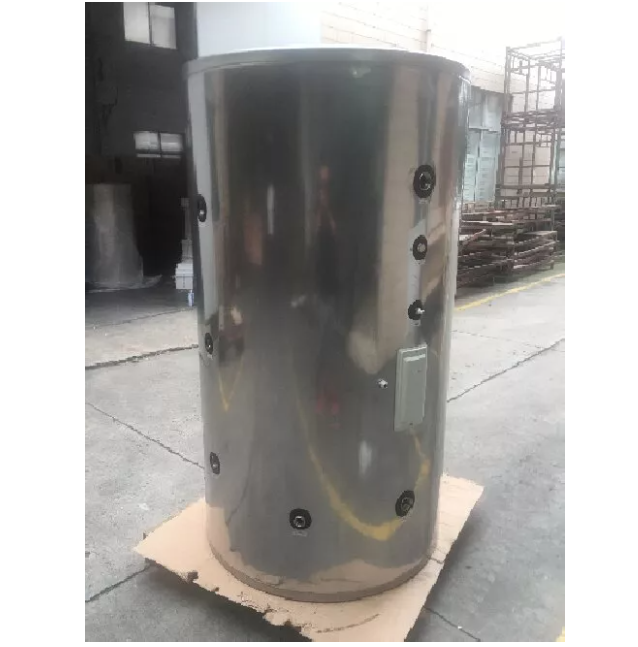
A leaking hot water cylinder needs fast but careful action. First, turn off the power or gas supply and shut off the cold water inlet. Then check whether the water comes from the cylinder itself, nearby pipework, a valve, or condensation. A hot water cylinder leaking from top often means loose fittings. A side leak may involve the relief valve, pressure valve, or overflow pipe. A hot water cylinder leaking from bottom can be caused by the drain valve, sediment, or internal corrosion. Simple valve or connection leaks may be repaired, but tank body leaks, welded seam leaks, or repeated cylinder leaks usually mean replacement is the safer choice.
Before inspecting the leak, make the system safe. If it is an electric hot water cylinder, switch off the correct breaker. If it uses gas, turn the control to off or pilot only if you know how to do it safely.
Water near electrical parts can create shock risk. If the leak is close to wiring, heating elements, or controls, stop and call a qualified technician.
Find the cold water inlet valve feeding the hot water cylinder and turn it off. This prevents more water from entering the tank and helps reduce flooding.
If the valve is stuck, do not force it. Use the main water shut-off valve instead. A broken valve can make the leak worse.
Use towels, a tray, or a wet vacuum to control water around the cylinder. If water is escaping quickly, the cylinder may need partial draining by a technician.
Take photos of the leak, wet areas, and nearby parts. This helps explain the problem when asking for repair support.
Dry the outside of the cylinder and nearby pipes. Then watch where new water appears. The leak may come from a pipe joint, relief valve, overflow pipe, drain valve, or another nearby plumbing part.
Note: If water is spraying, the floor is flooded, or you smell gas, leave the area and call a qualified emergency service.
A hot water cylinder leaking from top often points to the cold water inlet, hot water outlet, or nearby pipe connections. These joints can loosen because of vibration, heat expansion, or recent plumbing work.
If water appears around a threaded connection, fitting, or union, the issue may be repairable. The part may need resealing, tightening, or replacement. Avoid overtightening, because it can damage threads or fittings.
A side leak often involves the hot water cylinder relief valve, pressure valve, or overflow pipe. A relief valve is a safety part. It releases water when pressure or temperature rises too high.
If the hot water cylinder overflow pipe leaking issue happens only once, the valve may have opened for safety. If it drips all day, the valve may be faulty, the pressure may be too high, or the thermostat may need checking.
A hot water cylinder leaking from bottom needs careful inspection. Water at the base may come from the drain valve, a loose connection, or condensation running down the side.
If the drain valve is wet, the valve seal may be worn. If water comes from under the tank body, the cylinder may be corroded inside. In that case, replacement is usually safer than repair.
If water appears on the tank wall itself, treat it as serious. It may mean internal corrosion, a crack, or damage near a welded seam. These leaks are rarely safe to patch.
A tank body leak can get worse without warning because the cylinder stores hot water under pressure.
A slow drip from a valve may point to a small fault. A steady stream from the body or base is more urgent. A leak that appears only during heating may relate to pressure expansion, thermostat problems, or relief valve operation.
Leak Location | Possible Cause | Repair Outlook |
Top fittings | Loose inlet or outlet connection | Often repairable |
Side valve | Relief valve or pressure issue | Repairable after diagnosis |
Overflow pipe | High pressure or valve discharge | Needs pressure check |
Drain valve | Worn seal or faulty valve | Usually repairable |
Tank body | Corrosion or crack | Usually replace |
Bottom base | Drain valve or internal failure | Depends on source |
Pipe fittings can loosen after years of heating and cooling. Recent renovations, tap replacement, shower upgrades, or pipe movement can also disturb connections.
Look for water around nuts, unions, elbows, and pipe entries. If a fitting moves easily by hand, stop using the system and get it checked.
The cylinder drain valve sits near the lower part of many tanks. It is used during draining, flushing, or maintenance. Sediment, worn seals, or poor closing can cause a hot water cylinder valve leak.
Sometimes the valve only needs adjustment. In other cases, replacement is better.
A hot water cylinder pressure leak can happen when incoming water pressure is too high. Extra pressure stresses valves, fittings, and the tank. It may also cause the relief valve or overflow pipe to discharge.
Pressure changes can happen after plumbing upgrades or local water supply changes. A pressure-reducing valve may be needed if pressure remains too high.
The relief valve protects the cylinder from unsafe pressure or temperature. If it leaks, do not plug it or cap the discharge pipe. That can create a dangerous pressure problem.
A leaking relief valve may be faulty, dirty, or reacting to high pressure. The real cause should be found before replacing parts.
Age, hard water, and poor maintenance can lead to corrosion. Sediment can collect at the bottom of the tank. Over time, it may reduce efficiency, create noise, and increase tank stress.
Corrosion inside the tank is hard to repair. Rust-colored water, repeated leaks, or metal stains often mean the cylinder is near the end of service life.
If the leak comes from a visible pipe fitting, a technician may tighten or reseal it. This is one of the simpler hot water cylinder leak repair cases.
The key is care. Too much force can damage threads, bend pipework, or create a bigger leak. For new installations or recent repairs, seals should also be checked.
If water comes from the drain valve, the valve may be dirty, partly open, or worn. First, confirm it is fully closed. If it still drips, it may need a new washer, cap, or complete valve replacement.
A drain valve repair may require partial draining. It should be done only after power and water are isolated.
If the hot water cylinder relief valve leaking issue is continuous, inspect the discharge pipe. Water dripping from this pipe may mean the valve is releasing pressure. It may also mean the valve cannot close properly.
The fix may involve valve replacement, thermostat adjustment, or pressure control. If pressure is the real problem, a new valve may start leaking again.
If high pressure causes the leak, the system may need a pressure-reducing valve, expansion control valve, or expansion vessel. The right solution depends on local plumbing rules and system design.
This is important for pressurized hot water cylinders. They provide stable water delivery, but they must be protected by correct safety valves and pressure controls.
Note: Never block an overflow pipe or relief valve outlet. These parts protect the cylinder from unsafe pressure.
Some cylinders leak near the heating element after repair or replacement. The seal may be damaged, uneven, or poorly fitted. If this happens soon after service, the element area should be checked again.
Element work involves electricity and water. It should be handled by a qualified person.
Flushing may help when sediment causes poor performance or valve trouble. It can remove loose mineral buildup from the lower tank area.
However, flushing will not fix corrosion or a cracked tank. Older cylinders need extra care because disturbing old fittings can create new leaks.
If water comes from the tank body or welded seam, replacement is usually safer. Patching the outside does not solve the internal weakness. The cylinder still holds hot water under pressure.
A welded seam leak can grow after the cylinder heats, cools, and repressurizes.
Rusty water, metal stains, and repeated valve trouble can point to internal corrosion. A cylinder leak caused by corrosion is not a simple surface problem.
Repairing one part may not stop the next leak. This is why old cylinders with several faults often cost more to maintain.
If the cylinder is old, leaking, noisy, or slow to recover, replacement may be more sensible than repair. Newer hot water cylinders often offer better insulation and stronger compatibility with solar heating.
A repair is useful when the cylinder body is sound. It is less useful when the main tank is near the end of service life.
Some problems should never be handled as DIY work. These include gas fittings, electrical heating elements, pressure valve failures, and heavy leaks under pressure.
Tip: If repair cost is high, compare it with a new cylinder, future energy use, and downtime risk.
Check visible fittings, valves, and pipe entries every few months. Look for water marks, rust, damp insulation, or mineral stains. Early signs are easier to repair than hidden damage.
Keep the cylinder cupboard clear. Heavy items can knock pipework or push against valves.
If the relief valve drips often, test the incoming water pressure. High pressure can damage more than the cylinder. It can also affect taps, appliances, and pipe joints.
After local water main work or building plumbing changes, ask a technician to recheck pressure control.
Regular maintenance helps reduce sediment. It also gives a technician a chance to test valves, check seals, inspect the anode rod if fitted, and review system pressure.
Solar-compatible and heat pump-compatible cylinders should also be checked as part of the wider hot water system.
A leaking hot water cylinder needs quick action. First isolate it, then find the source. Simple valve or fitting leaks may be repaired. Tank leaks usually need replacement. Changzhou Raven New Energy technology Co.,Ltd. supplies solar water heaters, hot water cylinders, and storage tanks. Its products support stable storage, solar heating, backup heating, and efficient hot water supply.
A: You can check the source. Valve, pressure, or electrical repairs need a technician.
A: It may be the drain valve, sediment, or tank corrosion.
A: Yes. It may show high pressure or a faulty safety valve.
A: Replace it if the tank body leaks or corrosion is severe.
A: Inspect valves, control pressure, flush sediment, and schedule maintenance.


