

Views: 0 Author: Site Editor Publish Time: 2026-06-11 Origin: Site


Have you ever wondered why hot water arrives almost instantly when you turn on a tap? A hot water cylinder quietly stores heated water, keeps it warm, and sends it where you need it. In this article, you will learn how it works step by step, what parts control the heating process, and why cylinder type, pressure, and insulation affect daily hot water performance.
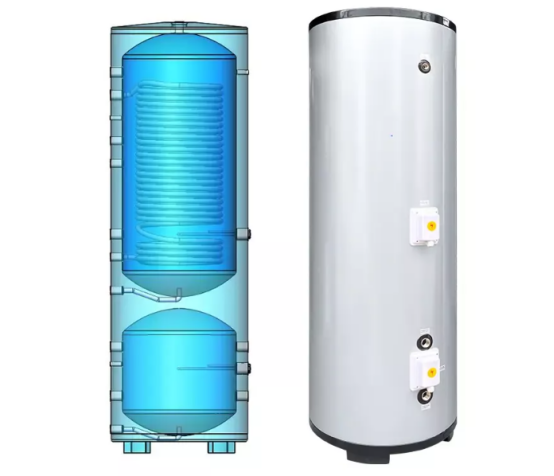
The hot water cylinder heating process starts when cold water enters the tank through an inlet pipe. In most cylinders, the cold feed enters near the lower part of the tank. This matters because cold water is denser than hot water, so it naturally stays lower inside the cylinder.
As hot water leaves the tank, new cold water enters to replace it. This keeps the cylinder full and ready for another heating cycle. In a vented cylinder, the cold water usually comes from a separate cold water tank. In an unvented cylinder, it comes directly from the mains supply.
Once cold water is inside the cylinder, it must be heated. The heating source depends on the system design. A direct cylinder usually uses an immersion heater. An indirect cylinder uses a boiler, heat pump, or another external source to send heat through a coil inside the tank.
This is the core of how hot water cylinder works: it does not usually create instant hot water like a combi system. Instead, it heats and stores water before use.
The thermostat checks the water temperature inside the cylinder. When the water falls below the set level, it tells the heating element, immersion heater, or boiler circuit to start. When the water reaches the target temperature, it stops the heat source.
This control prevents constant heating. It also helps reduce wasted energy. In many systems, the thermostat setting must balance comfort, energy use, and water hygiene. Local rules may vary, so professional guidance is useful for commercial or multi-unit systems.
As water heats, it becomes lighter and rises. Cooler water remains lower in the tank. This natural layering is called stratification. It allows the hottest water to stay near the top outlet, where it can leave the cylinder first.
This is why users may still get hot water even while cooler refill water enters the bottom. Good cylinder design protects this layering as much as possible.
When someone opens a hot tap, hot water exits from the top of the cylinder. It travels through outlet pipework to the tap, shower, basin, or appliance. The system does not “push out” hot water by itself. It depends on pressure from gravity, mains water, or pumps.
This is also where vented and unvented systems feel different. A vented hot water cylinder system relies on gravity. An unvented cylinder uses mains pressure, so it often gives stronger flow.
As hot water leaves, cold water enters again. This new water lowers the temperature inside the lower part of the tank. The thermostat senses the change and starts the heating cycle again when needed.
This cycle repeats every day. In busy homes or commercial buildings, the cylinder may cycle more often during morning and evening demand peaks.
A cylinder does not only heat water. It must also hold the heat. Insulation around the tank slows heat loss, so the system does not need to reheat water as often.
Better insulation can improve comfort and reduce energy waste. It is especially important for larger cylinders, hotel systems, staff facilities, and any site where water sits in the tank for long periods.
Tip: For B2B projects, ask suppliers about heat loss performance, insulation thickness, and recovery time, not only cylinder capacity.
The tank is the main body of the cylinder. It stores domestic hot water until needed. Its size must match real demand. A tank too small may run out quickly. A tank too large may waste energy by heating more water than the building uses.
The heating element or coil is one of the most important hot water cylinder components. In a direct cylinder, an electric heating element sits inside the tank and heats the stored water. In an indirect cylinder, a coil carries hot fluid from a boiler or heat pump, then transfers heat into the stored water.
The thermostat works like the cylinder’s control point. It helps keep water in the correct temperature range. If it fails, the water may become too cold, too hot, or slow to recover after use.
The cold feed brings water into the lower part of the tank. The hot water outlet draws from the upper area, where the hottest water collects. This pipe arrangement supports better delivery and keeps the system working in a stable pattern.
The insulation layer surrounds the tank and slows heat escape. Without good insulation, stored water cools faster. The system then needs more energy to bring it back to temperature.
Water expands when heated. For this reason, many systems need safety valves, pressure relief devices, or expansion components. These parts help manage pressure and reduce risk.
A direct hot water cylinder heats water inside the tank. It commonly uses an immersion heater, which works like a large electric heating element. When the thermostat calls for heat, electricity warms the element, and the element transfers heat to the stored water.
This setup can suit properties without a boiler connection. It can also work as backup heating in some systems. However, electricity costs and heating speed depend on local energy prices and cylinder size.
An indirect cylinder does not usually heat water by direct contact with an electric element as the main source. Instead, an external heat source warms fluid, then sends it through a coil inside the tank.
The stored water and the boiler or heat pump circuit do not mix. Heat passes through the coil wall into the cylinder water.
The heat exchanger coil is the key part in an indirect system. It gives heat a large surface area to pass through. A well-sized coil improves heating speed and recovery performance.
If the coil is too small for the building’s demand, water may take too long to reheat. If it matches the heat source and tank size well, the system can support stronger daily performance.
A direct cylinder can be simple and useful where electric heating is preferred or where no central heat source exists. An indirect cylinder may suit homes or buildings already using a boiler, heat pump, or solar thermal system.
Cylinder Type | Main Heat Source | Best Fit | Key Point |
Direct cylinder | Immersion heater or heating element | Smaller properties or backup use | Simple design, but energy cost depends on electricity price |
Indirect cylinder | Boiler, heat pump, or coil-based source | Homes or buildings with central heating | Good for larger demand when matched correctly |
Solar-compatible cylinder | Solar thermal plus backup heat | Energy-saving projects | Needs backup during weak sunlight |
Unvented cylinder | Mains-fed system | Stronger pressure needs | Requires proper safety controls |
Vented cylinder | Cold water tank and gravity | Traditional systems | Lower pressure, but simple layout |
A vented cylinder receives water from a separate cold water tank, often placed above the cylinder. The higher tank creates pressure by gravity. This design is traditional and widely understood.
Gravity pressure depends on height. The higher the cold water tank sits above the outlet, the better the pressure can be. If the height difference is small, showers or upper-floor taps may feel weak.
This explains why a vented cylinder may work well in some buildings but feel limited in others.
An unvented cylinder connects directly to the mains cold water supply. It does not need a separate cold water storage tank. This saves space and can give better pressure at taps and showers.
The phrase unvented hot water cylinder working usually refers to this mains-fed design. It heats and stores water like other cylinders, but the delivery pressure comes from mains water.
Because an unvented cylinder uses mains pressure, it often delivers stronger and more consistent flow than a gravity-fed system. It can be useful for homes with multiple bathrooms or buildings where users expect better shower performance.
A solar water tank is designed to work with solar energy. It may include a special coil or heat exchanger linked to solar collectors. The tank still stores hot water, but part of the heat can come from the sun.
The solar water tank working principle is based on heat transfer. Solar collectors capture heat, then transfer it through a fluid circuit into the tank coil. This can preheat cold water or help bring stored water closer to the target temperature.
If you looked at a solar hot water cylinder diagram, you would usually see collectors, pipework, a coil, a storage tank, controls, and a backup heat source.
Solar energy is not always enough. Cloudy weather, winter conditions, or high demand may require backup heating from an immersion heater, boiler, or heat pump. The backup system keeps hot water reliable.
Solar-compatible cylinders can reduce purchased energy when solar input is available. They are useful for projects focused on lower operating costs and better energy performance.
Tip: For hotels, apartments, and commercial buildings, review daily hot water demand patterns before choosing solar tank size.
Cylinder size must match usage. A small home may need less storage. A large household, salon, gym, or hospitality site may need more capacity. If demand is higher than stored volume and recovery speed, users will run out of hot water.
Heating time depends on tank size, incoming water temperature, heating power, and coil design. Recovery speed matters because it shows how fast the system can reheat after people use hot water.
A higher thermostat setting can store more usable heat, but it may increase energy use and scalding risk. A lower setting can save energy, but it may reduce available hot water. Safe settings should follow local codes and professional advice.
Heat loss happens when stored water cools over time. Better insulation reduces this loss. Pipe insulation also helps, especially when outlets are far from the cylinder.
Pressure depends heavily on system type. A vented cylinder depends on gravity. An unvented cylinder depends on mains pressure. Pumps may help some systems, but they add cost, noise, and maintenance needs.
This may mean the cylinder is too small, the thermostat is set too low, the heating source is weak, or demand has increased. In B2B sites, usage peaks often cause this issue.
Slow heating may point to a failing heating element, poor coil performance, scale build-up, or an undersized heat source. It may also happen when the cylinder volume is too large for the heating system.
Low pressure is common in some vented systems. It may also result from pipe restrictions, valve issues, or scale inside fittings.
If a direct cylinder gives no hot water, the immersion heater, thermostat, timer, fuse, or power supply may be involved. Electrical checks should be handled safely.
Rumbling or popping sounds can come from sediment or limescale. These deposits reduce heat transfer and may make the system work harder.
Leaks, rust marks, or water around valves should not be ignored. Small problems can become larger failures. A professional inspection can confirm whether repair or replacement is the safer choice.
Note: For business sites, record complaints, heating times, pressure issues, and service history before speaking with a supplier or engineer.
A hot water cylinder stores water, heats it, keeps it warm, and delivers it when needed.
Its type, heating method, size, insulation, and pressure design all affect comfort and efficiency.
Changzhou Raven New Energy Technology Co.,Ltd. provides solar heating products that support stable hot water supply and lower energy use.
Its solutions help users build safer, cleaner, and more reliable hot water systems.
A: A hot water cylinder stores heated water for taps and showers.
A: A hot water cylinder heats water, stores it, then delivers it.
A: A hot water cylinder uses heat, pressure, and insulation.
A: It uses mains pressure, so flow is usually stronger.
A: A vented cylinder uses a cold tank and gravity pressure.
A: Its solar water tank working principle can reduce energy use.
A: The immersion heater, heating element, or thermostat may fail.


