

Views: 0 Author: Site Editor Publish Time: 2026-06-15 Origin: Site


A hot shower should not feel like a gamble. Yet many people only think about their hot water cylinder when it leaks, rusts, or stops heating. Most cylinders last about 10–20 years, but the real answer depends on material, water quality, usage, installation, and maintenance.
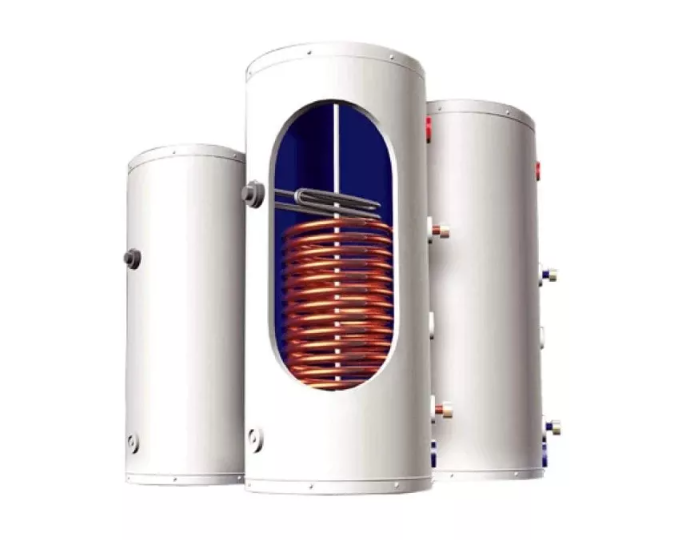
A typical hot water cylinder lifespan is often around 10–20 years, but some systems may last longer when they use durable materials and receive proper care.
The main factors that affect hot water cylinder life expectancy include water quality, corrosion risk, limescale, heating method, pressure control, and daily hot water demand.
A vented hot water cylinder may age differently from an unvented cylinder because pressure, safety controls, and servicing needs are not the same.
Clear warning signs include rusty water, leaks, noise, unstable temperature, lower hot water capacity, and visible hot water cylinder corrosion.
Regular hot water cylinder maintenance can delay failure by reducing sediment, checking valves, improving insulation, and protecting the tank interior.
Replacement is often smarter than repair when the cylinder is old, leaking, badly corroded, or needs frequent fixes.
So, how long do hot water cylinders last? In many homes, a standard storage cylinder can serve for about 10–20 years. This range is not fixed. It depends on the tank material, local water quality, daily hot water use, installation quality, and service history.
A hot water cylinder works every day. It stores heated water, keeps it warm, and delivers it to showers, taps, kitchens, laundry rooms, or heating systems. Over time, heat cycles expand and contract metal parts. Minerals settle inside the tank. Valves age. Seals harden. If the system uses an immersion heater, the element may lose efficiency.
This is why even a strong cylinder needs routine care. A well-built tank may last longer, but poor maintenance can still shorten its working life.
A vented hot water cylinder usually works with a cold-water storage tank. It often runs at lower pressure, so the tank body may face less pressure stress. However, it still needs protection from corrosion, poor water quality, heat loss, and damp installation spaces.
An unvented cylinder lifespan depends strongly on pressure control and safety parts. These systems connect directly to mains pressure, so they can deliver strong flow. However, they need correct valves, expansion control, and regular servicing. A failed safety valve, wrong pressure setting, or poor installation can shorten service life.
Tip:For unvented systems, keep a clear service record so pressure controls and safety valves are checked on schedule.
Material has a direct effect on hot water cylinder life expectancy. Stainless steel is widely used because it resists corrosion well and suits pressurized storage designs. Copper can also provide long service, but water chemistry matters. Acidic or mineral-rich water may still cause problems.
Glass-lined or enamel-lined steel cylinders use an inner protective layer. Many of them also rely on a hot water cylinder anode rod to reduce corrosion. The anode rod is designed to corrode first, helping protect the tank wall. If it is ignored for too long, the cylinder may become more exposed to internal rust.
For buyers comparing options, tank material, insulation quality, pressure rating, valve design, and service access should be reviewed together.
Electric cylinders can last many years, but the heating element and thermostat may fail before the tank body does. In hard water areas, scale can build on the element. The system then heats slower, works harder, and may use more power.
Indirect cylinders age in another way. They heat water through a coil connected to a boiler, solar collector, or heat pump. The tank may remain sound, while the coil, pump, controller, or heat exchanger loses performance. For solar or heat pump systems, a cylinder with good insulation, efficient heat exchange, and backup heating can support steadier hot water supply.
Early failure usually comes from a mix of pressure, water, heat, and neglect. A leaking hot water cylinder may start from corrosion around fittings, a damaged tank body, or old seals. Poor pipe support may place stress on connections. High temperature settings can speed scale buildup. Heavy demand can force the system to cycle too often.
Wrong sizing is another common issue. A small tank in a high-demand property works too hard. A large tank in a low-demand property may waste energy if insulation and controls are poor. In both cases, the owner pays for a mismatch.
A cylinder can last longer when the whole system is designed well. That means correct capacity, good insulation, stable pressure, clean water, proper heat source matching, and regular maintenance.
In solar or heat pump systems, the cylinder should also support steady heat transfer and low heat loss. Strong insulation, reliable pressure control, suitable coils, and backup electric heating can all help the system deliver hot water more consistently.
Water quality is one of the biggest reasons one cylinder lasts 18 years while another fails before 10. Hard water carries minerals. These minerals can settle inside the tank and form sediment or limescale. That layer can reduce heating efficiency and trap heat near the tank base or element.
Acidic water creates another risk. It may attack metals faster, especially if the cylinder material is not suitable for local water conditions. Private water sources can also vary in pH and mineral level. For larger projects or repeated installations, water testing can help reduce long-term risk.
Hot water cylinder corrosion often begins slowly. The first signs may be rusty water, stained fittings, or marks around valves. Once corrosion reaches the tank wall, repair may no longer be practical.
Usage patterns shape lifespan. A small household may draw hot water at a steady rate. A large home, hotel, dormitory, office facility, or staff accommodation may need hot water from several points at once. The system then cycles more often, and each cycle adds wear.
If the cylinder is undersized, users may raise the temperature to compensate. That can increase scale, energy use, and pressure stress. A better approach is to size the cylinder by peak demand, number of users, fixture count, and recovery time.
A good cylinder can fail early if installation is poor. It needs a stable base, correct pipe alignment, safe pressure relief, good drainage, and enough service access. If it sits in a wet plant room, damp basement, or tight cupboard, external rust may appear sooner.
Location also affects maintenance. If technicians cannot reach valves, labels, anode rods, or drain points, routine checks may be skipped. Over time, this makes old hot water cylinder problems harder to catch.
Note:Leave enough service space around the cylinder. A cramped installation can turn a simple inspection into a costly service issue.
Maintenance does not make a cylinder last forever, but it can help it reach the upper end of its expected life. A service visit may include checking the pressure relief valve, thermostat, expansion vessel, insulation, visible corrosion, drain points, and electrical backup parts.
For steel tanks, the anode rod is important. If it is completely worn, the tank wall may start to corrode faster. Checking or replacing the hot water cylinder anode rod is one of the simplest ways to reduce internal corrosion risk.
Rusty or brown hot water is one of the clearest signs hot water cylinder needs replacing. It may mean corrosion inside the tank is breaking loose and entering the water supply. If only hot taps show discoloration, the cylinder or hot water pipework is more likely to be involved.
Visible rust also matters. Check the base, seams, valves, fittings, and pipe joints. A small rust patch may look minor, but it can point to long-term moisture, leaking, or thinning metal.
A leaking hot water cylinder needs fast attention. Some valves may release a small amount of water during pressure relief, but water pooling around the base is different. It may indicate a failing tank body, cracked lining, loose fitting, or pressure problem.
Never ignore repeated dripping. Water damage can spread into floors, walls, insulation, stock areas, or electrical zones. If an old cylinder leaks from the tank body, replacement is usually safer than repair.
Strange noise often points to sediment. As minerals settle at the bottom, water can become trapped under the layer. During heating, it may bubble, pop, or rumble. This makes the cylinder less efficient and can place extra stress on the tank.
Hissing may come from a valve, pressure issue, or heating element problem. A technician should inspect it, especially if the system is unvented or connected to a heat pump or solar loop.
If showers turn cold faster than before, the cylinder may be losing effective capacity. Sediment can reduce usable tank volume. A failing thermostat may cause unstable temperature. A damaged coil may transfer heat poorly. An old immersion heater may heat slowly.
These symptoms do not always mean the tank is finished. But when they appear along with age, rust, leaks, or rising energy bills, the hot water cylinder replacement age may be close.
A professional inspection should focus on safety and performance. The technician can check pressure controls, temperature settings, valves, thermostats, insulation, visible rust, pipe stress, and drain points.
For solar or heat pump systems, they may also check pumps, sensors, expansion vessels, coils, and heat exchanger performance. Stable system design can reduce frequent start-ups, improve hot water consistency, and reduce stress on connected equipment.
Flushing can remove loose sediment before it hardens. It helps protect heating efficiency and reduces stress around the bottom of the tank. However, very old tanks need care. If heavy sediment has already built up, disturbing it may expose weak points or block valves.
For high-demand properties, keep a written service log. It helps track inspection dates, valve changes, anode checks, temperature settings, and complaints about hot water supply.
Temperature and pressure control are critical. A thermostat set too high may increase scale and energy use. A failed pressure relief valve may create unsafe pressure. A faulty mixing valve may cause comfort or scalding issues.
Cylinder life depends not only on the tank body but also on the surrounding control and protection system. Valves, thermostats, heating elements, anodes, and insulation all play a role.
Good insulation keeps stored water hot for longer. It also reduces reheating cycles, which can lower energy waste and system stress. Cylinders used with solar or heat pump systems should keep heat loss low, because stored energy may come from limited sunlight hours or lower-temperature heat sources.
Tip:When comparing cylinders, review insulation, tank material, heat exchange design, pressure rating, and service access together.
Repair may make sense when the cylinder is not very old and the problem is limited to a replaceable part. Examples include a thermostat, immersion heater, pressure relief valve, non-return valve, or insulation issue.
If the tank body is sound and there is no serious corrosion, repair can restore normal operation. This is often true when the system has a good service record. A known history makes it easier to judge risk.
Replacement is often better when the cylinder is old, leaking, badly corroded, or failing often. If rusty water keeps returning after service, the inner tank may be deteriorating. If repair costs are rising, a new cylinder may offer better value and lower risk.
Planned replacement also gives owners time to choose the right size and design. A property moving toward solar water heating, heat pump heating, or higher hot water demand may need a cylinder with better insulation, coils, or pressure control.
The table below gives a simple way to think about repair versus replacement. It is not a final rule, but it helps guide the first conversation.
Cylinder Age | Usual Condition | Best Next Step |
|---|---|---|
Under 8 years | Often worth diagnosing | Repair may be practical if the tank body is sound |
8–12 years | Mid-life risk depends on usage and water quality | Compare repair cost, parts, efficiency, and corrosion |
12–20 years | Higher risk of leaks, corrosion, and weak parts | Plan replacement if major faults appear |
Over 20 years | Often beyond reliable service life | Replacement is usually safer for long-term use |
Waiting for failure can be costly. A burst cylinder may damage floors, ceilings, walls, stock areas, or electrical systems. Emergency replacement also gives buyers less time to compare capacity, material, heat source compatibility, and installation layout.
Planned replacement helps avoid rushed decisions. It also lets the owner upgrade to a cylinder that suits current demand, not the demand from 15 years ago.
A hot water cylinder can serve for many years when it is well sized, well installed, and properly maintained. For solar and heat pump projects, Changzhou Raven New Energy Technology Co.,Ltd. provides insulated storage solutions with pressure control, heat exchange, and backup heating options. Its products support stable hot water and better long-term energy value.
A: A hot water cylinder often lasts 10–20 years, depending on material, water quality, installation, and care.
A: Rusty water, leaks, loud noise, poor heating, and visible corrosion are key signs.
A: Valve leaks may be repairable. Tank body leaks usually need replacement.
A: Yes. Regular checks, flushing, insulation, and anode care can help it last longer.
A: Replace it when age, corrosion, leaks, and repair costs make continued use risky.


