

Views: 0 Author: Site Editor Publish Time: 2025-09-24 Origin: Site


With rising energy costs, many homeowners are turning to renewable energy solutions. Solar hot water heaters have gained popularity as an efficient, eco-friendly alternative to traditional systems.
In this article, we’ll explore whether solar hot water heaters are worth the investment. We’ll discuss the costs, savings, and environmental benefits to help you make an informed decision.
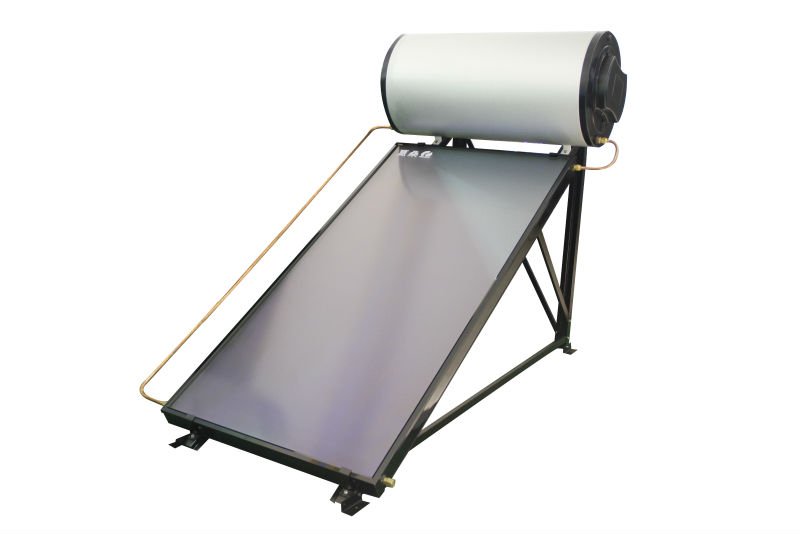
Solar hot water heaters operate by harnessing the sun's energy to heat water for household use. There are three main components involved:
Solar collectors: These are panels or tubes that absorb sunlight. They convert solar energy into heat, which is transferred to the water.
Storage tank: Once the water is heated, it is stored in a tank until needed.
Circulation system: A system of pipes moves the water or a heat-transfer fluid between the collector and the storage tank.
The primary benefit of these systems is that they replace or supplement traditional heating methods (electric or gas), reducing your reliance on grid electricity or fossil fuels.
There are two main types of solar water heaters: active and passive systems.
Active systems: These use pumps to circulate water or heat-transfer fluids through the system.
Direct circulation systems: Water is pumped directly through solar collectors and into your home.
Indirect circulation systems: A heat-transfer fluid circulates in the collectors and exchanges heat with the water through a heat exchanger.
Passive systems: These do not use pumps. Water flows naturally due to convection.
Integral collector-storage systems (ICS): Water is heated directly in a black tank or tubes that store and release the water when needed.
Thermosyphon systems: A system where hot water rises to the top of the storage tank naturally, using convection.
When choosing a solar hot water heater, efficiency is a crucial factor. Two key metrics that determine efficiency are:
Solar Energy Factor (SEF) | This measures the amount of solar energy used by the system compared to the energy from traditional sources. |
Solar Fraction (SF) | This represents the portion of hot water needs met by solar energy. |
Tip: A higher SEF and SF value means the system is more efficient, reducing your reliance on conventional energy sources and improving your savings.
The initial investment in a solar hot water heater is higher than a traditional water heater, with costs ranging from $1,800 to $5,800 depending on the system's size and complexity. However, the long-term savings can significantly offset the upfront costs:
Energy savings: A solar hot water heater can reduce your water heating bills by 50% to 80%.
On average, the payback period for a solar hot water heater is between 7 and 10 years, making it a sound long-term investment.
One of the most compelling reasons to switch to solar hot water heaters is their environmental impact:
Reduction in carbon footprint: By using clean, renewable energy, solar water heaters help reduce greenhouse gas emissions compared to traditional fossil fuel-based water heating.
Sustainability: Solar energy is abundant and sustainable, unlike natural gas or electricity from non-renewable sources.
Tip: Transitioning to solar hot water heaters is an essential step in reducing your household’s reliance on fossil fuels, making it a sustainable and eco-friendly choice.
The ROI for solar hot water heaters is an essential factor to consider. Over time, the savings from lower energy bills and available tax incentives will pay back the initial investment. Depending on your location, the ROI can vary:
In sunny regions, the ROI is quicker.
In colder climates, you may need to rely more on backup systems, which could lengthen the payback period.
Cost savings: Significant long-term savings on water heating costs.
Energy independence: Reduces reliance on fossil fuels and electricity from the grid.
Low maintenance: Once installed, solar water heaters require minimal maintenance and can last up to 20 years with proper care.
Weather dependency: Solar water heaters rely on sunlight, which means cloudy days or winter months can reduce efficiency.
Space requirements: You need ample roof space for solar panels.
Backup system: In case of insufficient sunlight, a backup electric or gas water heater may be required, increasing the overall cost.
Before purchasing a solar hot water heater, ensure your home is suitable for installation:
Roof condition: The roof should be in good shape and receive adequate sunlight (at least 5 hours per day).
Space availability: Sufficient roof space is required to install the solar panels and collectors.
Evaluate the total cost of the system, including installation and any potential maintenance fees. Consider financing options and available incentives that can help lower your initial investment.
Solar hot water heaters have a long lifespan, but they still require regular maintenance:
Inspect solar collectors: Ensure they are free from dirt or debris.
Check for leaks or corrosion: Regularly inspect the system for any issues that may affect its efficiency.
Warm climates: Solar hot water heaters are ideal for areas with consistent sunlight.
Cold climates: Indirect systems with antifreeze or backup heaters are better suited for colder regions, ensuring the system works year-round.
Solar vs. traditional electric or gas water heaters: Solar water heaters can save more money in the long term, although the initial cost is higher.
Hybrid systems: A combination of solar hot water heaters and electric or gas systems can offer the best of both worlds, providing reliable hot water during cloudy periods.
In conclusion, solar hot water heaters offer great value for those aiming to cut energy costs and reduce their environmental impact. Although the upfront cost is higher than traditional systems, long-term savings and eco-friendly benefits make them a smart choice. For those looking to invest,SOLARAVEN provides reliable, high-quality products like the Robust 150L Pressurized Solar Heater, which offers exceptional durability and energy efficiency. Consider your home’s needs and explore available incentives to make a well-informed decision.
A: Solar hot water heaters use solar energy to heat water, reducing reliance on traditional hot water heaters and cutting energy costs.
A: Yes, they offer long-term savings by reducing energy bills and have environmental benefits, although the initial investment is higher than traditional systems.
A: Solar collectors absorb sunlight, transferring heat to water in a tank through a circulation system, reducing the need for electricity or gas-powered water heaters.
A: Solar hot water heaters can reduce water heating bills by 50% to 80%, offering significant long-term savings.
A: They provide energy savings, reduce carbon footprints, and have long lifespans with minimal maintenance.


