




 Flat plate solar collectors
  Split solar water heating system
  Solar water heating system
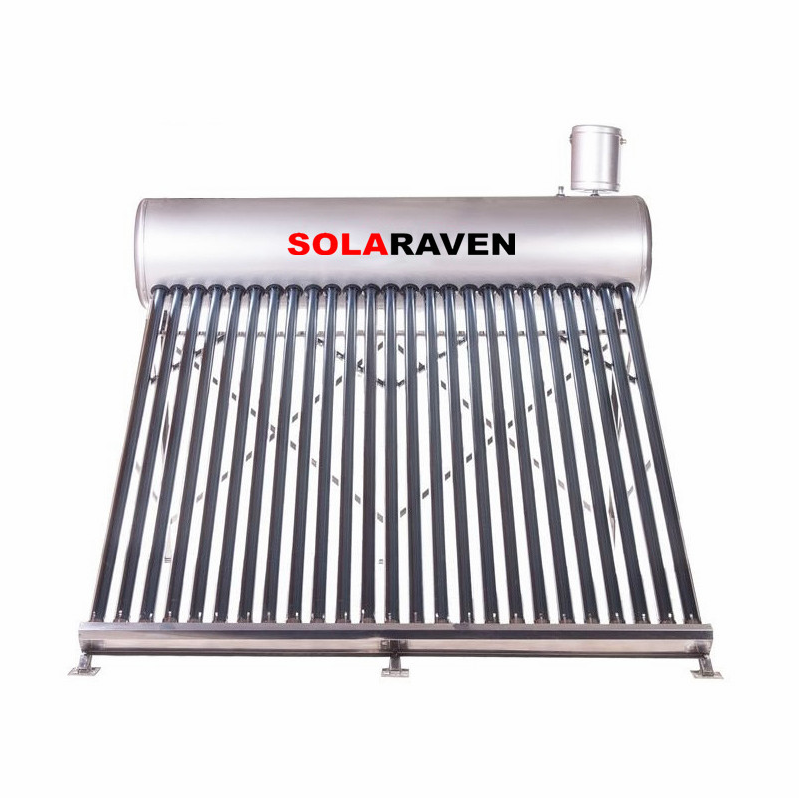
  Tube solar water heater
  300liter flat plate solar
Water heating often accounts for 18% to 25% of total home energy usage, making it one of the largest utility expenses for modern households. While switching to solar energy is an obvious solution to reduce these costs, the market is fragmented into a confusing array of technical categories. Homeowners must navigate between active and passive systems, choose between flat plates and evacuated tubes, and decide between thermal transfer or PV-hybrid technologies.

Switching to solar thermal energy is one of the most significant upgrades a homeowner can make, offering the potential to slash water heating bills by up to 80%. However, the financial reality of this investment is complex. While the long-term savings are undeniable, the upfront capital expenditure (CapEx) remains significantly higher than replacing a standard gas or electric unit. You are not just buying an appliance; you are installing a mini-utility plant on your roof.

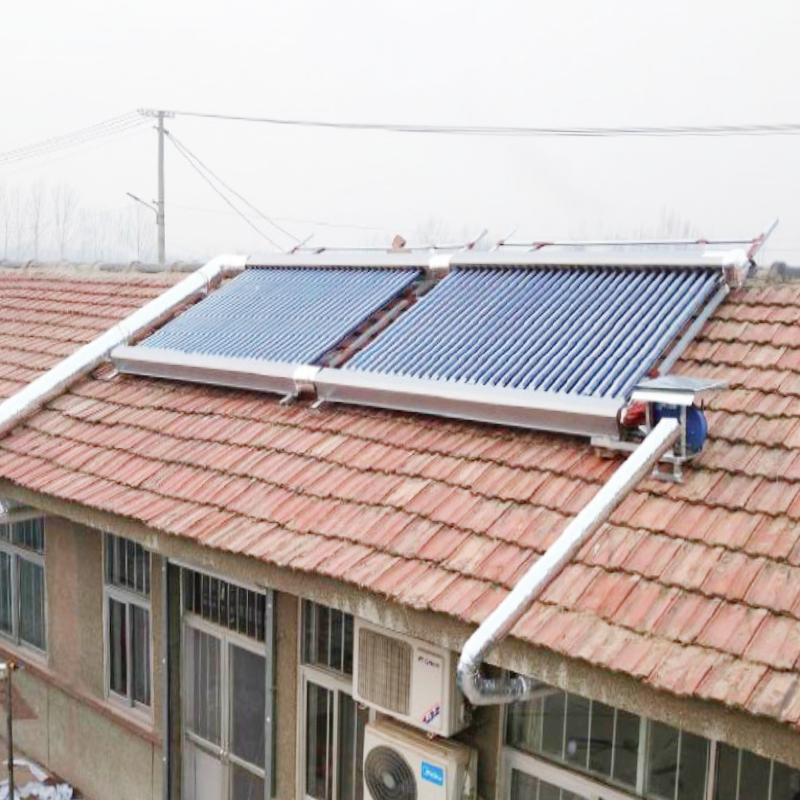
Solar thermal panels are devices that harness the sun’s energy to generate heat, which is then used to warm water or even space within a building. Unlike photovoltaic solar panels that convert sunlight into electricity, solar thermal panels focus specifically on heating applications, making them an efficient and sustainable option for energy needs.


