

Views: 0 Author: Site Editor Publish Time: 2026-01-26 Origin: Site


Solar thermal panels are devices that harness the sun’s energy to generate heat, which is then used to warm water or even space within a building. Unlike photovoltaic solar panels that convert sunlight into electricity, solar thermal panels focus specifically on heating applications, making them an efficient and sustainable option for energy needs. However, a common concern is whether these panels continue to function effectively during cloudy or winter days when sunlight is less direct. This article will explore whether solar thermal panels can still work under these conditions and how to maximize their efficiency even in less-than-ideal weather.
Solar thermal panels function by capturing sunlight and converting it into heat energy, which can be used for heating water or space. Here's a breakdown of how the system works:
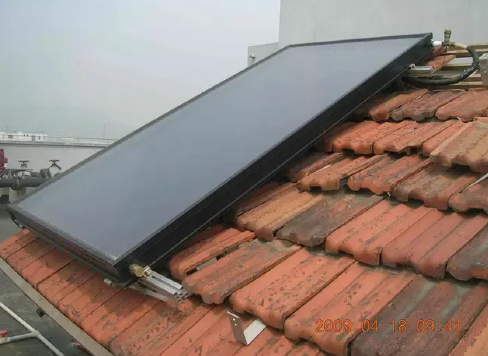
Solar thermal panels are typically made of a series of flat plates or evacuated tubes that are coated with a special material designed to absorb sunlight. When sunlight hits the surface of the panel, it is absorbed by the collector and converted into heat. These collectors are designed to maximize exposure to the sun, ensuring they capture as much energy as possible throughout the day.
Once the sunlight is absorbed, it heats a fluid (usually water or a mixture of water and antifreeze) that circulates through the panel. This fluid is heated by the sun's energy and then carried through pipes into a heat exchanger, which transfers the collected heat to the water in a storage tank.
The heated fluid or water is then stored in a thermal storage tank, which holds the hot water until it is needed. Some systems include insulated storage tanks to minimize heat loss and ensure that the water remains warm for longer periods, even when the sun is not shining. The system can be set up to automatically circulate the heated fluid as needed, ensuring a continuous supply of hot water or warmth for the home.
Solar thermal panels are designed to capture not only direct sunlight but also diffused sunlight, which is sunlight that has been scattered by clouds or atmospheric conditions. Even on cloudy days, solar thermal panels can still function effectively, although their efficiency will be lower compared to bright, sunny conditions. The panels continue to absorb the diffuse sunlight, and the system still heats the fluid circulating through the panels, though at a reduced rate. While cloudy weather can decrease energy production, solar thermal systems can still provide a reliable source of hot water or heat, especially when paired with an adequate storage tank that holds heat for use throughout the day.
Winter brings a few challenges to solar thermal systems, including shorter daylight hours, lower sun angles, and colder temperatures. The cold temperatures can reduce the efficiency of heat collection, as the temperature difference between the collector and the surrounding environment is greater. However, solar thermal panels still work efficiently when there is direct sunlight, even in winter. The key is maximizing exposure to sunlight by positioning the panels at an optimal angle and ensuring they are free from snow, ice, or debris that can block sunlight. Despite the colder weather, solar thermal systems can continue to generate heat, especially during clear, sunny winter days, making them a viable option for year-round energy use.
To ensure maximum efficiency, solar thermal panels should ideally face south in the northern hemisphere (or north in the southern hemisphere). This orientation maximizes exposure to sunlight throughout the day, especially during winter when the sun’s angle is lower.
The angle of installation should also be adjusted based on the season. During winter, when the sun is lower in the sky, panels should be positioned at a steeper angle to better capture sunlight. In summer, a flatter angle works best, as the sun is higher in the sky. Adjusting the tilt throughout the year helps maintain optimal performance regardless of the changing seasons.
Proper orientation and angle adjustment are crucial for improving solar thermal efficiency, particularly during cloudy or winter days when sunlight is less intense. This setup ensures that the panels continue to capture as much sunlight as possible, even when conditions aren’t ideal.
During winter months, snow and ice can accumulate on solar thermal panels, blocking sunlight and drastically reducing their efficiency. It’s important to remove snow promptly to maintain proper energy collection. Use a soft broom or brush to gently clear the panels, being careful not to damage the surface.
In other seasons, debris such as leaves, dust, and dirt can gather on the panels. This can obstruct sunlight and affect the system’s performance. Regularly cleaning the panels helps ensure they continue to absorb maximum sunlight. A gentle rinse with water or using a soft cloth can help keep the panels clear and efficient.
In addition to cleaning the surface of the panels, regular maintenance includes checking the system’s internal components. Inspect pipes for leaks, ensure the fluid circulation is efficient, and verify that there are no blockages. Regular maintenance ensures the solar thermal system runs efficiently year-round, preventing issues before they become costly repairs.
While solar thermal panels are an excellent renewable energy source for heating water, their performance can fluctuate based on weather conditions, especially in low light situations such as cloudy or winter days. This is where a backup heating system becomes crucial.
Even on days with minimal sunlight or during long stretches of cloudy weather, a backup heating system like an electric heater or heat pump ensures that you always have access to hot water. These systems can kick in when solar thermal panels aren’t generating enough heat, maintaining a reliable supply of hot water for daily use.
A backup system provides peace of mind, reducing the reliance solely on solar thermal panels. While solar systems are highly efficient, they depend on sunlight, which isn’t consistent year-round. A backup system ensures that your hot water needs are consistently met, regardless of weather conditions.
While using a backup system may increase energy consumption on cloudy or cold days, modern heat pumps are highly energy-efficient, using less electricity compared to traditional heating methods. By combining solar thermal panels with a backup system, you can balance energy efficiency and cost savings while ensuring reliable hot water throughout the year.
Yes, solar thermal panels can still heat water on cloudy days by capturing diffused sunlight, although efficiency may be reduced. The system continues to work by absorbing scattered sunlight, making it a reliable option even in cloudy weather.
Snow can block sunlight and reduce performance, but removing snow with a soft broom or waiting for it to melt will restore efficiency. Keeping the panels clear of snow ensures they perform optimally.
While sunlight hours are shorter and the sun’s angle lower in winter, solar thermal panels can still work effectively, especially if properly angled. A backup heating system ensures hot water supply on low-sun days.
Maximize performance by ensuring the panels are tilted for optimal sun exposure, keeping them clear of snow and debris, and incorporating a backup heating system to maintain hot water on cloudy days.
Yes, solar thermal panels can be used not only to heat water but also for space heating. The system can provide hot water and help warm your home by circulating heated fluid through a radiator or underfloor heating system.
Solar thermal panels provide a reliable and energy-efficient solution for heating water and space, even during cloudy or winter conditions. While efficiency may decrease on overcast or snowy days, these systems can still capture diffused sunlight and provide adequate heating. Proper installation, including optimal panel tilt and orientation, plays a crucial role in maximizing performance. Regular maintenance, such as cleaning snow and debris, ensures efficiency year-round.
Additionally, incorporating a backup heating system, like an electric heater or heat pump, guarantees a consistent hot water supply during low-sun periods. Solar thermal panels are versatile, serving both water heating and space heating needs, making them a sustainable choice for homeowners.
By following the right installation practices, performing routine maintenance, and utilizing a backup system, you can maximize the benefits of solar thermal technology, ensuring reliable and energy-efficient hot water year-round.


