

Views: 0 Author: Site Editor Publish Time: 2025-12-04 Origin: Site


You will notice the average water heater replacement cost in 2026 is between $1,200 and $3,500. The price depends on the kind of water heater you pick, like tank, tankless, gas, electric, or solar. Your total cost can change because of your location, how hard the installation is, and the system you want. Many homeowners now think about solar water heaters, such as the SOLARAVEN from Changzhou Raven New Energy Technology Co., Ltd., to save energy and help the environment.
In 2026, replacing a water heater costs about $1,200 to $3,500. The price depends on the type and how hard it is to install. Tankless and solar water heaters cost more at first. But they can help you save money on energy bills later. Local labor rates and installation problems can change the total price a lot. You should check for rebates and tax credits for energy-efficient models. These can help lower your costs. Doing regular maintenance helps your water heater last longer. This can save you money on repairs and getting a new one.
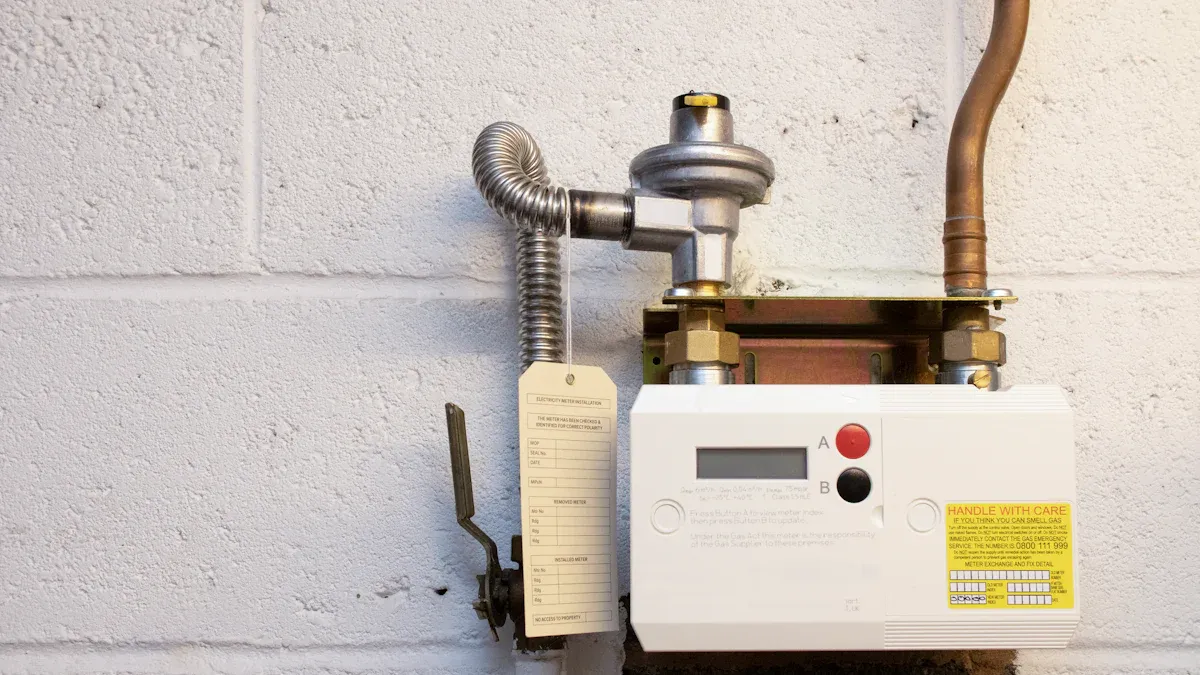
Are you wondering how much a new water heater costs in 2026? The average cost across the country is about $2,200. This price covers the water heater, the work to put it in, and basic setup. Most people pay between $1,200 and $3,500. The final amount depends on the kind of water heater you pick and how hard it is to install.
If you live in a big city, you might pay more because workers charge higher rates. In smaller towns, the price can be less. You should also think about how big your house is and how much hot water you use each day. These things help you choose the right system and not spend too much.
There are many choices when you need a new water heater. Each kind has its own price and good points. Here is an easy chart to help you compare:
Water Heater Type | Average Cost (Installed) | Key Benefits | Considerations |
|---|---|---|---|
Tank (Gas/Electric) | $1,200 – $2,500 | Cheaper at first, simple to put in | Uses more energy, only so much hot water |
Tankless | $2,000 – $3,500 | Hot water never runs out, saves energy, small | Costs more at first, may need changes |
Heat Pump | $2,500 – $4,500 | Uses less power, saves money over time | Needs space, works best in warm places |
Solar (e.g., SOLARAVEN) | $3,000 – $7,000+ | Uses sun’s energy, saves a lot in the long run | Costs a lot at first, needs sunlight |
Condensing | $2,500 – $4,000 | Saves energy, makes less pollution | Bigger size, costs more at first |
Tip: Solar water heaters like the Changzhou Raven New Energy Technology Co., Ltd. use sunlight for power. You can pay less for energy and help the planet. These work best if you get lots of sun.
You can see that the price to replace a water heater changes a lot based on what kind you get. Tank water heaters cost less at first, but tankless and solar types can save you money later. Heat pump and condensing water heaters also help you save energy, but they need special things to work well.
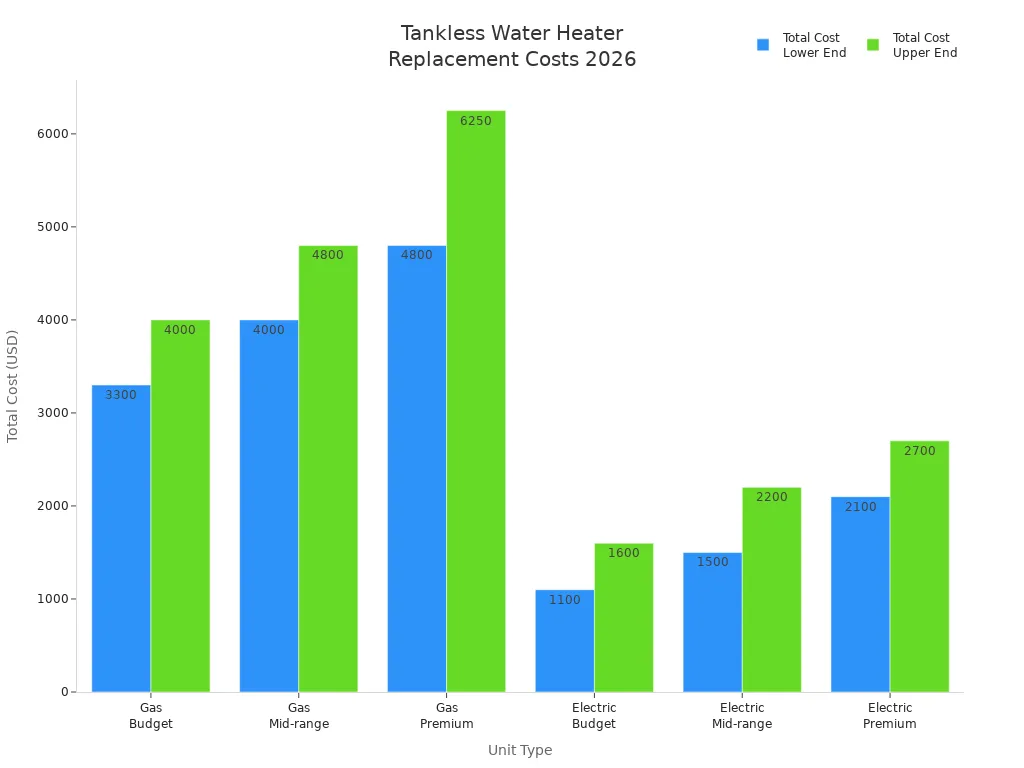
Are you curious about what a tankless water heater costs in 2026? The price depends on if you pick gas or electric. Gas tankless water heaters usually cost between $3,300 and $6,250. Electric tankless water heaters cost from $1,100 to $2,700. These prices include the heater and the work to put it in.
Here is a table that shows the cost for each type and quality:
Unit Type | Cost Range (Unit) | Labor Cost Range | Total Cost Range |
|---|---|---|---|
Gas Tankless (Budget) | $1,800–$2,000 | $1,500–$2,000 | $3,300–$4,000 |
Gas Tankless (Mid-range) | $2,000–$2,300 | $2,000–$2,500 | $4,000–$4,800 |
Gas Tankless (Premium) | $2,300–$2,750 | $2,500–$3,500 | $4,800–$6,250 |
Electric Tankless (Budget) | $800–$1,000 | $300–$600 | $1,100–$1,600 |
Electric Tankless (Mid-range) | $1,000–$1,300 | $500–$900 | $1,500–$2,200 |
Electric Tankless (Premium) | $1,300–$1,500 | $800–$1,200 | $2,100–$2,700 |
Tankless water heaters cost more than tank models. But they last longer and use less energy.
Note: Tankless water heaters can last up to 20 years. They help you save money on your energy bills over time.
Many things can change the price of a tankless water heater. You should think about these before you buy one:
Type of Unit: Gas models cost more than electric. They need venting and sometimes a bigger gas line.
Size and Output: Bigger units that heat more water cost more.
Labor and Installation: If your house needs new wires or gas lines, labor costs go up.
Efficiency and Brand: High-efficiency models and famous brands cost more.
Location: In big cities, labor costs are higher.
How much hot water your family uses also matters. If you have a big family or use lots of hot water, you may need a bigger unit.
Here is a table that compares tankless water heater costs and features:
Water Heater Type | Average Lifespan | Efficiency | Average Installed Cost |
|---|---|---|---|
Traditional tank water heater | 8–12 years | 60–65% | $1,000–$1,800 |
Gas tankless water heater | 18–20 years | 85–95% | $2,000–$4,500 |
Electric tankless water heater | 15–20 years | 90–98% | $1,200–$3,000 |
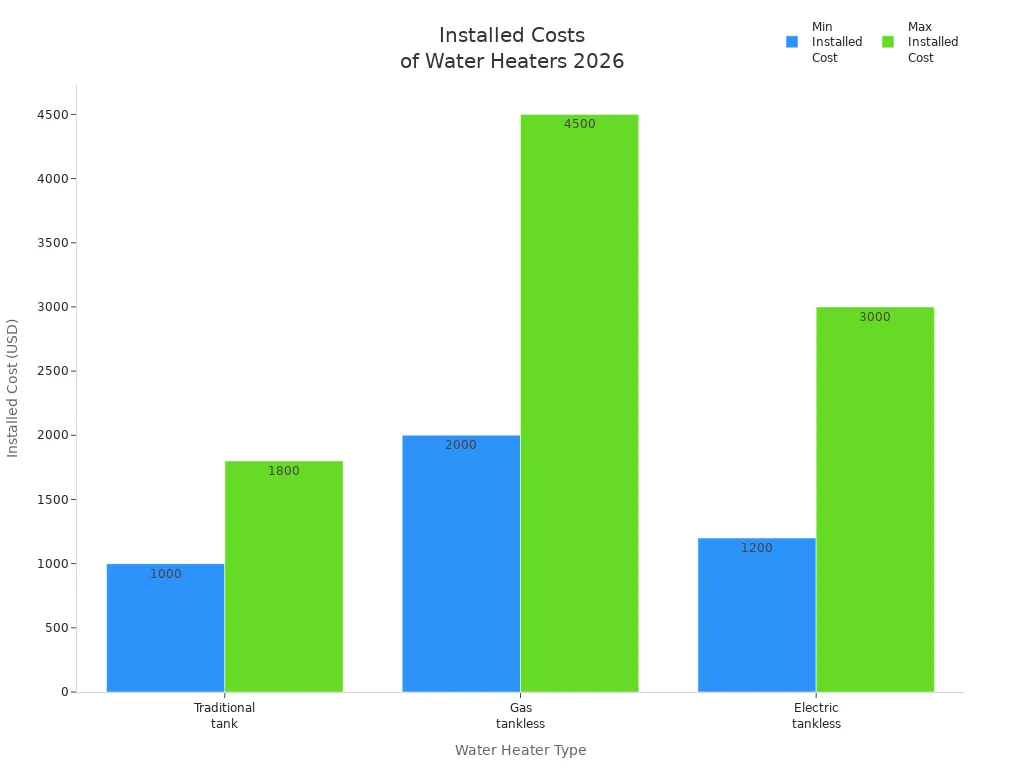
When you look at tankless water heater costs, check both the price to buy and the money you can save on energy. Tankless models cost more at first, but you can save money every month.
Many homes use tank water heaters. These heaters keep hot water in a big tank. The water is ready when you need it. In 2026, a new tank water heater costs $1,200 to $2,500 with installation. Tank models cost less at first. They are good for families who need hot water at different times. But they use more energy because they keep water hot all day. Most tank water heaters last 8 to 12 years.
It is smart to look at both gas and electric water heaters before you buy. Gas models cost more to put in, from $1,600 to $3,000. Electric models cost less, from $1,200 to $2,200. Gas heaters have lower bills each month because natural gas is cheaper. Electric heaters cost more to run every month, but they can last up to 15 years.
Category | Gas Water Heater | Electric Water Heater |
|---|---|---|
Upfront Cost | $1,600–$3,000 | $1,200–$2,200 |
Monthly Operating Cost | Lower | Higher |
Lifespan | 8–12 years | 10–15 years |
Note: In California, new rules in 2026 say new homes must use electric heat pump systems. This may change the price and how easy it is to get gas water heaters later.
Solar water heaters are getting more popular. People want to save energy and pay less for bills. The SOLARAVEN Solar Water Heater from Changzhou Raven New Energy Technology Co.,Ltd. uses special solar vacuum tube technology to heat water well. You pay more at first—between $3,000 and $7,000 or more. But you can save hundreds of dollars each year on energy bills. Over 20 years, you could save $6,000 to $20,000.
Type | Upfront Cost | Monthly Cost | Lifespan | Environmental Impact |
|---|---|---|---|---|
Solar | High | Low | 15–25 yrs | Excellent |
Electric | Medium | High | 10–15 yrs | Poor |
Gas | Low | Medium | 10–15 yrs | Moderate |
SOLARAVEN systems help you make less pollution and use less fossil fuel. You might get rebates or tax credits to help pay for it. Good installation and regular check-ups keep your solar water heater working for a long time.
Tip: If you want to pay less for energy and help the planet, a solar water heater like SOLARAVEN is a good idea.
When you plan for a water heater installation, you need to know what the total price covers. You do not just pay for the heater itself. The cost includes several important parts and services.
You pay for more than just the main water heater. The price covers all the parts needed for a safe and working system. Here is what you usually get:
The water heater unit (tank, tankless, or solar)
Pipes and fittings for water and gas lines
Valves, connectors, and insulation
Expansion tank (if needed)
Mounting brackets or stands
Basic code upgrades for safety
For a tank-style water heater, the total cost ranges from $2,925 to $5,950. If you choose a tankless model, the cost of a tankless water heater and installation is about $5,290 to $5,965. These prices include the main parts and any typical upgrades your home may need.
You also pay for the work to put in your new system. Labor costs can change based on where you live and how hard the job is. Here is what you should expect:
Plumbers charge $75 to $200 per hour.
The average labor cost for water heater replacement is $150 to $500.
The total labor and installation cost for a 50-gallon heater is between $1,200 and $2,000.
In late 2025, the price to replace a hot water heater starts at $1,580 and can reach $1,834.
If you pick a tankless system, the tankless water heater installation cost may be higher because it often needs extra work, like new venting or wiring.
You may need a permit for your new water heater. Local rules often require this to make sure your system is safe. The permit fee can range from $50 to $500, depending on your city. Some installers include this in the total price, but you should always ask. Getting the right permits helps you avoid problems later.
Tip: Always check what is included in your quote. Ask your installer if the price covers all parts, labor, and permits. This helps you avoid surprise costs.
The price to put in a water heater changes by where you live. Plumbers in big cities charge more money for their work. In small towns, you might pay less. Labor can cost from $75 to $200 each hour. If your house is far away or hard to get to, the price can go up. Some places have strict building rules. These rules can make you need more permits or upgrades, which adds to the cost.
Tip: Get quotes from local installers. This helps you see prices and pick the best deal near you.
The brand and how much energy your water heater uses can change the price. Famous brands can cost more, but they often have better warranties and service. High-efficiency models use less energy, so you save money on bills later. In 2026, new rules say many water heaters must be more efficient. You may pay more at first, but your bills will be lower.
Here is a table to show how brand and efficiency can change your choice:
Evidence Type | Description |
|---|---|
Energy Efficiency Standards | New energy rules for commercial water heaters need higher efficiency ratings. |
Cost Implications | High-efficiency models cost more at first but save money later. |
Brand Influence | The brand can change the price because of technology, warranty, and service. |
Minimum Efficiency Requirement | The DOE made new 95% minimum efficiency rules for commercial gas water heaters. |
Impact on Business | These changes will likely make replacement costs go up for businesses. |
How hard it is to put in your water heater can change the price. If you get the same kind and size as before, the job is easier and costs less. If you switch from gas to electric, or need new pipes, the price goes up. Small spaces, tricky plumbing, or adding safety parts can also make it cost more. Fancy models may need special parts or extra work.
Here is a table that shows what makes installation cost more or less:
Factors Increasing Costs | Factors Decreasing Costs |
|---|---|
Changing fuel type (gas ↔ electric) | Replacing same-size unit in easy-to-reach space |
Adding expansion tanks or code upgrades | Using old plumbing or venting |
Small space or tricky plumbing reroutes | Installing during normal work hours |
Picking high-end models like Rheem Performance Platinum or Bradford White RE Series | N/A |
You can save money if you plan ahead and pick a system that fits your home.
When you look for a new water heater, you want to see how the costs stack up. Comparing the price of each type helps you make a smart choice for your home and budget. You can see the main differences in the table below. This table shows the initial cost, installation cost, and total cost for popular water heater types in 2026.
Water Heater Type | Initial Cost Range | Installation Cost Range | Total Cost Range |
|---|---|---|---|
Electric Tankless Water Heaters | $400 – $2,500 | $1,800 – $7,200 | $1,800 – $7,200 |
Electric Conventional Water Heaters | $600 – $4,500 | $2,500 – $7,200 | $2,500 – $7,200 |
Heat Pump Water Heaters | $9,000 – $13,000 | N/A | $9,000 – $13,000 |
You notice that electric tankless water heaters have a lower starting price. You pay more for installation, especially if your home needs new wiring or upgrades. Electric conventional water heaters cost a bit more at first, but installation prices are similar. Heat pump water heaters cost the most. You pay a high price up front, but these models use less energy and can save you money over time.
Tip: If you want to save money each month, look at energy-efficient models like heat pump water heaters. You pay more at first, but you can lower your bills for years.
You should also think about how much hot water you need. Tankless models give you endless hot water, but they cost more to install. Conventional models work well for smaller families. Heat pump water heaters work best in warm climates and large homes.
When you compare costs, remember to check what is included in the price. Some quotes cover permits, labor, and extra parts. Others may not. Always ask your installer for a full breakdown. This helps you avoid surprise fees and pick the best water heater for your needs.
You can pay less for a new water heater by using rebates and tax credits. In 2026, the U.S. government gives tax credits for energy-saving water heaters. If you get a model that qualifies, you can get back up to 30% of what you spend. The most you can get depends on the type you pick.
Type of Water Heater | Tax Credit Percentage | Maximum Amount |
|---|---|---|
Natural Gas, Oil, or Propane Water Heaters | 30% | $600 |
Heat Pump Water Heaters | 30% | $2,000 |
You must live in the United States to get these credits. The water heater has to be in your main home or be an upgrade if you rent. The system also needs to meet certain rules for efficiency. These credits help you save money and make it easier to choose energy-saving models.
Taking care of your water heater helps it last longer and work better. You can stop big repairs and wait longer before you need a new one. Here are some important ways to keep your water heater in good shape and why they help:
Maintenance Practice | Benefit |
|---|---|
Regular flushing | Stops minerals from building up and keeps water moving. |
Inspecting filters and internal pathways | Keeps pressure steady and stops sudden problems. |
Professional inspections | Finds hidden issues and makes sure all parts work right. |
Flush your tank once every year. Check filters and pipes often. Have a professional look at your system every few years. These steps help your water heater use less energy and save you money over time.
You might want to put in a water heater yourself to save money. Doing it yourself means you do not pay for labor, but it can be risky. Mistakes can cause leaks, damage, or even be dangerous. Most people pick a professional to install their water heater so they feel safe.
Option | Average Labor Cost | Risk Level | Best For |
|---|---|---|---|
Professional Installation | $500–$1,000 | Low | Most homeowners |
DIY Replacement | $0 | High | Skilled DIYers |
If you want your water heater to be safe and work well, hire a licensed plumber. This protects your home and makes sure your new water heater works the right way.
You may wonder if you should repair your water heater or get a new one. This decision can save you money and trouble. Start by looking at the age of your water heater. Most water heaters last 8 to 12 years. If your unit is over 10 years old, replacement often makes more sense.
Check how often you call for repairs. If you need repairs every year, a new water heater could be a better investment. Think about your energy bills. Older water heaters use more energy and can raise your costs. New models are more efficient and can lower your bills.
Use this table to help you decide:
Factor | Description |
|---|---|
Age of the Unit | If the water heater is less than eight years old and has an isolated issue, repair is likely. |
Frequency of Repairs | If the unit has recurring problems, replacement may be the smarter option. |
Energy Efficiency | Upgrading to a newer, more energy-efficient unit can save money over time. |
Cost Considerations | If repair costs exceed 50% of a new unit's cost, replacement is advisable. |
Here are some signs you should replace your water heater:
The unit is over 10 years old.
You call for repairs often.
You see rust or corrosion on the tank.
Your energy bills keep going up.
You notice leaks or water damage.
Ask yourself how much to replace a water heater in your area. If the repair cost is more than half the price of a new unit, choose replacement. You can also use this time to upgrade to a more efficient model, like a tankless or solar water heater. If you plan to stay in your home for many years, a new water heater is a smart choice.
Tip: Replacing your water heater before it fails can prevent water damage and give you peace of mind.
In 2026, the cost to replace a water heater changes by type. Some models, like heat pump and solar, cost more at first. These can help you save money later. Looking at different choices helps you pick what works for your budget.
Check what each quote covers, like permits and cleanup.
Think about saving money with energy-efficient or solar models.
Learn about new technology and rules.
Next Steps for Quotes | Details |
|---|---|
Ask contractors | About permits, warranties, and services included |
Share information | Send photos, tank size, and fuel type |
Get multiple bids | Look at three or more quotes |
Knowing the cost to replace your water heater helps you make a good choice for your home.
You can expect the job to take 2 to 4 hours. If you switch types or need extra work, it may take longer. Most installers finish in one day.
Most water heaters last 8 to 15 years. Tankless and solar models can last up to 20 years with good care. Regular maintenance helps your system last longer.
You can try, but it is safer to hire a licensed plumber. Professional installation meets local codes and reduces the risk of leaks or damage.
Solar water heaters cost more at first, but you save money on energy bills over time. You also help the environment. Many homeowners get rebates or tax credits.
The biggest factors are the type of water heater, labor rates in your area, installation difficulty, and any upgrades needed for your home.


