

Views: 0 Author: Site Editor Publish Time: 2025-12-02 Origin: Site


Many homeowners operate under the dangerous assumption that a newly renovated bathroom or a brand-new house guarantees flawless infrastructure. Unfortunately, "new" does not always mean "perfect." Installation errors remain a leading cause of system failure in both enthusiastic DIY projects and rushed new construction due to labor shortages or material mismatches. These issues often manifest silently, causing damage long before a puddle appears on the floor.
The cost of ignoring these installation faults extends far beyond a slightly higher water bill. A small, undetected leak is a precursor to structural wood rot, expensive mold remediation, and compounded repair costs that can jeopardize your home's value. The Total Cost of Ownership (TCO) for your plumbing system relies heavily on the quality of the initial setup. Neglecting a proper diagnosis now often results in a financial disaster later.
This article moves beyond simple "wear and tear" maintenance advice. We address root-cause installation failures—from common pipe joining errors to the complexities of integrating a modern Solar Water Heater—and provide a practical decision framework for fixing them. You will learn how to distinguish between a minor adjustment and a critical failure that requires immediate professional intervention.
Material Mismatches Matter: Mixing copper and galvanized steel or using incorrect PEX fittings are top causes of early system failure.
The "Overtightening" Fallacy: Most DIY leaks stem from stripping threads rather than loose connections.
System Complexity: Advanced installations (Heat Pump/Solar Water Heaters) require specific sizing and venting often missed in standard setups.
Diagnostic First: Don't dig until you diagnose. Camera inspections and hydrostatic tests save thousands in unnecessary demolition.
The integrity of a plumbing system relies entirely on the quality of its connections. While pipes themselves rarely fail immediately, the joints where they meet are prime candidates for installation errors. These failures often stem from a misunderstanding of material properties or a lack of proper technique during the rough-in phase.
A common misconception among DIY enthusiasts is that tighter equals better. Users often apply excessive torque to compression fittings, supply lines, or plastic nuts under sinks. This physical stress can crack the plastic nut or distort the internal rubber washer, destroying the watertight seal before water ever flows through it.
The fix requires a disciplined approach. Use the "hand-tight plus a quarter turn" rule for most fixture supply lines and compression fittings. If a leak persists after this adjustment, do not reach for the wrench again immediately. Disassemble the connection and inspect the washer or ferrule. It is likely misaligned or damaged. Replacing a ten-cent washer is far more effective than stripping the threads on a hundred-dollar valve.
Plumbing installation requires strict adherence to material compatibility. A frequent error in older home renovations involves connecting copper piping directly to galvanized steel pipes. This direct contact creates a dielectric reaction known as galvanic corrosion. The steel acts as an anode and corrodes rapidly in the presence of the more noble copper cathode, leading to rust blockages and eventual bursts.
To fix this, you must electrically separate the two metals. Install a dielectric union or a 6-inch brass nipple between the copper and steel components. Brass acts as a neutral bridge, preventing the electron transfer that drives corrosion.
Modern plumbing relies heavily on PEX (cross-linked polyethylene) and copper, but each material has unique failure points during installation.
PEX Errors: Issues often arise from using improperly calibrated crimping tools. If the crimp ring is too loose, the tube slips; too tight, and the fitting damages the pipe. Additionally, PEX is sensitive to UV light. Leaving pipes exposed to sunlight for weeks before drywall installation can degrade the molecular structure, leading to brittleness.
Copper Errors: "Pinholes" in new copper lines are often caused by flux residue. If the installer fails to flush the lines thoroughly after soldering, the acidic flux eats through the pipe from the inside out. Furthermore, failing to ream (deburr) the cut ends of copper pipe causes water turbulence. This turbulence creates erosion corrosion, thinning the pipe wall over time.
In new construction, the drainage system is often treated as a trash chute during the finishing stages. Drywall dust, sawdust, and tile grout washed down drains can settle in the P-traps or main horizontal runs. Unlike organic waste, these materials solidify into a concrete-like mass once the water stops flowing.
The diagnosis is usually straightforward: slow draining occurs immediately upon moving into the property. If plunging fails, the trap likely needs to be removed and physically cleaned out to remove the hardened construction debris.
Water supply lines are pressurized, making leaks obvious. Drainage systems rely on gravity and air, making their installation errors harder to spot but just as destructive. A drain cannot function without air, much like placing your finger over a straw full of liquid keeps the liquid trapped.
If your toilet gurgles when the bathtub drains, or if you smell sewer gas intermittently, the installation likely lacks adequate venting. Installers sometimes skip venting in complex remodels, causing vacuum locks. As water rushes down the drain, it creates a siphon that pulls water out of nearby P-traps, breaking the seal that keeps sewer gas out of your home.
Fixing this issue starts at the roof. Check roof vents for physical blockages like bird nests or debris. If the issue is structural—meaning vent pipes are missing entirely from a specific fixture group—demolition isn't always necessary. You can often install Air Admittance Valves (AAV) under sinks. These one-way mechanical vents allow air to enter the system when draining but seal tight to prevent gas from escaping.
Gravity drainage requires a "Goldilocks" slope. The industry standard is a 1/4 inch drop per foot of pipe.
| Slope Condition | The Mechanism of Failure | Resulting Problem |
|---|---|---|
| Too Flat (less than 1/4" per foot) | Water moves too slowly to carry solids. | Solids settle and create frequent, stubborn clogs. |
| Too Steep (more than 1/2" per foot) | Liquids move faster than solids (separation). | Water outruns the waste, leaving solids behind to dry and block the pipe. |
| Correct Pitch | Liquids and solids move together. | Self-cleaning scouring action is maintained. |
Fixing incorrect pitch is labor-intensive as it requires re-hanging the pipes. Use a torpedo level to verify the grade before closing up walls or ceilings during any renovation.
It is critical to differentiate between a local clog and a main sewer line blockage. If water backs up into a shower when you flush the toilet, the blockage is down the main line. Before purchasing an older home or after major landscaping, commissioning a Sewer Camera Inspection is highly recommended. This diagnostic step identifies whether the issue is a simple soft blockage or a structural failure like tree root intrusion.
For repairs, hydro-jetting clears soft blockages and grease. For root intrusion or cracked pipes, trenchless pipe lining offers a permanent solution that creates a "pipe within a pipe," avoiding the massive cost of excavating your yard/driveway.
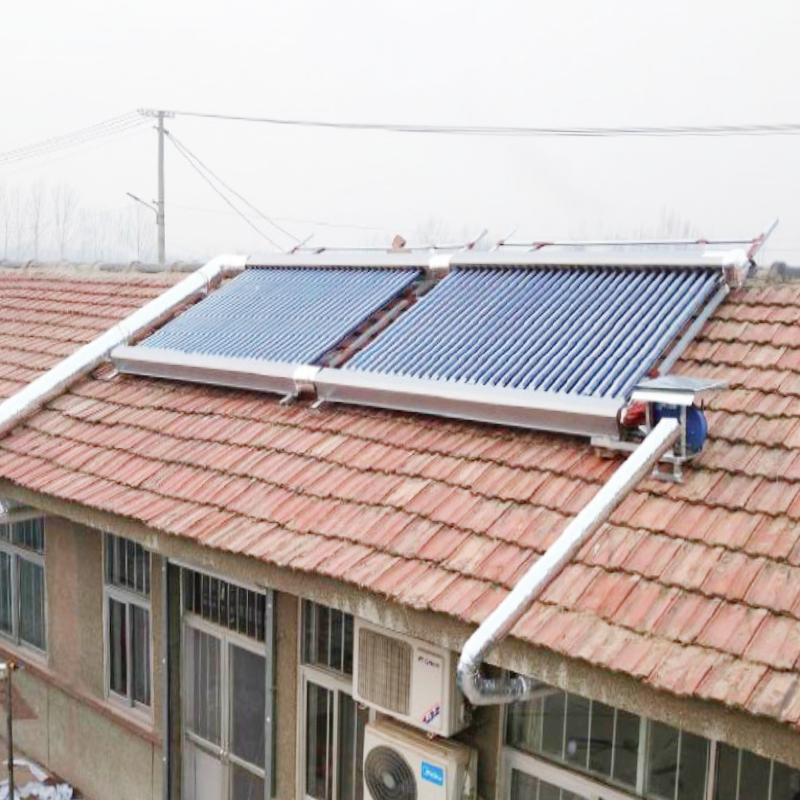
Water heaters are the workhorses of the home, but their longevity relies heavily on the environment they are installed in. Whether you have a standard tank or a modern Heat Pump Water Heater, ignoring manufacturer specifications ensures premature failure.
In closed-loop plumbing systems (where a backflow preventer is installed on the main line), thermal expansion is a critical concern. As water heats, it expands. If there is nowhere for this extra volume to go, it spikes the pressure in the tank. An installation error here is the failure to install a thermal expansion tank. This leads to leaking Pressure Relief Valves (PRV) and premature rupture of the main tank.
Sediment is another killer. In areas with hard water, such as Florida, sediment builds up at the bottom of the tank, insulating the heating element from the water. This causes the tank to overheat and fail. Failing to install a dedicated flush valve or sediment trap can shorten a unit's lifespan from 12 years to just 6.
The Heat Pump Water Heater is an incredible efficiency upgrade, but it operates differently than a standard electric resistive heater. It pulls heat from the surrounding air to warm the water. Installation errors frequently involve airflow and space requirements.
Airflow Requirements: These units typically require approximately 700 to 1,000 cubic feet of air space to operate efficiently. Installing them in a small, sealed closet without louvered doors starves the unit of heat, causing it to default to inefficient electric resistance mode or fail completely.
Condensate Management: Unlike standard tanks, these units produce water (condensate) as they dehumidify the air. A common installation oversight is failing to route this condensate to a drain or failing to install a condensate pump, leading to water damage around the unit base.
Integrating a Solar Water Heater involves complex fluid dynamics and thermal management. A major failure point in indirect systems is glycol degradation. If the heat transfer fluid is not flushed or tested according to schedule, it can become acidic or sludge-like, leading to stagnation and freezing risks in colder climates.
Orientation is also critical. A poor collector installation angle can reduce Return on Investment (ROI) significantly. Furthermore, because solar setups can superheat water to temperatures exceeding 160°F, verifying the installation of a high-quality anti-scald mixing valve is not just a performance check—it is a safety necessity.
Sometimes the plumbing installation problem isn't a leak, but an environmental factor that the original installer failed to account for. High pressure and poor water quality are silent destroyers of expensive fixtures.
Water pressure exceeding 80 PSI is dangerous for residential plumbing. Symptoms include "water hammer" (banging pipes when valves close), toilets that hiss or run intermittently, and dripping relief valves on water heaters. High pressure stresses pipe joints and appliance seals, shortening their life.
The fix is to test the static water pressure with a simple gauge on a hose bib. If it reads above 80 PSI, you must install or replace the Pressure Reducing Valve (PRV) on the main incoming water line.
Hard water is not just a cleaning nuisance; it is an installation consideration. Scale buildup causes rapid failure of tankless heater heat exchangers and ceramic disc cartridges in faucets. In regions with high mineral content, installing a whole-home water softener is necessary to protect the rest of the plumbing investment. Note that electronic descalers are often marketed as easy fixes but generally offer lower efficacy than salt-based ion exchange systems.
Toilets: A rocking toilet is a major red flag. It indicates the flange is broken or the wax ring is not unevenly compressed. Tightening the bolts won't fix this; it will likely crack the porcelain. The correct fix involves lifting the toilet, installing a flange repair kit, and seating a new wax ring.
Shower Valves: Leaks occurring behind the shower wall often stem from a specific soldering error. If the installer fails to remove the plastic cartridge from the valve body before soldering the pipes, the heat melts the internal rubber seals. The valve leaks internally from day one.
Not every plumbing installation problem requires a professional truck roll. However, knowing when to stop is critical to avoiding liability and injury. Use this matrix to decide your approach.
Tasks that are external to the wall and have a dedicated isolation valve are generally safe for homeowners. This includes replacing fixture cartridges in dripping faucets, clearing P-traps, or using a drum auger for minor sink clogs. Replacing toilet internals, such as flappers and fill valves, is also a standard DIY maintenance task.
Certain areas carry risks that far outweigh the cost of labor.
Gas Lines: Any issue involving gas lines or water heater gas connections requires a licensed professional. The risk of explosion or carbon monoxide poisoning is zero-tolerance.
Main Line Stoppages: If sewage is backing up, you need heavy machinery like hydro-jetters or large augers that can break wrists if mishandled.
Modification of Load-Bearing Framing: Moving a drain often involves drilling through joists. Doing this incorrectly compromises the structural integrity of the house.
Permit Work: Re-piping jobs and new water heater installations often require city inspection for code compliance regarding seismic straps, drain pans, and flue venting.
Regardless of who fixes the problem, every household member should know the location of the main water shut-off valve. In the event of a burst pipe, speed is your only defense against flooding. Additionally, avoid using chemical drain cleaners during an emergency. They rarely clear full blockages and create a caustic hazard for the plumber who eventually has to cut the pipe, risking chemical burns.
A plumbing system is the vascular system of your home; ignoring its signals eventually leads to critical failure. Proper diagnosis is the key differentiator between a twenty-dollar repair part and a two-thousand-dollar disaster involving water damage restoration. Whether you are dealing with a simple P-trap clog or the complex venting requirements of a Heat Pump Water Heater, understanding the root cause is the first step toward a permanent solution.
Always perform a stress test before signing off on any repair. Run the water at full volume, flush the toilet multiple times, and check for pressure drops or new leaks. If your infrastructure is outdated, consider this a call to action. Upgrading to modern materials like PEX or installing high-efficiency systems is often more cost-effective in the long run than endlessly patching a failing system.
A: The timeline is your best indicator. If a problem arises immediately or within weeks of a renovation or new construction, it is almost certainly an installation error (like a loose nut or debris blockage). Issues that develop gradually over years, such as dripping faucets or slow drains, are typically due to normal wear and tear or mineral buildup.
A: Not always. Heat pump units need access to warm air to function. If your old tank was in a tight closet, you must ensure the new unit has at least 700 cubic feet of airspace or install louvered doors for ventilation. You also need a drain or pump to handle the condensate water the unit produces.
A: This noise, called "Water Hammer," occurs when fast-moving water stops suddenly, sending a shockwave through the pipes. It often means the installer failed to secure the pipes to the framing properly or did not install water hammer arrestors near quick-closing valves (like washing machines). High water pressure can also contribute to this issue.
A: generally, yes. PEX is more forgiving for DIYers because it is flexible, resists bursting in freezing temperatures better than copper, and requires fewer connections. It also eliminates the fire hazard associated with soldering copper pipes. However, you must buy the specific crimping or expansion tools required for the type of PEX you choose.
A: Overtightening the closet bolts is the most frequent error. Users often tighten the bolts at the base until they cannot turn anymore, which can crack the porcelain base of the toilet. The other common mistake is failing to seat the wax ring evenly, which causes immediate leaking around the base or sewer gas smells.


