

Views: 0 Author: Site Editor Publish Time: 2026-01-22 Origin: Site


A hot water cylinder, also known as a hot water tank, is a key component of many homes and businesses, responsible for storing and heating water for daily use. It ensures a constant supply of hot water for activities like showers, cooking, and cleaning. However, like any appliance, hot water cylinders can experience issues over time, with leaks being one of the most common problems. These leaks, if left unchecked, can lead to water damage, increased utility bills, and potentially more serious plumbing issues. In this article, we will explore the common causes of hot water cylinder leaks, how to detect them early, and the steps you can take to repair and prevent further damage, helping you maintain a reliable hot water supply and avoid costly repairs.
A pressure relief valve (PRV) is a crucial safety feature in a hot water cylinder, designed to release excess pressure and prevent the tank from over-pressurizing. If this valve malfunctions or becomes blocked, pressure can build up inside the cylinder, causing water to leak from the valve. This is especially common in older systems. To fix this, you should inspect the valve regularly and clean or replace it if needed. If the valve is damaged or worn out, a professional plumber should replace it to prevent future leaks and ensure the safe operation of the hot water system.
Loose or deteriorating pipe connections can also lead to leaks in a hot water cylinder. Over time, the pressure from the hot water can cause joints and connections to loosen, resulting in water escaping. Inspect the connections around the inlet and outlet pipes for any signs of dampness or corrosion. If you notice any loose fittings, use a wrench to tighten them carefully. For more severe cases, replacing the damaged pipe or joint may be necessary. Always ensure the water supply is turned off before making any adjustments to avoid further leaks or water damage.
The hot water cylinder itself can crack due to a variety of factors, such as corrosion, overuse, or age. A cracked cylinder can lead to significant water loss, and unfortunately, this type of leak is often irreparable. Corrosion occurs when the protective coating on the inside of the tank wears away, allowing rust to form and weaken the metal. If you notice a crack or extensive rusting on the cylinder, it's often best to replace the entire unit. Regularly flushing out sediment and maintaining the system can help prevent corrosion and extend the life of the cylinder.
Clogged pipes can restrict the flow of water, causing pressure to build up within the system. This overpressure can force water to escape from weak points, leading to leaks. Common causes of pipe blockages include mineral buildup, debris, or damaged pipes. To prevent this issue, flush the pipes regularly to remove sediment and mineral deposits. If you suspect a blockage, inspect the pipes for signs of discoloration or dampness. In more severe cases, professional plumbers can use tools like hydro-jetting to clear out the blockages safely and effectively, restoring proper water flow and preventing leaks caused by overpressure.
Inspecting your hot water cylinder for leaks is essential to ensure efficiency and safety. Follow these steps to check for leaks and remember to take necessary safety precautions:
Before starting, turn off both the water supply and power (if electric) to avoid hazards. For gas-powered systems, ensure the gas supply is off.
Check for visible water around the pressure relief valve. Leaks here may indicate overpressure or a faulty valve. If leaking, you may need to clean or replace the valve.
Inspect all pipe connections for any dampness or moisture. Tighten any loose connections with a wrench. Persistent leaks may require replacing the connection or calling a plumber.
Corrosion or rust around the cylinder, especially near joints, could signal a crack or slow water leak. This often requires replacing the cylinder if the damage is severe.
Use a flashlight to check the bottom of the cylinder for any pooling water. Dampness here could indicate a cracked tank, which may need replacing.
Check the water pressure by inspecting the pressure gauge. A significant drop in pressure could indicate a hidden leak that needs attention.
If a visual check doesn’t reveal a leak, turn off all water fixtures and check the water meter. If it continues to run, a hidden leak in the system might be present, requiring professional help.
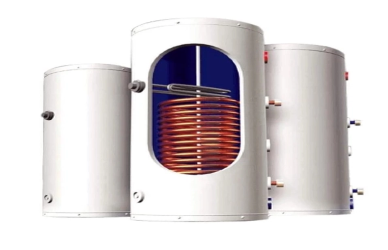
Repairs for a leaking hot water cylinder depend on the severity of the issue. Minor leaks can often be fixed with DIY methods, while more serious issues may require professional assistance.
For minor leaks, such as loose pipe connections or small drips, you can handle repairs yourself. Here's how:
Step 1: Turn Off Water and Power
Turn off the water supply and switch off the power (if electric) to avoid hazards.
Step 2: Locate the Leak
Inspect the cylinder for visible signs of water, especially around pipe connections, valves, and joints.
Step 3: Tighten Loose Pipe Connections
Use a wrench to tighten any loose pipe connections. Don’t overtighten, as this could cause further damage.
Step 4: Seal Minor Cracks (Temporary Fix)
For small cracks, apply a waterproof sealant or epoxy as a temporary solution. This is not a permanent fix, and the damaged part should be replaced soon.
Step 5: Check the Pressure Relief Valve
Clean or replace a faulty pressure relief valve. If cleaning doesn’t work, a new valve may be needed.
Step 6: Restore Power and Water
Once repairs are done, turn the water and power back on and check for leaks. If they persist, seek professional help.
Some issues require professional attention:
Faulty Pressure Relief Valve
If cleaning or adjusting doesn’t resolve the leak, the valve may need replacement. A professional plumber can replace it safely.
Cracked Cylinder
A cracked cylinder is usually beyond repair and should be replaced. This often requires professional assistance.
Complex Issues
If the problem is more complicated (e.g., internal leaks), a plumber has the tools and expertise to fix it properly.
To prevent leaks and extend the life of your hot water cylinder, follow these simple maintenance practices:
Inspect your cylinder regularly for signs of corrosion, rust, or leaks around the tank, pipes, and connections. Check the pressure relief valve and ensure the system is free of blockages.
Sediment and debris can clog filters, reducing water flow and pressure. Clean filters regularly and replace them if damaged to maintain optimal performance.
Pressure regulators help maintain safe water pressure, reducing strain on the cylinder. This prevents damage and leaks caused by excessive pressure.
Proper insulation helps maintain stable water temperature, preventing overheating and minimizing the risk of leaks.
Have a plumber inspect your cylinder at least once a year for thorough checks, pressure testing, and early detection of potential issues.
Regularly check valves, pipe connections, and the cylinder for signs of wear. Avoid excessive water pressure or aging components causing leaks.
Check the pressure relief valve and adjust or replace it to prevent leaks caused by excessive water pressure.
Small leaks can often be repaired, but if the cylinder is severely corroded or old, replacement may be necessary.
Check if your water meter spins rapidly, or look for increased humidity or dampness in the room, which might indicate internal leaks.
In conclusion, common causes of hot water cylinder leaks include faulty pressure relief valves, loose pipe connections, cracked cylinders, and clogged pipes leading to overpressure. Solutions range from simple DIY repairs, such as tightening loose connections or sealing minor cracks, to more complex fixes like replacing damaged valves or cylinders, which require professional help. Timely repairs and regular maintenance are essential to prevent leaks, minimize water damage, and maintain the efficiency of your hot water system. By performing routine inspections, cleaning filters, installing pressure regulators, and seeking professional assistance when needed, you can significantly extend the lifespan of your hot water cylinder and avoid costly repairs down the line.


