

Views: 0 Author: Site Editor Publish Time: 2026-04-27 Origin: Site


Routine draining and flushing of a solar hot water heater removes mineral scaling, sustains heat transfer efficiency, and prevents costly winter freeze damage. Unlike standard electric units, draining a solar thermal system involves distinct variables. You must navigate heat transfer fluids like glycol, drainback mechanisms, and stagnation risks. Neglecting these elements can ruin system components and degrade performance.
Before you begin any maintenance, you must set clear safety expectations. Water inside these storage tanks reaches dangerous temperatures. Solar thermal energy can easily push water past standard residential limits. You face a severe risk of scalding if you rush the process. Always allow proper cooling periods before touching the valves. In this guide, you will learn how to safely drain your equipment. We will cover managing hard water sediment, handling thermal fluids, and protecting your system during long vacations.
Safety First: Always disconnect electrical power and auxiliary heat sources to prevent element burnout ("dry firing") and allow the tank to cool for several hours.
Vacuum Release: Draining requires breaking the system’s vacuum by opening a high-point hot water tap; otherwise, water will not flow.
Fluid Management: Closed-loop systems require monitoring of antifreeze (glycol) using a refractometer, replacing it every 3-5 years to prevent acidic corrosion.
Vacation Protocols: Never simply power off a solar water heater during long absences; this risks fluid boiling and system stagnation.
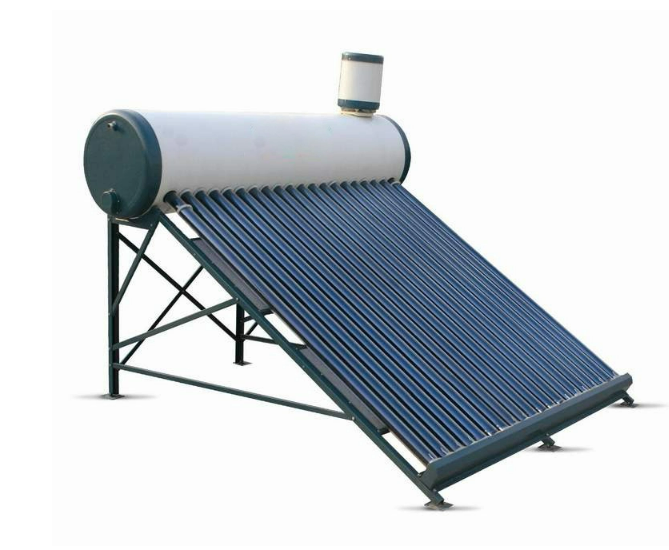
Proper preparation ensures you do not damage the equipment or injure yourself. You need specific tools to manage high temperatures and heavy sediment.
Gather these items before starting the drain process. Having them nearby prevents delays once the water starts flowing.
Heavy-duty garden hose and a sturdy drainage bucket.
Flathead screwdriver or an adjustable wrench to operate the drain valve.
Thermal protective gloves and safety goggles.
Optional: A wet/dry vacuum for clearing stubborn sediment blockages at the valve.
You must isolate the equipment before releasing any water. Skipping this step often causes irreversible damage to internal heating elements.
Power Isolation: Turn off the circuit breaker connected to the solar pump. Do the same for the backup heating element. This applies to both electric and gas backups. If you drain the tank while the element is active, it will instantly overheat. Industry professionals call this "dry-firing." It destroys the element in seconds.
Cooling Period: Allow the system to cool for several hours. Solar thermal systems capture immense heat. The water inside can cause third-degree burns instantly. Turn off the heat sources the night before you plan to do the maintenance.
Follow these exact steps to ensure a smooth, complete drain. Every standard Solar Water Heater relies on gravity and air pressure to release stored water.
Step 1: Shut Off the Cold Water Supply. Locate the inlet valve on the pipes leading into the tank. Close it completely. This prevents new cold water from rushing into the tank while you attempt to empty it.
Step 2: Connect the Drainage Route. Attach your heavy-duty garden hose to the drain valve. You will find this valve near the bottom of the storage tank. Route the other end of the hose to a floor drain or a safe exterior location. Ensure your chosen exit point can withstand hot water exposure without damaging landscaping or plumbing.
Step 3: Break the Pressure Vacuum. Go inside the building and open the highest-level or closest hot water tap. This step provides crucial context for success. A sealed tank creates negative pressure. If you do not open a tap, the water stays suspended inside. Opening the faucet introduces air. This allows gravity to pull the water down effectively.
Step 4: Execute the Drain. Slowly open the drain valve on the tank using your screwdriver or wrench. The implementation reality is a slow process. A full gravity drain for a standard residential storage tank typically takes 20 to 40 minutes. Monitor the hose to ensure it does not kink.
Step 5: Flush the System (Optional but Recommended). Once the tank is empty, briefly turn the cold water supply back on. Keep the drain valve open. The fresh blast of cold water agitates residual bottom-tier sediment. Let it run until the water exiting the hose looks completely clear.
Routine draining removes loose particles. However, hard water leaves behind stubborn calcification. You must use active descaling tactics to restore heat transfer efficiency.
Severe calcification acts as an insulator inside your tank. It prevents the solar heat exchanger from warming the potable water. You can resolve this using household white vinegar. Once the tank is completely empty, close the drain valve. Inject a mixture of water and several gallons of white vinegar into the tank. Let this mild acid sit inside for several hours. The acetic acid breaks down stubborn mineral deposits safely. After the soak, perform a secondary flush to rinse the loosened scale out of the system.
Many modern solar thermal systems pair with tankless water heaters for auxiliary heat. Gravity draining works for storage tanks. It is entirely insufficient for tankless components. Tankless units require specialized forced-circulation maintenance.
System Component | Maintenance Strategy | Duration & Technique |
|---|---|---|
Standard Storage Tank | Gravity Drain & Vinegar Flush | 20-40 minutes. Relies on negative pressure release. |
Tankless Backup Unit | "Service Mode" Descaling | 45 minutes. Requires a submersible pump and specialized chemical solution. |
If your solar setup integrates a tankless backup, you must activate its "Service Mode." Connect a submersible pump to the isolation valves. Circulate a specialized descaling solution through the tankless heat exchanger for approximately 45 minutes. This strips away scale from the narrow internal piping.
Solar thermal systems move heat from the roof to the tank using specific fluids or mechanical designs. You must understand which type you have to maintain it properly.
Closed-loop systems pump a mixture of water and antifreeze up to the roof collectors. They usually use propylene glycol. You must warn against cross-contamination. Ensure the internal heat exchanger remains intact. If it cracks, glycol could enter your potable water supply.
Propylene glycol degrades over time. As it ages, it turns highly acidic. A primary diagnostic indicator is "blue corrosion" on your copper pipes. This blue hue indicates failing, acidic glycol eating away at the copper. You should test the fluid concentration periodically. Use a handheld refractometer to check the freeze point and degradation levels. Replace the fluid entirely every three to five years.
Drainback systems operate differently. They do not rely on pressurized antifreeze. Instead, they use operational physics. These systems rely on gravity to pull fluid out of the roof collectors. When the pump stops, all the water drains down into an indoor drainback tank. This leaves the roof panels empty and prevents freezing.
You must perform an installation standard check for these systems. Ensure all piping maintains a strict downward slope. The industry standard mandates a one-inch drop per 20 feet of pipe. If the pipes sag or run perfectly flat, water stagnates inside them. When winter arrives, these trapped pools of water freeze and cause pipes to burst.
Your ears can tell you a lot about the health of your system. Furthermore, how you handle long absences dictates the lifespan of your solar collectors.
Once you refill the system after a drain, listen closely to the circulation pump. The sounds it makes serve as a diagnostic tool.
Sound Profile | Diagnostic Meaning | Required Action |
|---|---|---|
Steady Hum | Healthy operation. Pump is moving fluid smoothly. | None. System is functioning optimally. |
Gurgling or Splashing | Normal for heavy gravity drainback systems as fluid drops. | None. Expected behavior during pump shutdown. |
Bacon Frying / Crackling | Trapped air in the lines causing localized boiling. | Bleed the air out of the circulation loop immediately. |
Sometimes you perform maintenance, but water temperatures remain low afterward. You need to identify the culprit. Turn off the backup heater entirely. Run the solar system exclusively for a full sunny day. This isolates the components. If the water gets hot, the solar collectors work fine, and your auxiliary element is broken. If the water stays cold, the solar loop requires deeper troubleshooting.
Leaving for a long summer trip poses a unique risk to solar water heaters.
The Risk: Shutting the system down completely during peak summer leads to thermal saturation. Since you are not using hot water, the tank reaches its maximum temperature. The pump stops circulating fluid. The collectors sit stagnant under the boiling sun. This causes the fluid inside to boil, turn to steam, and degrade rapidly.
The Solution: Leave the controller in "test mode" or a forced 100% circulation mode. This intentionally sheds excess heat at night. For absolute physical protection during extended trips, climb onto the roof safely. Cover the roof collector panels with a heavy tarp or old sheets. This physically blocks UV absorption and eliminates the stagnation risk completely.
Draining and flushing are excellent DIY tasks. However, certain situations demand professional expertise to ensure safety and system integrity.
Do not attempt repairs that involve toxic chemicals or pressurized vessels unless you have proper training. Call a professional if:
Fluid tests indicate compromised glycol. Degraded glycol requires full system evacuation and safe environmental disposal.
The expansion tank fails to hold its pre-charge pressure. These tanks require annual pressure checks. You must replace them every 5-10 years.
Scaling has severely compromised the internal heat exchanger.
Replacement sacrificial anodes are completely degraded and fused to the tank threads.
Regular flushing extends equipment life significantly. It keeps your system running efficiently for decades. However, legacy thermal systems sometimes require frequent part replacements. Pumps fail, controllers glitch, and glycol turns acidic. If you find yourself constantly calling professionals for repairs, evaluate your setup. Consider the maintenance burden. Many homeowners compare this ongoing effort against lower-maintenance Solar PV (Photovoltaic) plus heat-pump water heater setups. Sometimes, upgrading modernizes your home and eliminates complex fluid maintenance entirely.
Knowing how to drain a solar hot water heater serves as a fundamental facility and home management skill. It protects your equipment from premature failure. It also ensures you get the most efficient heat transfer possible from the sun.
To secure optimal performance, establish a strict annual maintenance schedule. Commit to draining and flushing the storage tank every year. Add fluid testing to your calendar if you operate a closed-loop system. Take proactive steps before long vacations to prevent stagnation. By following these practices, you secure the operational longevity of your solar thermal investment.
A: Annually for standard systems; bi-annually in areas with highly mineralized "hard" water.
A: Likely a vacuum lock. Ensure a hot water tap in the house is fully open. If it still doesn't drain, the valve may be entirely clogged with sediment, requiring careful clearing with a screwdriver.
A: Yes, draining the potable water side prevents freeze damage in unoccupied properties, but the solar fluid loop (if closed) must also be properly winterized or checked for adequate antifreeze levels.


