

Views: 0 Author: Site Editor Publish Time: 2026-04-21 Origin: Site


Heating water quietly drains household budgets every single day. Most families never realize how much energy flows straight down the drain. You turn the shower tap, the water warms up, and the utility meter spins. In fact, heating water remains the second-largest energy expense in a typical home. It accounts for roughly 14% to 18% of your monthly utility costs.
A solar hot water heater offers a brilliant solution. It captures thermal energy directly from the sun to drastically offset these recurring costs. However, these systems are not magic boxes. They do not eliminate utility bills entirely. They are sophisticated thermodynamic systems. They require precise climate matching, solid freeze-protection engineering, and properly calibrated backup heating to function reliably.
This guide explains the mechanical realities of solar water heating. We will break down core technologies like active versus passive setups. Finally, you will get a clear decision framework. You can use it to evaluate if this system fits your property and budget.
Efficiency vs. Output: Solar thermal systems convert around 50% of captured sunlight into heat (compared to ~15% for solar PV panels), but their output is strictly limited to heating water.
Climate is the Deciding Factor: Freezing climates mandate indirect (closed-loop) systems with antifreeze, while mild climates can leverage cheaper direct systems.
Backup Systems are Mandatory: Even a perfectly sized solar hot water heater will typically only cover about 80% of an annual hot water load; a traditional backup heater is required for cloudy days and peak demand.
Maintenance Reality: Systems boast a 20+ year lifespan, but active systems require professional inspection every 3–5 years to check fluids, pumps, and mechanical timers.
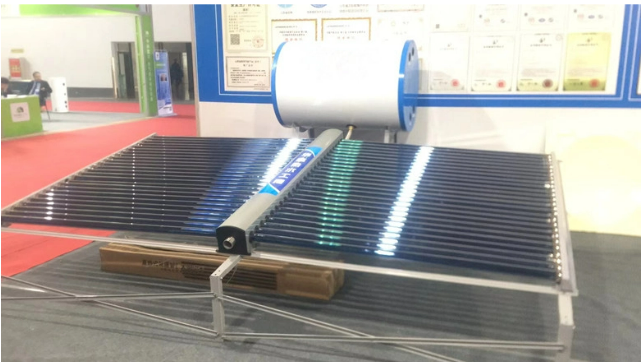
To understand these systems, you must look at basic physics. The fundamental mechanism relies on the familiar "greenhouse" model. Dark surfaces naturally absorb heat. Insulated glass traps it inside. This setup prevents convective cooling. The captured energy then transfers into your home plumbing.
A solar thermal setup relies on three primary components working together seamlessly. They move energy from the roof directly to your showerhead.
Collectors: These are the roof-mounted panels. They absorb incoming solar radiation.
Heat Transfer Fluid (HTF): This liquid moves the heat. It can be regular domestic water or a specialized antifreeze mixture.
Storage Tank: Think of this as your highly insulated "hot water battery." Thermal energy is stored here for later domestic use.
Consumers often ask a very logical question. If panels absorb heat so well, why doesn't the heat radiate back out at night? It seems like hot water would turn freezing cold by morning. Modern engineering solves this problem effectively.
Active systems use digital controllers. These controllers monitor temperature differences constantly. They shut off circulation pumps entirely when outside temperatures drop. Passive systems handle this differently. They use one-way thermosyphon valves. These simple gravity-based valves trap hot water safely in the insulated tank. Heat cannot flow backwards into the cold night air.
Choosing the right collector depends heavily on your local weather patterns. We can divide collectors into three main categories based on performance and budget.
Collector Type | Best Climate | Relative Cost | Key Advantage |
|---|---|---|---|
Flat-Plate | Most standard climates | Moderate | Highly cost-effective for families |
Evacuated Tube | Freezing/Cloudy climates | High | Exceptional cold-weather performance |
Batch / ICS | Tropical/Mild climates | Low | Very cheap and simple |
Most residential installations use flat-plate collectors. They feature copper tubes bonded to a dark absorber plate. A tempered-glass box encloses the entire assembly. This design is highly cost-effective. Two standard panels can typically cover over 50% of the hot water needs for a family of four. They perform beautifully in moderate climates.
Some homes need high performance in harsh conditions. Evacuated tube collectors use dual-layer glass tubes. A vacuum sits between the layers, much like a thermos. Volatile fluids sit inside the tubes. They vaporize upon heating, rise to a manifold, release heat, and condense back down.
This phase-change process is incredibly efficient. It operates well in overcast conditions. It also survives extreme cold, functioning down to -40°F. However, they cost roughly twice as much per square foot as flat-plate options. Installers usually reserve them for commercial applications or freezing high-latitude climates.
Integral Collector Storage (ICS) systems offer a budget-friendly compromise. Water is heated directly inside dark, insulated tanks on the roof. They present significant implementation risks. They are highly prone to freezing. Furthermore, they can produce dangerously scalding water during summer months. Installers must strictly fit a tempering valve for safety. This valve mixes in cold water to prevent severe burns.
Moving the heat from your roof to your bathroom requires a circulation strategy. Your local winter temperatures dictate this choice.
Direct Systems: These systems pump your actual domestic water directly through the roof collectors. They are highly efficient but vulnerable. Decision Rule: You should only use them in tropical or mild climates. These areas must never experience freezing temperatures.
Indirect Systems: These systems pump a food-safe antifreeze fluid through the roof collectors. The fluid transfers heat to your domestic water via a heat exchanger inside the tank. Decision Rule: These are mandatory for the vast majority of U.S. and European homes. They prevent catastrophic pipe bursts during winter freezes.
You also need to decide how the fluid moves. You can push it mechanically or let nature do the work.
Active Systems: They utilize electric or PV-powered pumps. They also rely on digital controllers. Active routing offers precise temperature control. It enables advanced freeze protection, like drainback mechanisms. However, it introduces moving parts. These parts will eventually require routine maintenance.
Passive Systems: These rely entirely on gravity and natural convection. This process is called thermosyphoning. Hot water naturally rises while cold water sinks. They cost less to install. They are highly reliable because they lack moving parts. Still, they are less efficient. They also require a heavy storage tank mounted directly above the collectors. This placement often causes structural load issues for standard roofs.
Extreme weather stresses plumbing hardware. Engineers design safeguards to prevent your investment from boiling over or freezing solid.
Freezing destroys pipes quickly. Drainback systems offer excellent protection. The heat transfer fluids automatically drain into a holding reservoir when the pump shuts off. The empty roof pipes cannot freeze.
Overheating presents another serious challenge. Imagine your family goes on a two-week summer vacation. No one uses the hot water. The panels keep absorbing intense sunlight day after day. The system can easily reach boiling stagnation. Installers use pressure relief valves to vent excess pressure safely. This prevents the closed loop from bursting under extreme heat.
You must embrace a practical reality. Even a perfectly sized Solar Water Heater will typically only cover about 80% of your annual load. An electric or gas backup is required for the remaining 20%.
This leads to a common troubleshooting reality check. Homeowners often complain their solar setup is "broken" during winter. In reality, the solar panels are functioning fine. The lack of hot water is often caused by a misconfigured mechanical timer on the electric backup unit. Plumbers often install timers to stop the electric element from fighting the solar panels during the day. Proper timer calibration is the key to maximizing your financial return without sacrificing morning comfort.
Homeowners frequently confuse solar thermal systems with solar photovoltaic (PV) panels. They look similar on a roof, but they serve completely different purposes. Understanding this distinction helps you allocate your budget wisely.
Feature | Solar Thermal | Solar PV (Photovoltaic) |
|---|---|---|
Output Type | Heated fluid only | Electricity for whole home |
Energy Efficiency | Very High (~50%) | Moderate (~15% to 22%) |
Versatility | Low (Only heats water) | High (Powers all appliances) |
Roof Space Needed | Minimal (1 to 3 panels) | Extensive (10 to 20+ panels) |
Solar thermal is highly efficient at a single task. It converts roughly 50% of the sun's energy directly into usable thermal energy. Solar PV panels are less efficient at capturing raw energy. They usually hover around 15% to 20% efficiency. However, PV panels produce electricity. You can use that electricity to power your entire home, charge an electric vehicle, or run a television.
The industry is experiencing a modern shift. Ultra-efficient Heat Pump Water Heaters (HPWH) now dominate the market. They use electricity to move ambient heat rather than generating it from scratch. Many homeowners find a better financial return by installing a whole-home Solar PV system. They use the PV electricity to run a heat pump water heater. This avoids installing a dedicated solar thermal plumbing system entirely. You should evaluate local utility rates before making this choice.
You need hard numbers before contacting a contractor. A properly planned installation ensures long-term reliability and maximizes your available rebates.
A complete residential system averages around $4,000 before applying any incentives. Once installed, it yields typical savings of $250 to $300 annually on your utility bills. The economic payback period generally falls between 5 to 10 years. This timeline depends heavily on your local utility rates. If you live in an area with expensive grid electricity, your payback period drops significantly.
Government incentives reduce your upfront costs dramatically. You must look for SRCC-certified systems. The Solar Rating and Certification Corporation tests these units for safety and performance. SRCC certification is usually required to qualify for the federal tax credit. This credit covers up to 30% of installation costs, though it begins stepping down by 2034. Many state-level rebates also stack on top of federal credits.
Durability is a major selling point. However, you must plan for routine physical maintenance. Passive systems require almost zero maintenance because they lack moving parts. Active systems are different. They need a checkup every 3 to 5 years. Technicians will perform antifreeze pH testing to ensure the fluid hasn't become acidic. They also verify sensor calibrations. Expect to replace the mechanical circulation pumps around year 10.
Solar water heaters remain robust, mechanically elegant systems. They drastically cut utility bills month after month. Furthermore, they easily outlast traditional gas or electric heaters, often boasting a 20+ year lifespan. Their targeted efficiency makes them a powerful tool for sustainable home upgrades.
If you want to move forward, take a few immediate action steps. Assess your roof's daily sun exposure, particularly south-facing planes. Check your local winter freezing metrics to determine if you need an indirect loop. Finally, consult a certified solar thermal contractor. They will determine the exact sizing and structural requirements for your specific property.
A: Yes. Evacuated tube systems perform exceptionally well in freezing or cloudy conditions. They utilize a vacuum layer to trap heat efficiently. For severe drops in solar radiation, your integrated backup heater automatically takes over to ensure you never lose comfort.
A: The solar system acts as a primary pre-heater. Because sunlight is intermittent and hot water demand fluctuates unpredictably, a conventional backup guarantees reliability. It ensures you never run out of hot water during prolonged winter storms or high-usage family events.
A: No. Solar thermal systems strictly capture heat to warm up liquids. They do not contain wiring to generate electrical current. To generate electricity for your home appliances, you need a distinct Solar PV (photovoltaic) system installed on your roof.


