

Views: 0 Author: Site Editor Publish Time: 2026-06-08 Origin: Site


Ever waited for hot water and wondered if your system is too slow? A hot water cylinder can take 30 minutes to several hours to heat, depending on its size, heating method, thermostat setting, and water use. In this article, you will learn normal heat-up times, what affects recovery speed, and when slow heating may signal a maintenance or sizing problem.
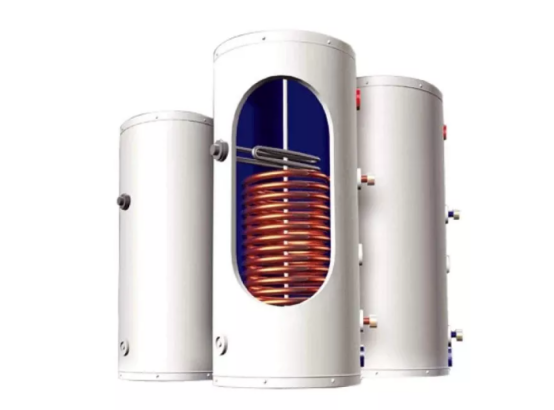
Electric systems are common because they are simple and reliable. However, electric hot water cylinder heating time is often slower than gas-assisted heating. A typical residential electric cylinder may take around 1 to 2 hours to heat a full tank from cold.
The exact time depends on the cylinder capacity and element wattage. A small cylinder with a strong immersion heater may recover faster. A large cylinder with a lower-powered element will need more time.
If you are asking how long to heat a hot water cylinder after heavy use, focus on recovery time, not full heat-up time. The cylinder may still contain some warm water, so it may not need to restart from fully cold.
Gas-assisted cylinders usually heat faster because gas burners can deliver strong heat output. In many setups, a gas system may reheat stored water in about 30 to 60 minutes, depending on tank size and burner capacity.
This makes gas-assisted water heating useful for larger households or buildings where hot water demand comes in peaks. If several people shower in a short period, faster heat recovery can reduce waiting time.
A heat pump system is designed for energy efficiency. It does not create heat in the same way as a direct electric element. Instead, it moves heat from the surrounding air into the water.
Because of this, heat pump hot water cylinders can take several hours to heat a full tank. Cold air, a large cylinder, or a high target temperature can make it slower. Many systems use a backup immersion heater for faster recovery when demand is high.
Solar water tank heat up time is less predictable. On a sunny day, solar collectors may raise the tank temperature over several hours. On cloudy days, the system may need help from an electric or gas booster.
A solar water tank works best when it is sized around daily demand and local sunlight levels. It is not always the fastest system, but it can reduce energy use when sunlight is strong.
Once the cylinder runs out, cold water enters the tank and lowers the stored temperature. The system then starts heat recovery. This hot water cylinder recovery time may be shorter than a full cold start if some hot water remains.
For example, if a family empties most of the tank during morning showers, they may need to wait 30 minutes to 2 hours, depending on the heating system.
Full heat-up time means heating the whole cylinder from cold to the set temperature. Recovery time means reheating after part of the hot water has been used.
This difference matters. A new installation, a power cut, or a switched-off cylinder may require full heat-up. Normal daily use usually needs recovery only.
If the cylinder used to heat quickly but now takes much longer, something may be wrong. Common causes include sediment, a faulty immersion heater, a poor thermostat setting, or an aging cylinder.
System Type | Typical Heat-Up Time | Main Factor |
Electric hot water cylinder | 1–2 hours or more | Element power and tank size |
Gas-assisted cylinder | 30–60 minutes | Burner output |
Heat pump cylinder | Several hours | Air temperature and system capacity |
Solar water tank | Varies by sunlight | Solar gain and backup heater |
Cylinder size has a direct effect on heating time. More water takes longer to heat. A 300-liter cylinder will need more energy and time than a 150-liter cylinder.
However, a larger cylinder also stores more hot water. This means fewer cold-water surprises during peak demand. The right size is not always the fastest size. It is the size which fits actual usage.
Heating power controls how quickly energy enters the water. An immersion heater with higher wattage can heat faster than a low-powered one. A stronger gas burner can also improve recovery speed.
For heat pumps, capacity and system design matter. A small heat pump paired to a large cylinder may run for many hours. If fast recovery matters, backup heating may be needed.
Cold inlet water changes heating time. In winter, incoming water may be much colder. The cylinder must raise it through a larger temperature range. That means longer heating time and higher energy use.
This is why users often notice slower recovery in cold months, even when the system is not broken.
The hot water cylinder thermostat setting also affects heating time. A higher target temperature means the system must work longer. A very low setting may save energy but may not provide enough usable hot water.
The cylinder thermostat should be set according to comfort, safety, and local guidance. In commercial settings, stored water temperature may also relate to hygiene requirements.
A small household may rarely empty the cylinder. In that case, the system only needs short recovery cycles. A large household can use stored hot water faster than the cylinder can replace it.
This is why the same hot water cylinder may feel adequate for two people but too slow for five people.
Showers are one of the biggest hot water uses. Back-to-back showers can drain stored hot water quickly. Once the tank temperature drops, users may feel warm water turn lukewarm.
If this happens often, the problem may not be the heating speed alone. It may be a mismatch between cylinder capacity and peak demand.
When showers, dishwashers, and laundry run together, demand can exceed stored supply. The hot water cylinder then needs more time to recover.
Scheduling heavy hot water use at different times can help. It is a simple way to improve comfort without changing equipment.
First-hour capacity shows how much hot water a system can supply during a busy hour. It combines stored water and heat recovery.
For B2B sites, this figure is often more useful than cylinder size alone. A large tank with slow recovery may still fail during peak demand.
A solar water tank uses solar energy collected during daylight hours. The heated water is stored in the tank for later use.
Because solar heating depends on the sun, the tank may heat gradually across the day instead of recovering quickly at night. This makes planning more important.
Sunlight level is the main variable. Strong sun can heat water more effectively. Cloud cover, shading, short winter days, and poor collector angle can slow the process.
For this reason, solar water tank heat up time should not be judged by one fixed number. It changes by season and location.
Most solar hot water systems use a backup electric or gas booster. It helps when sunlight is weak or demand is high.
The booster reduces the risk of running out of hot water. It also makes the system more reliable for commercial or multi-user buildings.
A solar water tank may need longer recovery after several cloudy days, heavy evening use, or poor solar gain. If the backup heater is undersized, users may experience slow recovery.
If your hot water cylinder is not heating quickly, sediment may be the reason. Minerals in the water can settle at the bottom of the tank. Over time, they create a barrier between the heat source and the water.
This makes heat transfer slower. It can also increase energy use and shorten the life of the system.
In electric cylinders, the immersion heater is a key component. If one element fails or becomes weak, heating time can increase sharply.
Immersion heater heating time also depends on wattage and condition. A worn element may still heat, but it may do so slowly.
Gas systems can also suffer from weak output due to burner issues or poor gas supply. Heat pump systems may slow down if the compressor or airflow is poor.
A cylinder thermostat controls when the system starts and stops heating. If it is set too low, the water may never feel hot enough. If it fails, the system may stop heating too early or run at the wrong time.
Checking the hot water cylinder thermostat setting is often one of the first troubleshooting steps.
Sometimes the cylinder is not faulty. It is just too small for the building’s demand. If users regularly empty the tank, the system will always seem slow.
This issue is common when family size grows, usage patterns change, or a building adds more bathrooms or fixtures.
Tip: If recovery time is normal but hot water still runs out often, the real issue may be capacity, not equipment failure.
A balanced thermostat setting helps the system work efficiently. Too high can waste energy and extend heating time. Too low can reduce comfort and usable hot water.
The right setting should match safety guidance, water use, and building requirements.
Flushing can help remove mineral deposits from the tank. This improves heat transfer and may shorten recovery time.
For hard-water areas or commercial sites, planned maintenance is important. It helps avoid sudden performance drops.
Insulation helps the tank hold heat for longer. Pipe insulation also reduces heat loss between the cylinder and outlets.
This does not always make the water heat faster from cold, but it can reduce how often the system needs to reheat.
One of the easiest ways to improve daily performance is to spread out hot water use. Avoid running showers, laundry, and dishwashing at the same time if the cylinder is small.
This gives the system more time for heat recovery and reduces cold-water interruptions.
Tip: In B2B facilities, usage scheduling can reduce energy peaks and improve user comfort without immediate equipment upgrades.
If the system is fairly new and only heats slowly during peak use, maintenance may help. Flushing the tank, checking the thermostat, or replacing an immersion heater may restore normal performance.
A technician can test whether the issue is simple or more serious.
Rusty water, leaks, rumbling sounds, repeated cold water, and much longer heating time can suggest deeper problems.
If the cylinder is old, repairs may only offer short-term relief. At some point, replacement becomes more cost-effective.
A larger hot water cylinder may help when demand has increased. This can apply to growing families, rental units, hotels, dormitories, and worker accommodation.
However, size should match usage. Oversizing can increase standby heat loss and energy cost.
A solar water tank, heat pump system, or hybrid setup may be suitable when energy savings matter. The best option depends on climate, budget, installation space, and demand pattern.
A hot water cylinder may heat in 30 minutes or several hours.
The time depends on system type, tank size, heating power, and daily water use.
Slow heating may mean sediment, worn parts, poor thermostat control, or an undersized system.
For better performance, check insulation, maintenance, recovery time, and future demand.
Changzhou Raven New Energy Technology Co.,Ltd. supports efficient solar water heating solutions for reliable hot water.
A: Usually 30 minutes to several hours, depending on size, heat source, thermostat setting, and water use.
A: Tank volume, immersion heater power, inlet temperature, insulation, and cylinder thermostat condition affect heat recovery.
A: Sediment, weak elements, poor thermostat control, or an undersized hot water cylinder may slow water heating.
A: Yes. Electric systems often take longer than gas-assisted systems, especially with large tanks.
A: Flush sediment, insulate pipes, check the thermostat, and avoid using all stored hot water at once.
A: A solar water tank depends on sunlight, collector efficiency, tank size, and backup heating support.


