


| Quantity: | |
|---|---|


24L
Solaraven
8419901000
Replaceable bladder expansion tank is widely used in the split pressurized solar water heating systems.
expansion tank capacity: 5L, 8L, 12L, 18L, 24L, 50L, 100L
working pressure: 10bar/ 16bar
working temperature: -10℃~99℃
pressure gauge optional
replaceable bladder expansion tank has advantages than membrane expansion tank
1. water no contact the outer shell, no rust problems
2. replaceable bladder good for maintenance
3. flange connection can withstand high torque, no leakage problem
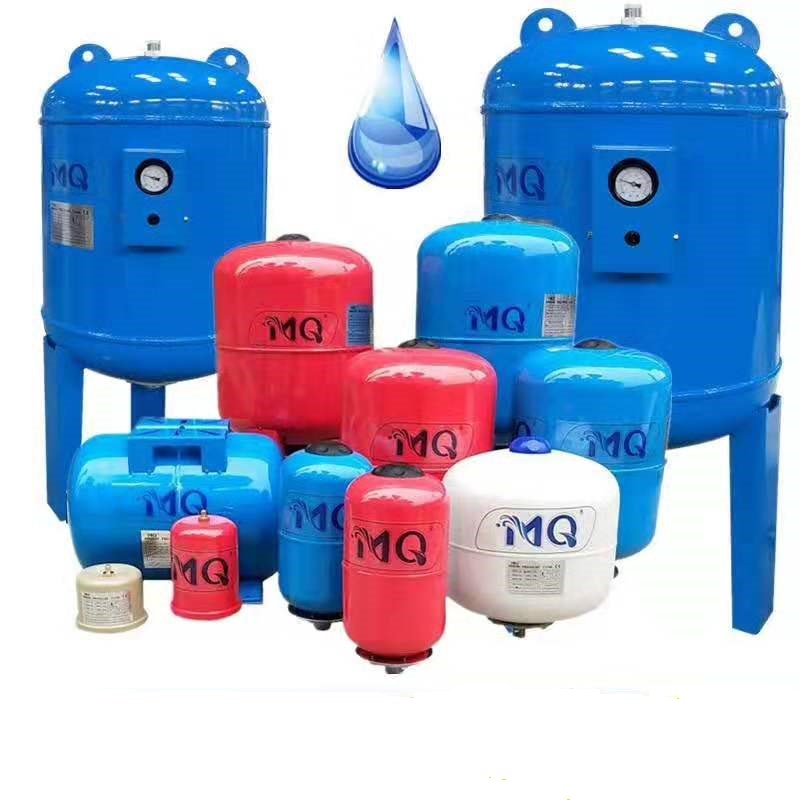
The bladder-type expansion tank contains an integral bladder. During operation, water only enters the bladder and does not contact the outer shell. The connection is made using flanges. This structure avoids rusting problems caused by welding. The bladder of this type of expansion tank is replaceable. Similarly, because of the flange connection, the interface can withstand high torque, preventing breakage during installation. Therefore, most expansion tanks now use the bladder-type structure.
The bladder-type expansion tank is a closed tank; water enters and exits within the bladder, and the entire system is a closed loop, isolated from the external environment. It is used in systems to buffer pressure fluctuations and provide partial water supply.
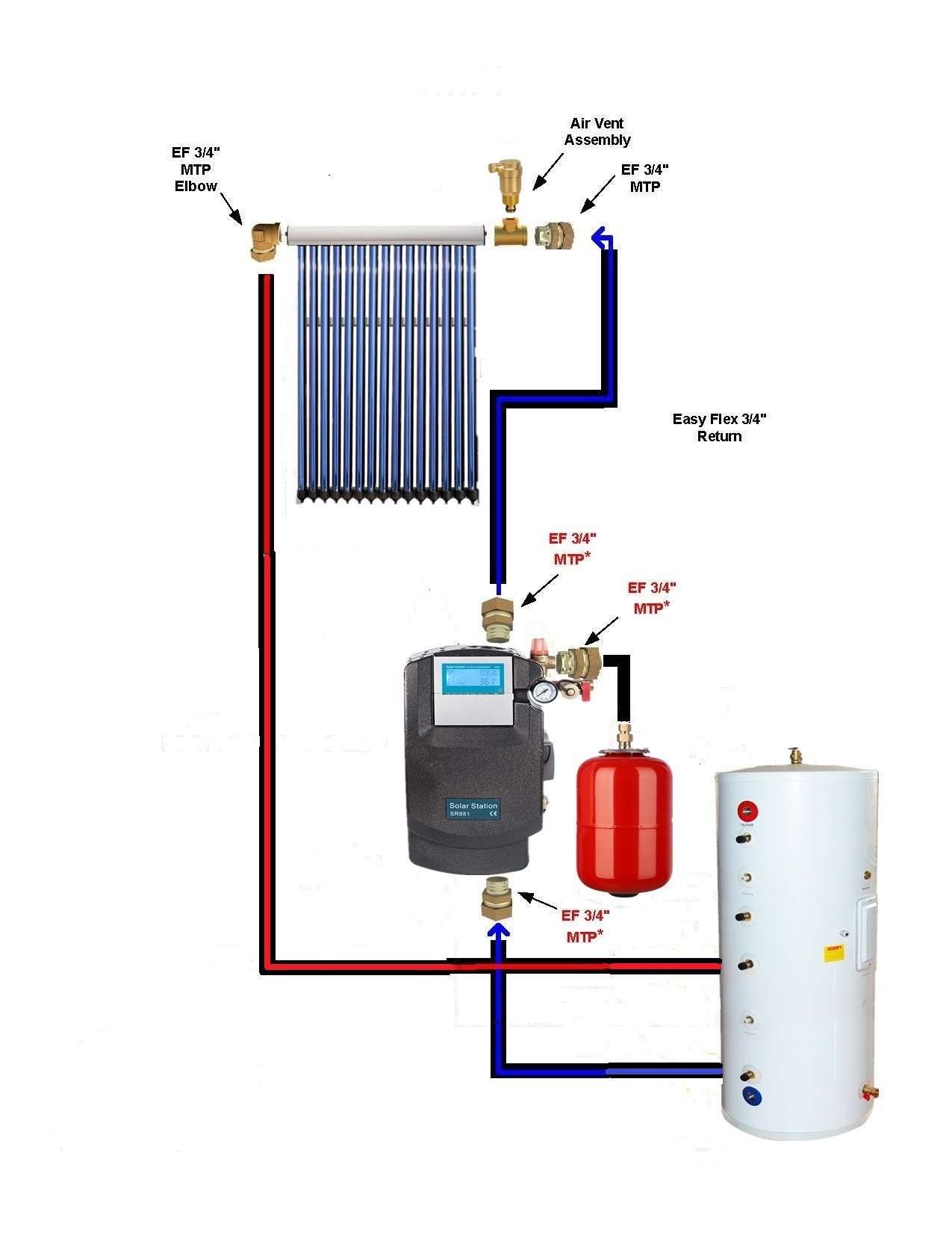
In thermal systems, it mainly absorbs the volume increase of the working medium due to temperature changes; in water supply systems, it mainly absorbs water hammer caused by the opening and closing of valves and pumps, and provides small amounts of water for nighttime replenishment to allow the main pump of the water supply system to idle, thereby reducing electricity consumption and extending the pump's service life.
When pressurized water enters the expansion tank's spherical chamber, the nitrogen gas sealed inside is compressed. According to Boyle's gas law, the volume of a compressed gas decreases, and its pressure increases. Water intake stops when the gas pressure inside the expansion tank equals the water pressure. When water leaks out and the pressure decreases, the gas pressure inside the expansion tank becomes greater than the water pressure. At this point, the gas expands, forcing water out of the spherical chamber and replenishing the system. Drainage stops when the gas pressure again equals the water pressure.
Replaceable bladder expansion tank is widely used in the split pressurized solar water heating systems.
expansion tank capacity: 5L, 8L, 12L, 18L, 24L, 50L, 100L
working pressure: 10bar/ 16bar
working temperature: -10℃~99℃
pressure gauge optional
replaceable bladder expansion tank has advantages than membrane expansion tank
1. water no contact the outer shell, no rust problems
2. replaceable bladder good for maintenance
3. flange connection can withstand high torque, no leakage problem
The bladder-type expansion tank contains an integral bladder. During operation, water only enters the bladder and does not contact the outer shell. The connection is made using flanges. This structure avoids rusting problems caused by welding. The bladder of this type of expansion tank is replaceable. Similarly, because of the flange connection, the interface can withstand high torque, preventing breakage during installation. Therefore, most expansion tanks now use the bladder-type structure.
The bladder-type expansion tank is a closed tank; water enters and exits within the bladder, and the entire system is a closed loop, isolated from the external environment. It is used in systems to buffer pressure fluctuations and provide partial water supply.
In thermal systems, it mainly absorbs the volume increase of the working medium due to temperature changes; in water supply systems, it mainly absorbs water hammer caused by the opening and closing of valves and pumps, and provides small amounts of water for nighttime replenishment to allow the main pump of the water supply system to idle, thereby reducing electricity consumption and extending the pump's service life.
When pressurized water enters the expansion tank's spherical chamber, the nitrogen gas sealed inside is compressed. According to Boyle's gas law, the volume of a compressed gas decreases, and its pressure increases. Water intake stops when the gas pressure inside the expansion tank equals the water pressure. When water leaks out and the pressure decreases, the gas pressure inside the expansion tank becomes greater than the water pressure. At this point, the gas expands, forcing water out of the spherical chamber and replenishing the system. Drainage stops when the gas pressure again equals the water pressure.


